
Japanese Manners Decoded
A deep dive into Japanese etiquette — the unspoken rules, the mindset behind them, and the aha moments when foreigners finally understand why Japanese do what they do.
Episodes (8)
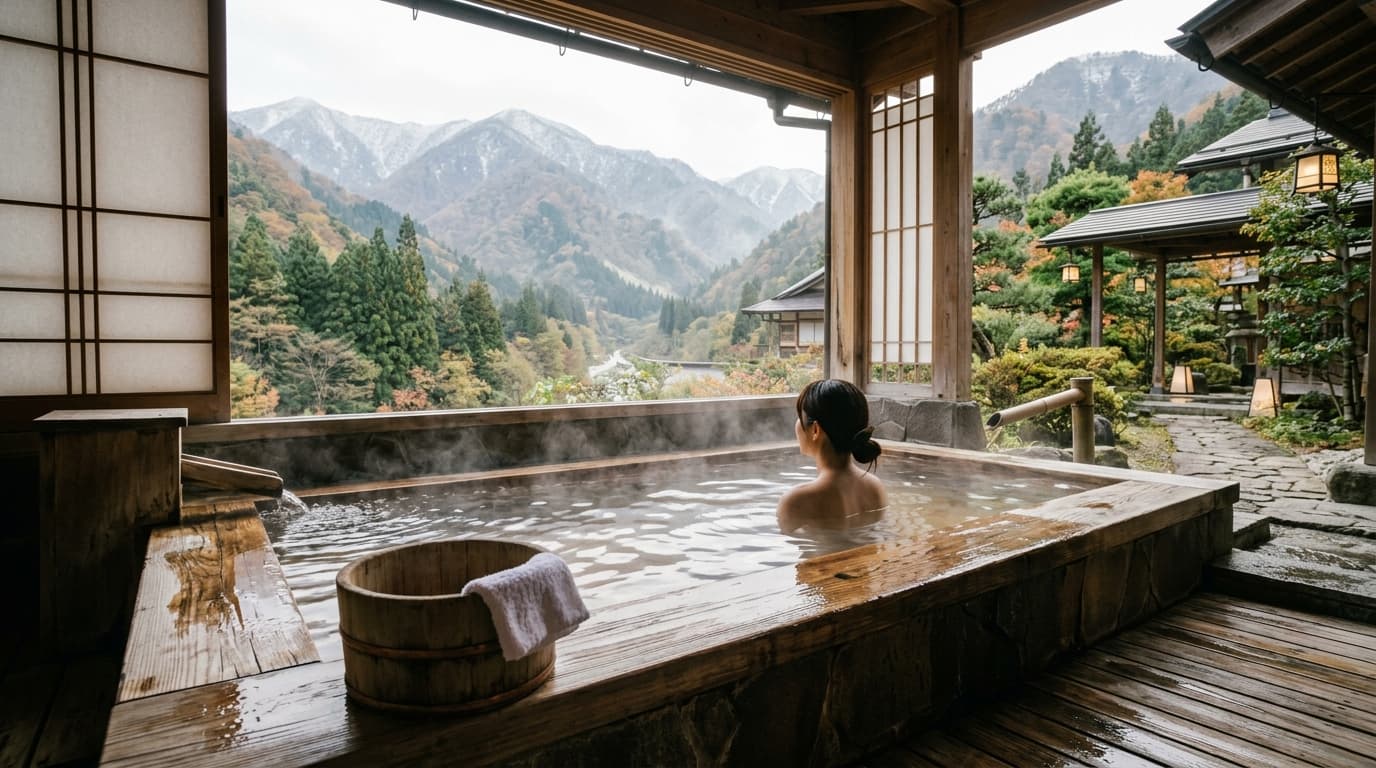
Japanese bathing culture has strict etiquette. Discover why you must wash before entering the bath and other essential onsen rules.
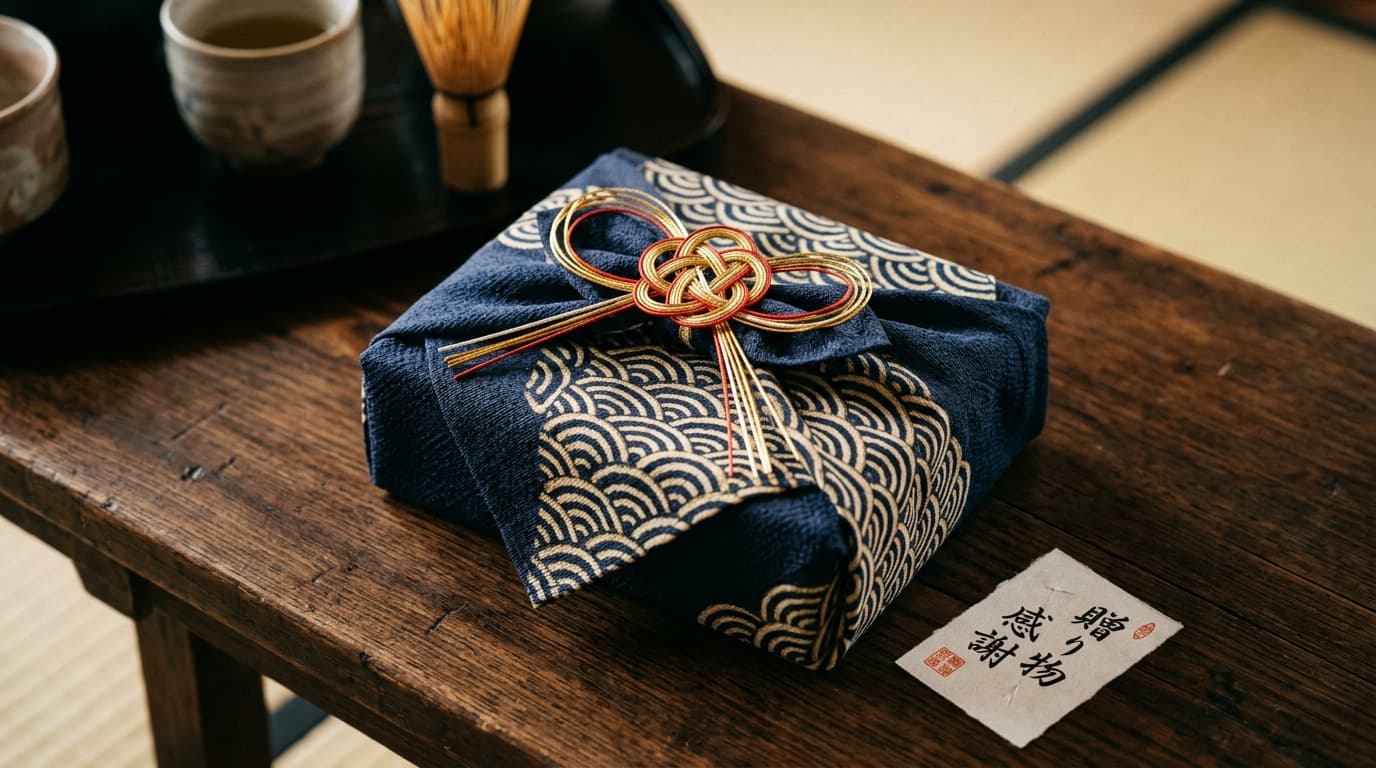
Japanese gift-giving is a complex art form. Learn why presentation, timing, and the refusal ritual matter more than the gift itself.
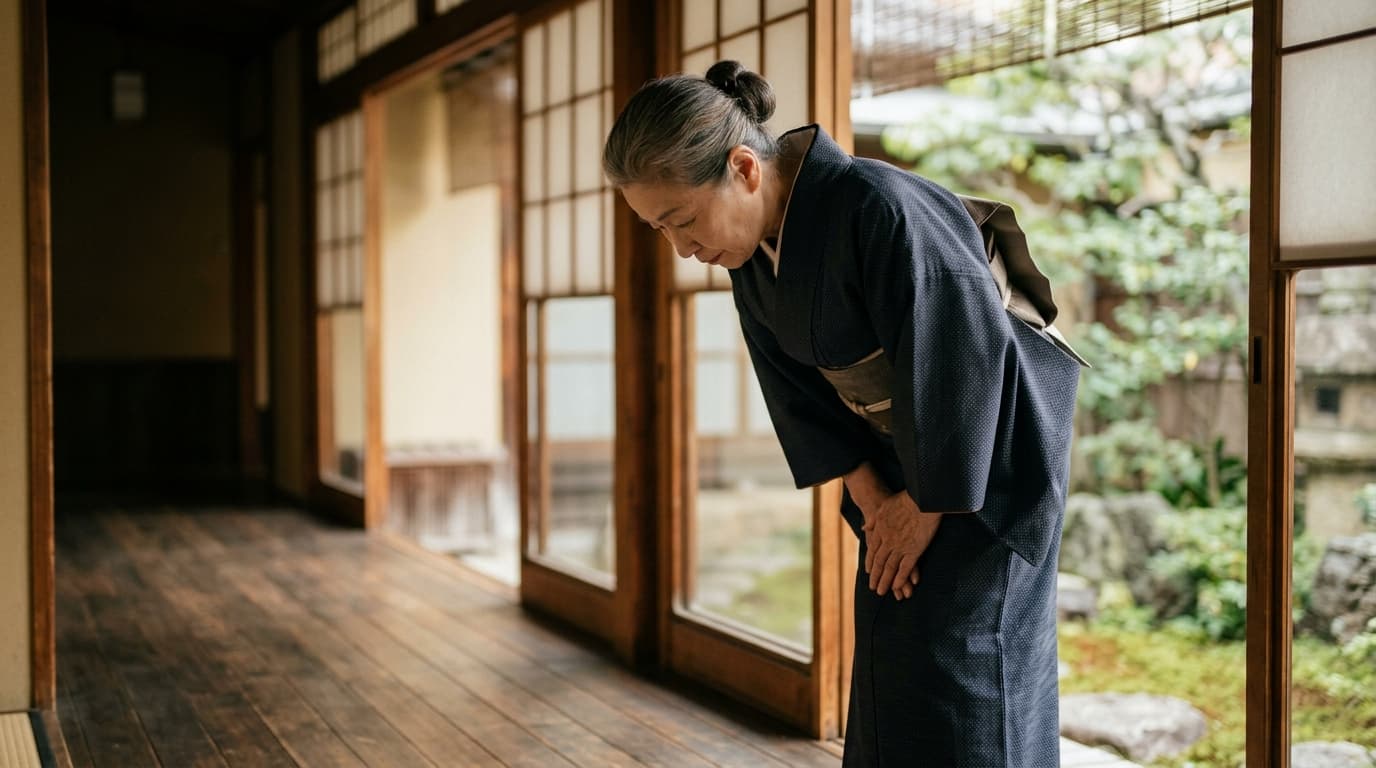
Sumimasen means both sorry and thank you. Explore the Japanese philosophy of apology and its deep roots in social harmony.
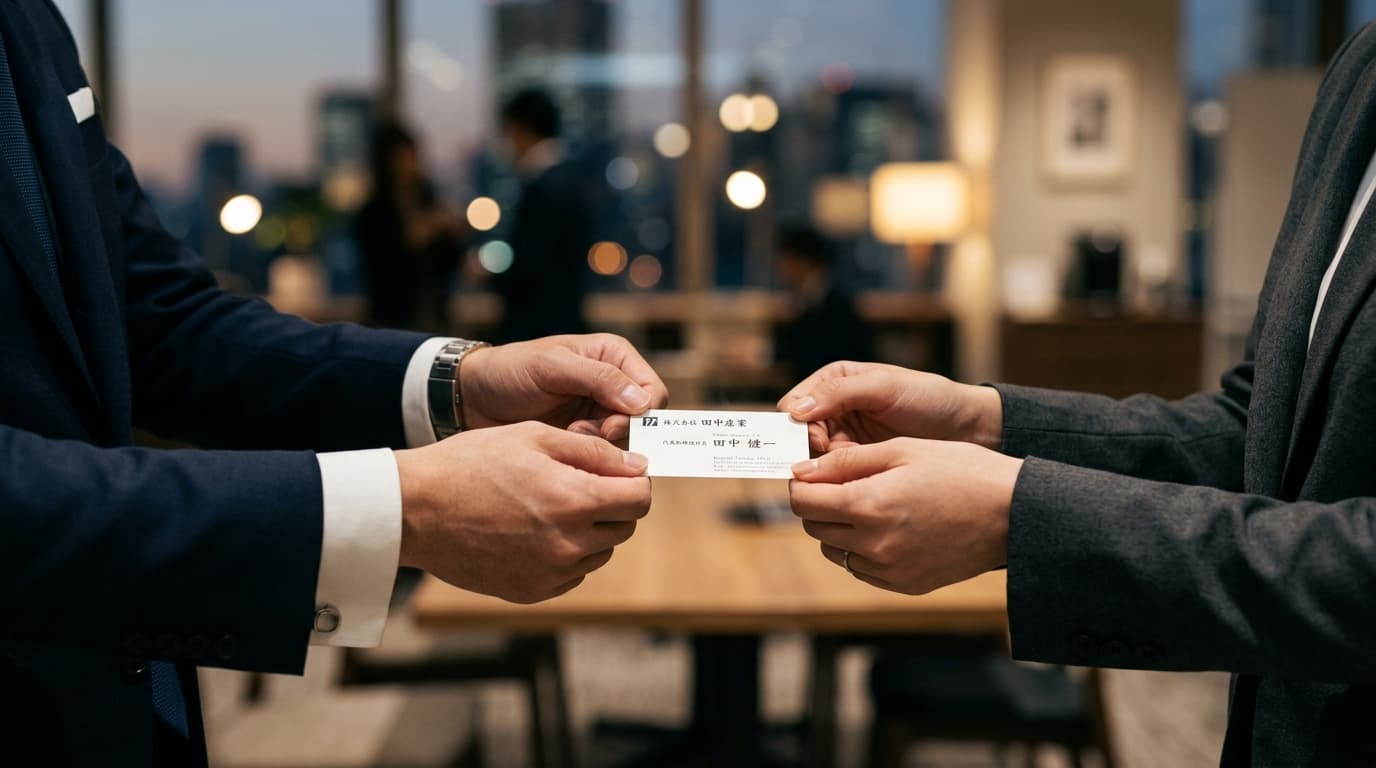
The Japanese business card exchange (meishi koukan) is a sacred ritual. Learn the proper way to give, receive, and treat a meishi.
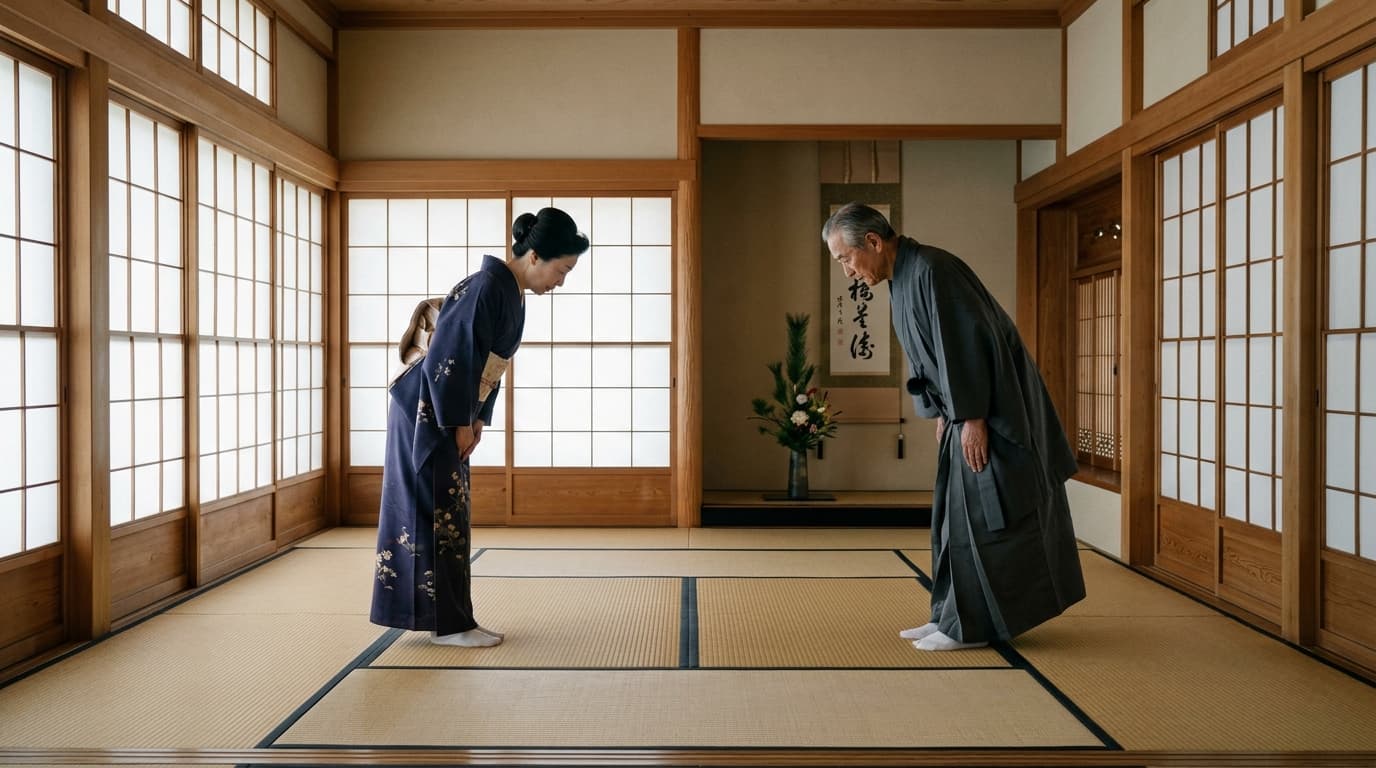
Why do Japanese people bow? Discover the hidden philosophy behind 15, 30, and 45 degree bows.
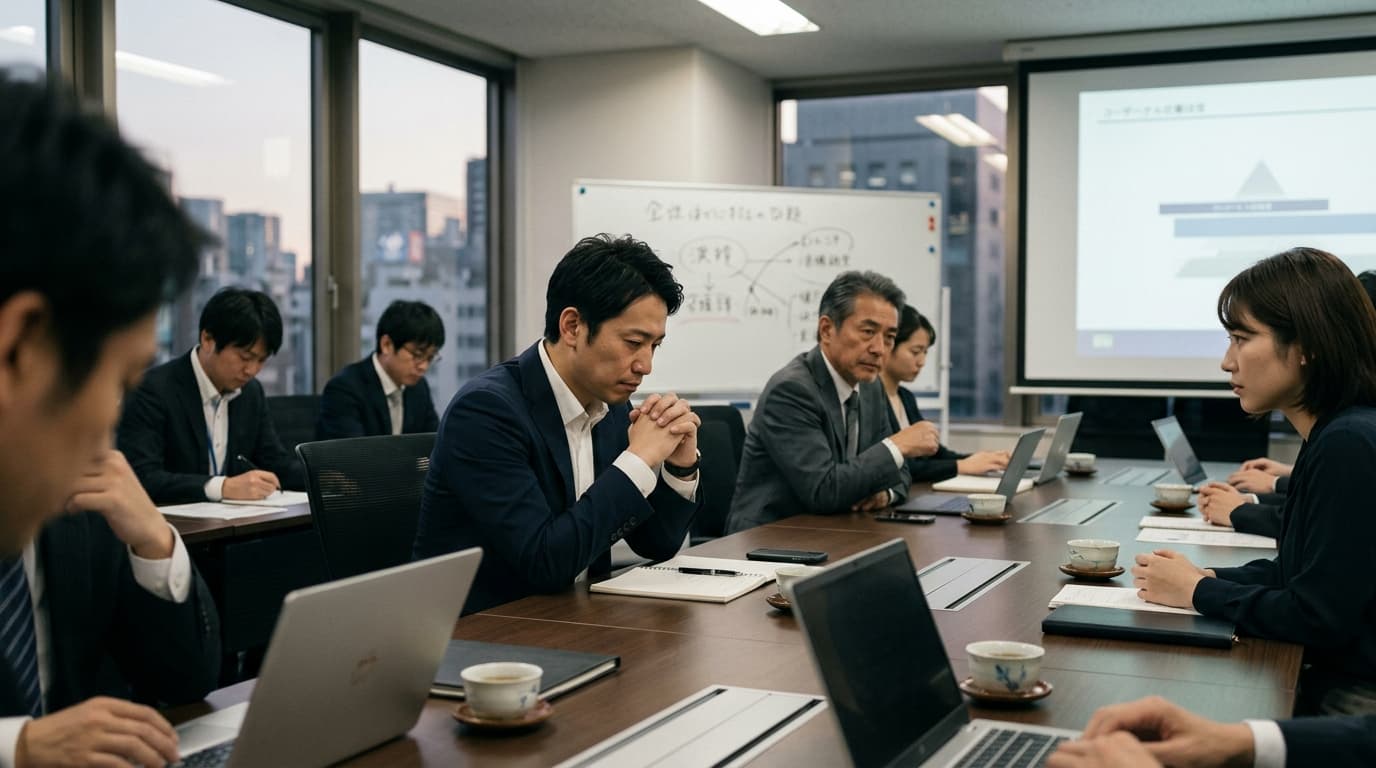
Kuuki wo yomu: the Japanese art of reading the atmosphere. How unspoken communication shapes every interaction.
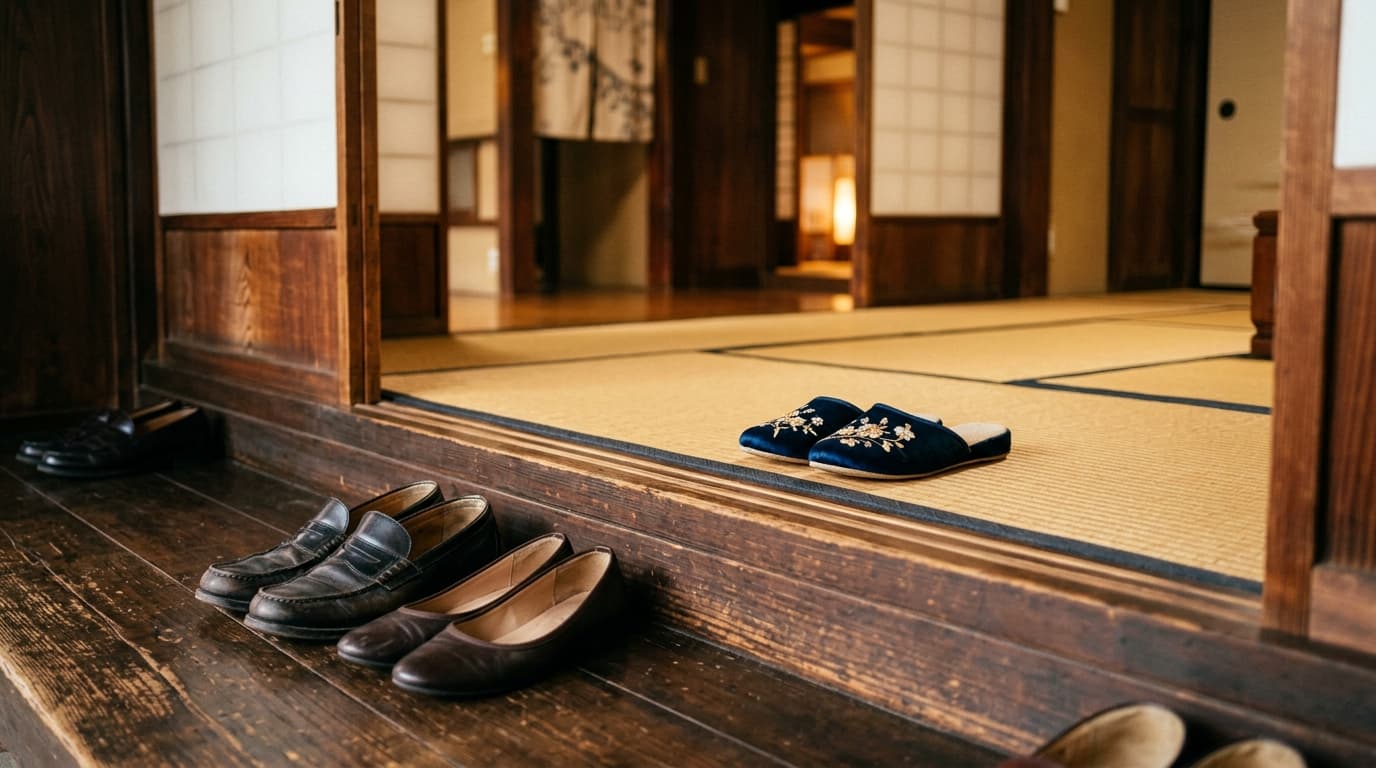
The Japanese custom of removing shoes is more than hygiene. Learn about the sacred boundary between outside and inside.
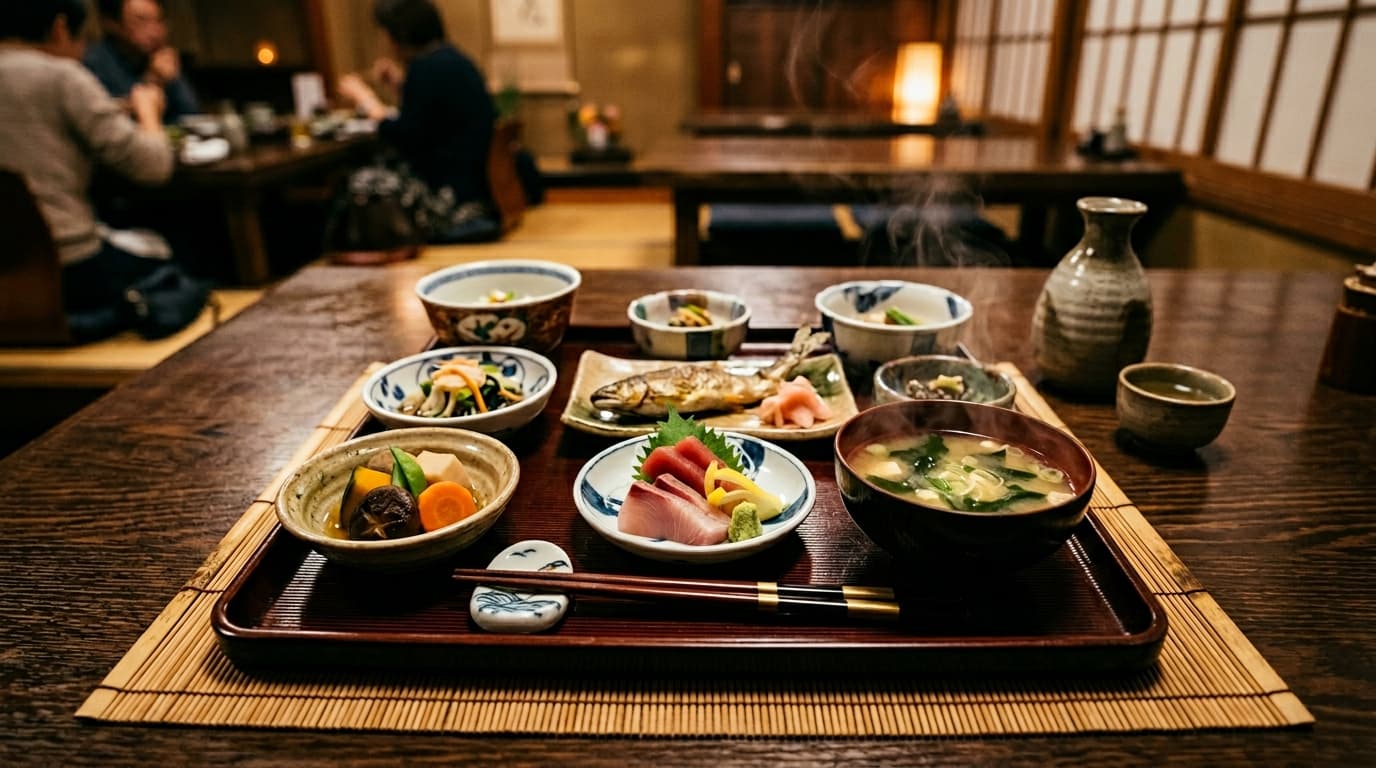
From standing chopsticks in rice to passing food chopstick-to-chopstick, discover the taboos that shock Japanese hosts.
Episode transcripts
The full conversation of each episode, as text. The voices are AI-generated.
Sorry Not Sorry — Why Japanese Apologize Instead of Saying Thank You
Read the transcript
Welcome to J-Times! I'm Akira. Today on Japanese Manners Decoded — 'Sorry Not Sorry: Why Japanese Apologize Instead of Saying Thank You.' Kyoko here. This is one of the quirks of Japanese culture that really puzzles people from other countries. Kenzo here. The Japanese tendency to apologize in situations where others would say 'thank you' reveals a fascinating difference in how cultures express consideration. Here's a classic example. Someone holds the door for you. In English, you'd say 'thank you.' In Japanese, you might say 'sumimasen' — which literally means 'I'm sorry.' You're apologizing for the trouble of holding the door. 'Sumimasen' is used far more frequently than 'arigatou' in daily life. It covers sorry, excuse me, and thank you. The underlying feeling is 'I've caused you inconvenience and I'm aware of it.' It's really about empathy. Instead of focusing on your gratitude, you're acknowledging the other person's effort or trouble. It puts their experience first, not yours. When receiving a gift, Japanese people often say 'sumimasen' before 'arigatou.' The nuance is: 'I'm sorry you went through the trouble of getting me something.' It's gratitude expressed through humility. This connects to the broader Japanese value of not wanting to be a burden — 'meiwaku wo kakenai.' Being considerate means being acutely aware of how your actions affect others. There's also 'osore irimasu,' used in formal settings. It literally means 'I am filled with fear' but functions as an extremely polite 'I'm sorry to trouble you' or 'thank you for your kindness.' For foreigners, this can create confusion. You help a Japanese colleague and they apologize. You might think 'did I do something wrong?' But no — they're expressing deep gratitude in the Japanese way. The psychology behind this is what researchers call 'high-context communication.' In Japan, the emotional subtext matters more than the literal words. 'Sumimasen' carries warmth that the English 'sorry' doesn't. It's actually quite beautiful when you think about it. Every expression of gratitude comes with an acknowledgment that someone else made an effort for you. It keeps you humble and aware. In business, this manifests as the constant use of polite apology phrases in emails and meetings. 'Osore irimasu ga...' before making a request. It lubricates social interactions beautifully. Some argue this excessive apologizing reflects a problematic avoidance of assertiveness. But I'd argue it reflects a society that prioritizes collective harmony and mutual consideration. For visitors: when a Japanese person says 'sumimasen' to you, receive it as the gift it is — a sincere expression of awareness and appreciation for your existence in their world. Thanks for listening to J-Times! Sumimasen for taking your time, and catch those Matsuri Coins. See you next time!
Bathing Etiquette — The Philosophy of Getting Clean Before Getting In
Read the transcript
Welcome to J-Times! I'm Akira. Today on Japanese Manners Decoded — 'Bathing Etiquette: The Philosophy of Getting Clean Before Getting In.' Kyoko here. Japanese bathing culture is something truly special. Onsen and sento are about so much more than just getting clean. Kenzo here. The Japanese bath is a cultural institution with strict etiquette. Understanding these rules will transform your experience. The number one rule: wash your body thoroughly before entering the bath. The communal bath water is for soaking, relaxing, and warming up — not for cleaning. This is non-negotiable. At the washing station, sit on the small stool, use the shower or bucket to wet yourself, soap up completely, and rinse thoroughly. Only then do you enter the shared bath. Your small towel should never touch the bath water. Most Japanese people fold it and place it on top of their head while soaking. It's become an iconic image of Japanese bathing. Tattoos are still a sensitive topic at many onsen and sento. While attitudes are slowly changing, many traditional facilities still prohibit visible tattoos. Check before you go. The concept of 'hadaka no tsukiai' — 'naked friendship' — is central to Japanese bathing culture. When everyone is stripped of clothes and status symbols, genuine connections can form. Business deals have been made in onsen, political alliances formed. There's something about shared vulnerability that builds trust faster than any boardroom meeting. Different types of baths serve different purposes. 'Rotenburo' — outdoor baths — are especially popular for the experience of soaking while enjoying nature. Mountain onsen in autumn with fall colors are magical. The water temperature varies but is typically between 40 and 43 degrees Celsius. Start with a cooler bath if you're not used to it. And don't stay too long — 15 to 20 minutes is usually plenty. After bathing, don't drain the water if you're in a private bath at a ryokan. The next person will use it. And in communal baths, always leave the washing station clean for the next person. The spiritual dimension is important too. Shinto purification rituals involve water, and the Japanese bath carries echoes of this sacred cleansing. It's about purifying body and mind. For first-timers visiting an onsen: don't be nervous. Japanese people are welcoming and understanding. Follow the basic rules — wash first, keep towels out of water — and you'll be fine. The post-bath ritual is equally important. Cool down gradually, hydrate well, and enjoy the deeply relaxed state called 'yu-agari.' Many ryokan serve tea or cold milk in the resting area. Japanese bathing is meditation, social bonding, and physical therapy rolled into one. Once you experience it properly, a regular shower will never feel quite the same. Thanks for listening to J-Times! Soak up the culture and catch those Matsuri Coins. See you next time!
Business Card Rituals — Why Japanese Treat Cards Like Souls
Read the transcript
Welcome to J-Times! I'm Akira. Today on Japanese Manners Decoded — 'Business Card Rituals: Why Japanese Treat Cards Like Souls.' Kyoko here. The meishi koukan — business card exchange — is one of the most important rituals in Japanese business culture. Kenzo here. In Japan, your business card is an extension of yourself. How you handle it speaks volumes about your professionalism and respect. The exchange follows precise choreography. Present your card with both hands, name facing the recipient. Bow slightly. When receiving, accept with both hands, read it carefully, and comment respectfully on their title or company. Never write on someone's business card in front of them. Never shove it in your pocket. Never stack it under other cards carelessly. Each of these is a serious breach of etiquette. During a meeting, place the cards you've received on the table in front of you, arranged to match the seating order. The most senior person's card goes on your card holder. The underlying philosophy is 'respect for identity.' Your business card represents your company, your role, your years of effort to reach that position. Treating it carelessly is like disrespecting the person. Japanese business cards are typically understated and elegant. White or cream with minimal design. The information layout follows a hierarchy: company name first, then department, then name. Having bilingual cards — Japanese on one side, English on the other — is essential for international business. Make sure the Japanese side is culturally appropriate in design and terminology. Even in the digital age, physical business cards remain essential in Japan. Digital card exchanges exist but haven't replaced the physical ritual. The tangible connection matters. For foreign businesspeople visiting Japan: invest in quality business cards, practice the exchange beforehand, and always bring more than you think you'll need. Running out of cards is embarrassing. Store received cards in a proper card holder — never in a wallet where they might get bent. After the meeting, make notes on the back as a memory aid, but never in front of the person. The business card ritual sets the tone for the entire relationship. Get it right, and you've made a strong first impression. It shows you understand and respect Japanese business culture. In essence, the meishi koukan is a microcosm of Japanese values: attention to detail, respect for hierarchy, mindfulness in every action, and the belief that small rituals carry profound meaning. Thanks for listening to J-Times! Exchange respect and catch those Matsuri Coins. See you next time!
The Gift-Giving Code — Why Wrapping Matters More Than What's Inside
Read the transcript
Welcome to J-Times! I'm Akira. Today on Japanese Manners Decoded — 'The Gift-Giving Code: Why Wrapping Matters More Than What's Inside.' Kyoko here. Gift-giving in Japan is an art form with rules that can make or break a relationship. So important to get right. Kenzo here. Japanese gift-giving culture — 'okurimono' — is deeply codified. The wrapping, timing, amount, and presentation all carry meaning. The wrapping is paramount. In Japan, presentation isn't just decoration — it's communication. Beautiful wrapping shows you've put thought and effort into the gift. Some say the wrapping IS the gift. 'Furoshiki' — traditional wrapping cloths — are making a comeback. They're eco-friendly, reusable, and the art of wrapping with fabric is itself a gift of skill and consideration. There are specific occasions for gift-giving. 'Ochugen' in summer and 'oseibo' in winter are the two major seasons. These are gifts of gratitude to people who've helped you throughout the year. When visiting someone's home, always bring a 'temiyage' — a hand gift. Regional specialties, quality sweets, or seasonal items are ideal choices. The value should be appropriate to the relationship. Here's an important rule: gifts are typically not opened in front of the giver. This avoids any embarrassment if the recipient doesn't like it. You open it later and express thanks next time you meet. Numbers matter too. Avoid giving things in sets of four — 'shi' sounds like the word for death. Sets of two, three, five, or eight are preferred. For weddings, odd numbers except for three. When presenting a gift, the ritual phrase is 'tsumaranai mono desu ga' — 'this is a trivial thing, but...' This extreme humility actually elevates the gift by showing your modesty. The concept of 'okaeshi' — return gift — is equally important. When you receive a gift, you're expected to give something back, typically worth about half to a third of the original gift's value. This creates a beautiful cycle of reciprocity. Gift-giving isn't transactional — it's about maintaining and strengthening social bonds over time through mutual consideration. For business gifts, brand matters. Department store wrapping — especially from Mitsukoshi or Isetan — adds prestige. The 'noshi' paper decoration on formal gifts indicates the occasion. Some things to avoid as gifts: anything too personal unless you're close friends, anything with the number four, white flowers associated with funerals, and anything that implies the recipient can't afford it. What I love about Japanese gift-giving is that it's really about mindfulness. Thinking about what the person would enjoy, choosing carefully, wrapping beautifully — the whole process is an act of love. Exactly. In a world of instant delivery and gift cards, the Japanese art of gift-giving reminds us that how we give matters as much as what we give. Thanks for listening to J-Times! Wrap up the culture and catch those Matsuri Coins. See you next time!
Reading the Air — Japan's Invisible Language
Read the transcript
Welcome to J-Times! I'm your host Akira. Today on Japanese Manners Decoded, we're exploring 'Reading the Air' — Japan's invisible language. Hi everyone, Kyoko here. Kuuki wo yomu — this is one of the most fascinating and misunderstood aspects of Japanese culture. Kenzo here. Reading the air means sensing the atmosphere and understanding unspoken feelings. It's not just a social skill in Japan — it's almost a survival skill. So what exactly does 'reading the air' mean in practice? It's the ability to understand what people really mean without them saying it directly. In Japan, silence and context carry as much meaning as words. For example, when a Japanese person says 'that would be difficult,' they usually mean 'no.' When they say 'I'll think about it,' it often means 'probably not.' The literal words are just the surface. This can be really confusing for foreigners. In Western culture, direct communication is valued. But in Japan, being too direct can be seen as rude or inconsiderate. The concept is deeply rooted in Japanese history. In a densely populated island nation, social harmony — or 'wa' — was essential for survival. People developed sophisticated non-verbal communication to avoid conflict. In business settings, reading the air is crucial. During meetings, a junior employee might sense that their boss isn't comfortable with a proposal, even if nothing is said explicitly. They'll adjust accordingly. It goes beyond just saying no politely. It's about sensing the mood of a room, knowing when to speak and when to stay silent, understanding group dynamics in real-time. There's even a negative term — 'KY' or 'kuuki yomenai' — meaning someone who can't read the air. Being called KY in Japan is a serious social criticism. That's interesting because in some cultures being blunt and straightforward is considered a positive trait. But in Japan, social awareness and empathy are valued much more highly. It also shows up in daily life. At restaurants, good waiters anticipate what you need before you ask. On trains, people naturally adjust their behavior to match the quiet atmosphere. For foreign visitors and business people, here's the practical advice: pay attention to pauses, facial expressions, and body language. If something feels vague, it's probably intentional. Ask indirect follow-up questions rather than pushing for a direct answer. And don't take it personally. It's not about being evasive — it's about showing respect for everyone's feelings in the room. It's actually a very empathetic form of communication. In the age of global business, there's actually a growing appreciation for this Japanese communication style. Emotional intelligence and reading between the lines are becoming valued skills worldwide. Exactly. While pure directness has its place, the ability to sense unspoken needs and respond with sensitivity is a superpower in negotiations, leadership, and relationship building. So next time you're in Japan, try to tune into the invisible signals around you. You might be surprised how much is being communicated without a single word being spoken. Thanks for listening to J-Times! Don't forget to catch your Matsuri Coins. See you next time!
Chopstick Crimes — The Unwritten Rules of Japanese Dining
Read the transcript
Welcome to J-Times! I'm Akira. Today on Japanese Manners Decoded, we're talking about 'Chopstick Crimes' — the unwritten rules of Japanese dining. Kyoko here. This is a topic that every visitor to Japan needs to know about. Some chopstick mistakes can really shock Japanese people. Kenzo here. Japanese dining etiquette around chopsticks — or 'hashi' — has deep cultural and even spiritual significance. Let's explore the major taboos. The biggest one is 'tate-bashi' — standing your chopsticks upright in a bowl of rice. This resembles incense sticks at a funeral altar and is strongly associated with death. Never do this. Another major taboo is 'utsushi-bashi' — passing food from one pair of chopsticks to another. This mirrors a funeral ritual where bones are passed between chopsticks after cremation. I've seen foreign visitors do both of these innocently, and the entire table goes silent. It's not that Japanese people will scold you, but they'll definitely be uncomfortable. There's also 'sashi-bashi' — pointing at people with chopsticks. And 'mayoi-bashi' — hovering your chopsticks over dishes while deciding what to eat. Both are considered rude. 'Yose-bashi' is another one — using your chopsticks to pull a dish closer to you. Always use your hands to move dishes. And 'neburi-bashi' — licking your chopsticks — is also a no-go. The interesting thing is that many Japanese people can't even explain why these are taboo. They just know instinctively that it feels wrong. It's deeply embedded in the culture. When you're not using your chopsticks, place them on the chopstick rest — 'hashioki.' If there isn't one, you can use the chopstick wrapper folded into a rest. Never lay them across the top of your bowl. For shared dishes, use the opposite end of your chopsticks — called 'sakasa-bashi' or use separate serving chopsticks. Though opinions on sakasa-bashi vary, it shows consideration. There are also some positive etiquette points. Saying 'itadakimasu' before eating and 'gochisousama' after. These expressions show gratitude for the food and everyone who prepared it. When eating noodles, slurping is not only acceptable but encouraged. It shows you're enjoying the food and actually helps cool the noodles. This surprises many Western visitors. The underlying philosophy is respect — for the food, for the people you're eating with, and for the cultural traditions. Japanese dining etiquette is ultimately about mindfulness and gratitude. If you make a mistake, don't worry too much. Japanese people understand that foreigners may not know all the rules. A sincere effort to be respectful goes a long way. My advice to visitors: learn the two funeral-related taboos — standing chopsticks and passing food — as these are the most serious. The rest will come naturally as you observe Japanese diners around you. Mastering chopstick etiquette opens a door to deeper cultural understanding. It's not about rules — it's about the Japanese spirit of caring for others through small, mindful actions. Thanks for listening to J-Times! Practice your chopstick skills and catch those Matsuri Coins. See you next time!
The Sacred Threshold — Why Shoes Stay at the Door
Read the transcript
Welcome to J-Times! I'm Akira. Today on Japanese Manners Decoded, we explore 'The Sacred Threshold' — why shoes stay at the door in Japan. Kyoko here. This is such a fundamental part of Japanese life that we barely think about it, but the meaning behind it is really deep. Kenzo here. The practice of removing shoes at the entrance is one of the most visible markers of Japanese culture. But it's far more than a hygiene habit. In Japanese homes, the entrance area called 'genkan' serves as a boundary between the outside world and the private inner space. It's literally a sacred threshold separating two worlds. The concept goes back to Shinto beliefs about purity and impurity. The outside world carries 'kegare' — spiritual impurity. Removing shoes is a purification ritual, separating the clean inside from the unclean outside. That's why you'll notice the genkan is always slightly lower than the main floor. The step up into the house literally represents stepping into a cleaner, more sacred space. There are specific rules too. When you remove your shoes, you should turn them around so they face the door. This makes them easy to put on when leaving and shows consideration for your host. In many homes and traditional ryokan inns, there are also separate slippers for the bathroom — 'toilet slippers.' You must switch to these before entering the bathroom and never forget to switch back. Oh, the toilet slipper mistake is a classic one for foreign visitors. Walking back into the living room wearing toilet slippers is one of the most embarrassing things you can do. This practice extends beyond homes. Temples, shrines, many restaurants, schools, some offices, and traditional ryokan all require shoe removal. You'll often find rows of shoe lockers or shelves at the entrance. Schools are interesting — students change into indoor shoes called 'uwabaki' at the entrance. This teaches children from a young age about the boundary between inside and outside, and respect for shared spaces. It's also connected to the practical reality of Japanese living. With tatami floors and futons laid directly on the ground, cleanliness isn't just aesthetic — it's essential for daily life. The cultural significance goes even deeper. In Japanese martial arts, the dojo floor is considered sacred. Stepping onto it with shoes would be a profound disrespect to the practice and all who train there. For visitors to Japan, the key tip is simple: whenever you see shoes lined up at an entrance, take yours off too. If you're unsure, just look at what others are doing and follow their lead. And wear clean, presentable socks! Nothing is more embarrassing than taking off your shoes to reveal mismatched or holey socks. Many Japanese people specifically choose nice socks for this reason. This small act of removing shoes contains a beautiful philosophy: respect for boundaries, mindfulness of transitions between spaces, and care for the people who share your living space. It's one of those Japanese customs that, once you understand it, makes so much sense. The idea of leaving the outside world at the door and entering a clean, peaceful space is really appealing. Many people around the world are actually adopting this practice now, especially since the pandemic made us more conscious about what we bring into our homes from outside. Japan was ahead of its time on this one. What started as a spiritual practice thousands of years ago turns out to be a genuinely healthier way to live. The wisdom of tradition. Thanks for listening to J-Times! Step carefully and catch those Matsuri Coins. See you next time!
The Art of Bowing — Why 15 Degrees Changes Everything
Read the transcript
Welcome to J-Times! I'm Akira. Today on Japanese Manners Decoded, we dive into 'The Art of Bowing' — why 15 degrees changes everything. Kyoko here. Bowing is the first thing foreigners notice about Japan. But most don't realize there's an entire science behind it. Kenzo here. The bow, or 'ojigi,' is one of Japan's most important non-verbal communication tools. The angle, duration, and context all carry specific meanings. There are three main types. The 'eshaku' at about 15 degrees — a casual greeting for passing acquaintances. The 'keirei' at 30 degrees — the standard business bow. And the 'saikeirei' at 45 degrees — the deepest bow for apologies or showing utmost respect. In business, the person of lower status bows deeper and longer. When exchanging business cards, you'll see people trying to bow lower than each other — it's almost like a polite competition. I've seen some hilarious situations where two people keep bowing lower and lower, neither wanting to be the first to stop. It's actually quite endearing. The bow conveys so much without words: respect, gratitude, apology, greeting. A deep bow from a company president during a scandal carries more weight than any press release. For foreigners visiting Japan, a slight head nod or a 15-degree bow is perfectly acceptable. Japanese people don't expect perfect form from visitors — the effort itself is appreciated. One important thing: you don't shake hands and bow at the same time. If someone extends their hand, shake it. If they bow, bow back. Don't try to do both simultaneously. In retail and service industries, employees practice their bows to perfection. Department store greeters bow at exactly the right angle, held for exactly the right duration. It's a trained art. Even on the phone, Japanese people bow! You can't see it, but they do it instinctively. It shows how deeply embedded the bow is in the cultural psyche. The bow also has a spiritual dimension. In shrines and temples, the bow is part of worship. Two bows, two claps, one bow — that's the standard prayer ritual at Shinto shrines. What I love about bowing is that it's a moment of mutual respect. Both people acknowledge each other. There's something beautiful about that compared to just saying 'hey.' In martial arts, the bow before and after practice or a match is essential. It represents respect for your opponent, your teacher, and the art itself. Without the bow, there is no martial art. As Japan becomes more international, the bow is evolving too. Many young Japanese people now combine a slight bow with a wave or handshake. The form changes, but the spirit of respect remains. So remember: when in Japan, a sincere bow — even an imperfect one — shows that you respect and appreciate Japanese culture. That's what matters most. Thanks for listening to J-Times! Bow with respect and catch those Matsuri Coins. See you next time!