The Japanese business card exchange (meishi koukan) is a sacred ritual. Learn the proper way to give, receive, and treat a meishi.
Transcript
The full conversation of each episode, as text. The voices are AI-generated.
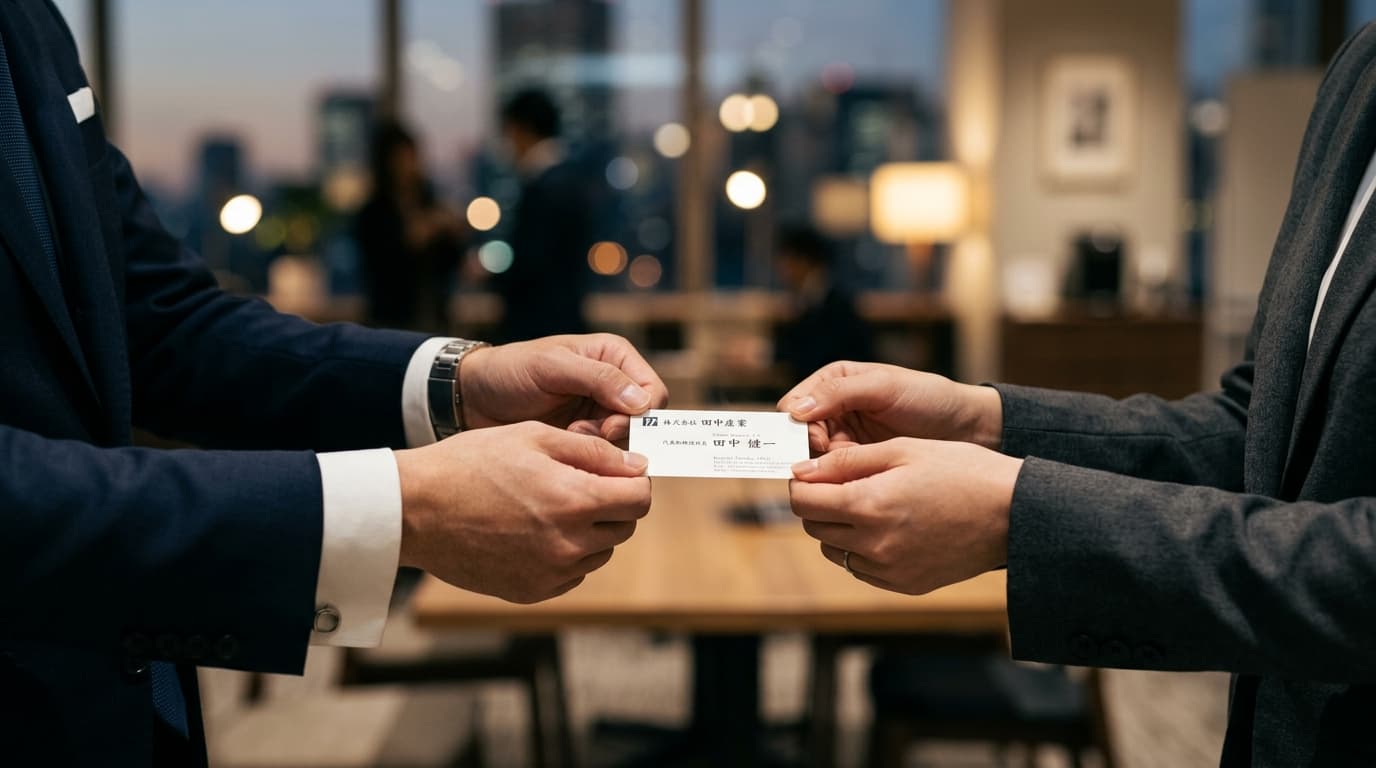
Welcome to J-Times! I'm Akira. Today on Japanese Manners Decoded — 'Business Card Rituals: Why Japanese Treat Cards Like Souls.' Kyoko here. The meishi koukan — business card exchange — is one of the most important rituals in Japanese business culture. Kenzo here. In Japan, your business card is an extension of yourself. How you handle it speaks volumes about your professionalism and respect. The exchange follows precise choreography. Present your card with both hands, name facing the recipient. Bow slightly. When receiving, accept with both hands, read it carefully, and comment respectfully on their title or company. Never write on someone's business card in front of them. Never shove it in your pocket. Never stack it under other cards carelessly. Each of these is a serious breach of etiquette. During a meeting, place the cards you've received on the table in front of you, arranged to match the seating order. The most senior person's card goes on your card holder. The underlying philosophy is 'respect for identity.' Your business card represents your company, your role, your years of effort to reach that position. Treating it carelessly is like disrespecting the person. Japanese business cards are typically understated and elegant. White or cream with minimal design. The information layout follows a hierarchy: company name first, then department, then name. Having bilingual cards — Japanese on one side, English on the other — is essential for international business. Make sure the Japanese side is culturally appropriate in design and terminology. Even in the digital age, physical business cards remain essential in Japan. Digital card exchanges exist but haven't replaced the physical ritual. The tangible connection matters. For foreign businesspeople visiting Japan: invest in quality business cards, practice the exchange beforehand, and always bring more than you think you'll need. Running out of cards is embarrassing. Store received cards in a proper card holder — never in a wallet where they might get bent. After the meeting, make notes on the back as a memory aid, but never in front of the person. The business card ritual sets the tone for the entire relationship. Get it right, and you've made a strong first impression. It shows you understand and respect Japanese business culture. In essence, the meishi koukan is a microcosm of Japanese values: attention to detail, respect for hierarchy, mindfulness in every action, and the belief that small rituals carry profound meaning. Thanks for listening to J-Times! Exchange respect and catch those Matsuri Coins. See you next time!