Kuuki wo yomu: the Japanese art of reading the atmosphere. How unspoken communication shapes every interaction.
Transcript
The full conversation of each episode, as text. The voices are AI-generated.
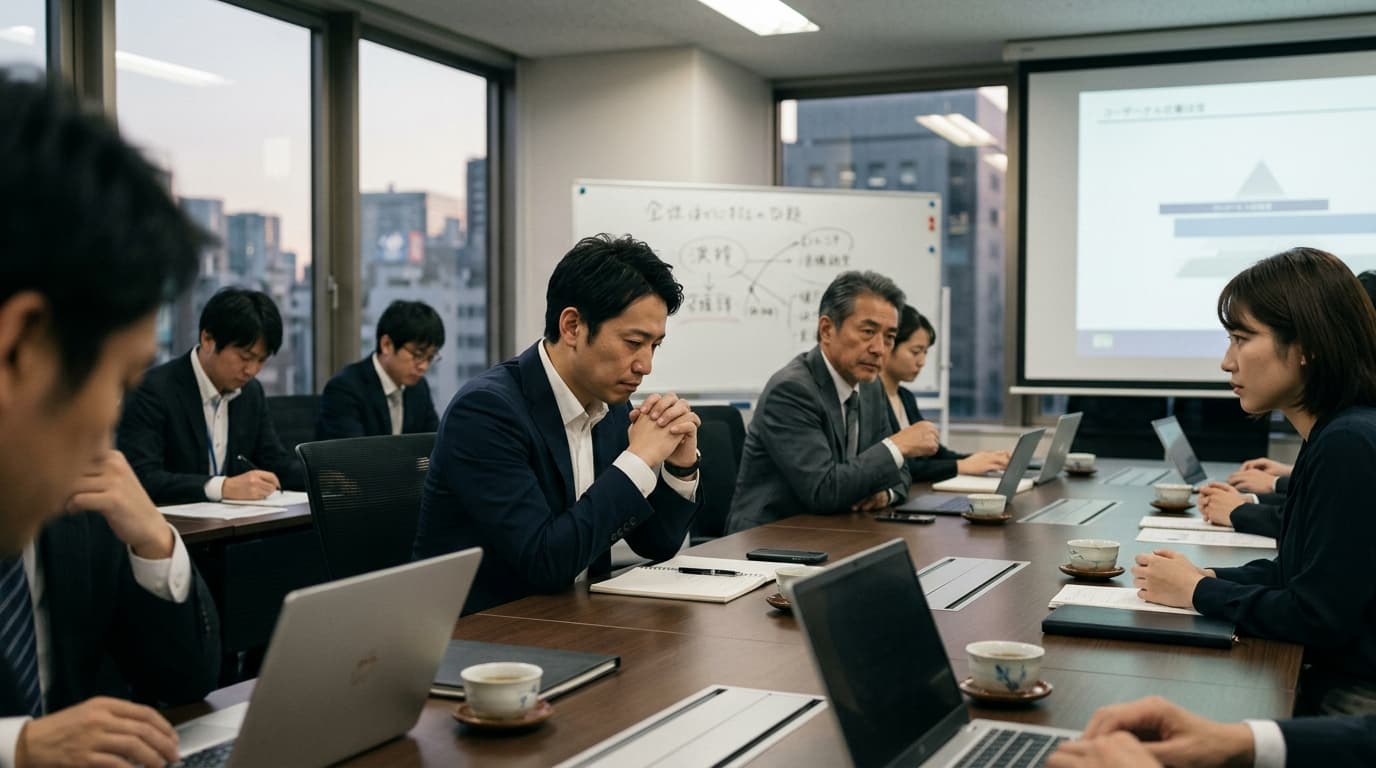
Welcome to J-Times! I'm your host Akira. Today on Japanese Manners Decoded, we're exploring 'Reading the Air' — Japan's invisible language. Hi everyone, Kyoko here. Kuuki wo yomu — this is one of the most fascinating and misunderstood aspects of Japanese culture. Kenzo here. Reading the air means sensing the atmosphere and understanding unspoken feelings. It's not just a social skill in Japan — it's almost a survival skill. So what exactly does 'reading the air' mean in practice? It's the ability to understand what people really mean without them saying it directly. In Japan, silence and context carry as much meaning as words. For example, when a Japanese person says 'that would be difficult,' they usually mean 'no.' When they say 'I'll think about it,' it often means 'probably not.' The literal words are just the surface. This can be really confusing for foreigners. In Western culture, direct communication is valued. But in Japan, being too direct can be seen as rude or inconsiderate. The concept is deeply rooted in Japanese history. In a densely populated island nation, social harmony — or 'wa' — was essential for survival. People developed sophisticated non-verbal communication to avoid conflict. In business settings, reading the air is crucial. During meetings, a junior employee might sense that their boss isn't comfortable with a proposal, even if nothing is said explicitly. They'll adjust accordingly. It goes beyond just saying no politely. It's about sensing the mood of a room, knowing when to speak and when to stay silent, understanding group dynamics in real-time. There's even a negative term — 'KY' or 'kuuki yomenai' — meaning someone who can't read the air. Being called KY in Japan is a serious social criticism. That's interesting because in some cultures being blunt and straightforward is considered a positive trait. But in Japan, social awareness and empathy are valued much more highly. It also shows up in daily life. At restaurants, good waiters anticipate what you need before you ask. On trains, people naturally adjust their behavior to match the quiet atmosphere. For foreign visitors and business people, here's the practical advice: pay attention to pauses, facial expressions, and body language. If something feels vague, it's probably intentional. Ask indirect follow-up questions rather than pushing for a direct answer. And don't take it personally. It's not about being evasive — it's about showing respect for everyone's feelings in the room. It's actually a very empathetic form of communication. In the age of global business, there's actually a growing appreciation for this Japanese communication style. Emotional intelligence and reading between the lines are becoming valued skills worldwide. Exactly. While pure directness has its place, the ability to sense unspoken needs and respond with sensitivity is a superpower in negotiations, leadership, and relationship building. So next time you're in Japan, try to tune into the invisible signals around you. You might be surprised how much is being communicated without a single word being spoken. Thanks for listening to J-Times! Don't forget to catch your Matsuri Coins. See you next time!