Japanese bathing culture has strict etiquette. Discover why you must wash before entering the bath and other essential onsen rules.
Transcript
The full conversation of each episode, as text. The voices are AI-generated.
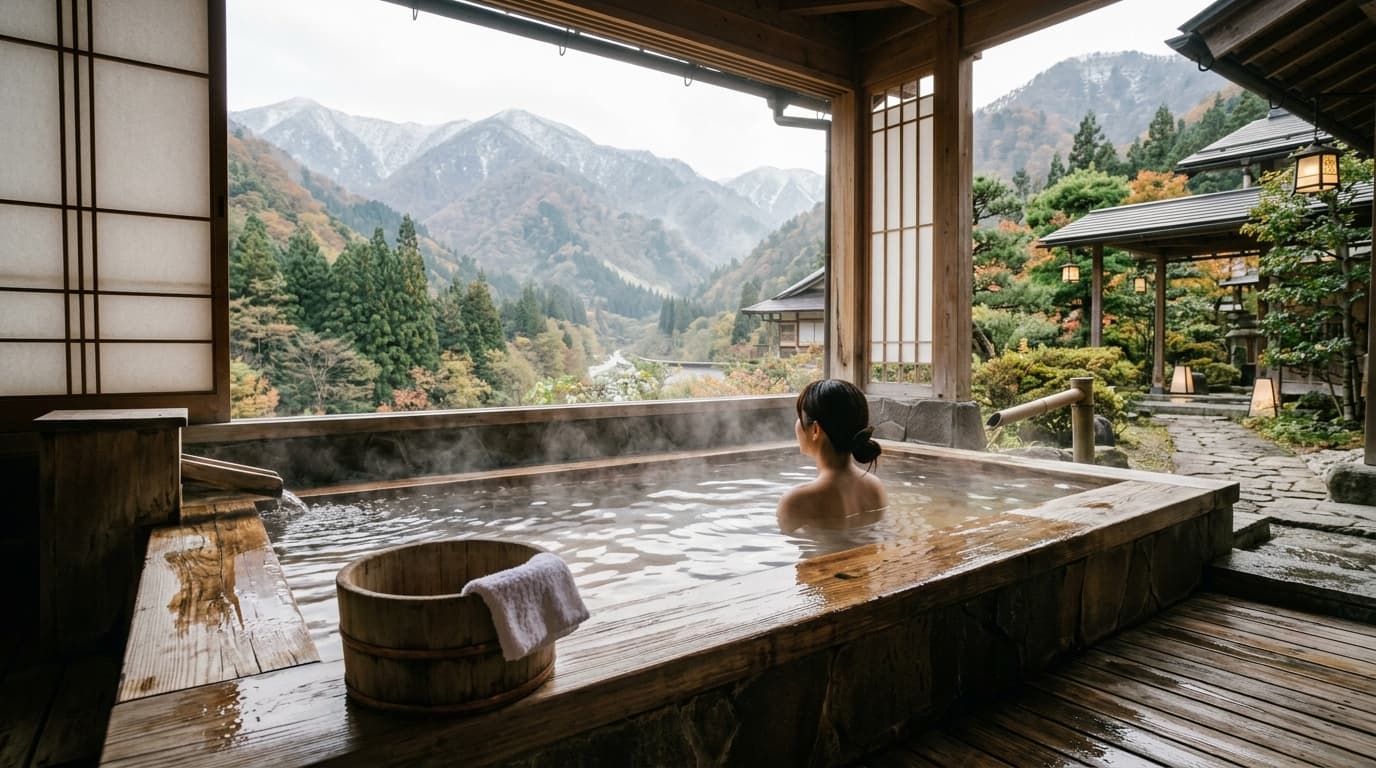
Welcome to J-Times! I'm Akira. Today on Japanese Manners Decoded — 'Bathing Etiquette: The Philosophy of Getting Clean Before Getting In.' Kyoko here. Japanese bathing culture is something truly special. Onsen and sento are about so much more than just getting clean. Kenzo here. The Japanese bath is a cultural institution with strict etiquette. Understanding these rules will transform your experience. The number one rule: wash your body thoroughly before entering the bath. The communal bath water is for soaking, relaxing, and warming up — not for cleaning. This is non-negotiable. At the washing station, sit on the small stool, use the shower or bucket to wet yourself, soap up completely, and rinse thoroughly. Only then do you enter the shared bath. Your small towel should never touch the bath water. Most Japanese people fold it and place it on top of their head while soaking. It's become an iconic image of Japanese bathing. Tattoos are still a sensitive topic at many onsen and sento. While attitudes are slowly changing, many traditional facilities still prohibit visible tattoos. Check before you go. The concept of 'hadaka no tsukiai' — 'naked friendship' — is central to Japanese bathing culture. When everyone is stripped of clothes and status symbols, genuine connections can form. Business deals have been made in onsen, political alliances formed. There's something about shared vulnerability that builds trust faster than any boardroom meeting. Different types of baths serve different purposes. 'Rotenburo' — outdoor baths — are especially popular for the experience of soaking while enjoying nature. Mountain onsen in autumn with fall colors are magical. The water temperature varies but is typically between 40 and 43 degrees Celsius. Start with a cooler bath if you're not used to it. And don't stay too long — 15 to 20 minutes is usually plenty. After bathing, don't drain the water if you're in a private bath at a ryokan. The next person will use it. And in communal baths, always leave the washing station clean for the next person. The spiritual dimension is important too. Shinto purification rituals involve water, and the Japanese bath carries echoes of this sacred cleansing. It's about purifying body and mind. For first-timers visiting an onsen: don't be nervous. Japanese people are welcoming and understanding. Follow the basic rules — wash first, keep towels out of water — and you'll be fine. The post-bath ritual is equally important. Cool down gradually, hydrate well, and enjoy the deeply relaxed state called 'yu-agari.' Many ryokan serve tea or cold milk in the resting area. Japanese bathing is meditation, social bonding, and physical therapy rolled into one. Once you experience it properly, a regular shower will never feel quite the same. Thanks for listening to J-Times! Soak up the culture and catch those Matsuri Coins. See you next time!