Japanese gift-giving is a complex art form. Learn why presentation, timing, and the refusal ritual matter more than the gift itself.
Transcript
The full conversation of each episode, as text. The voices are AI-generated.
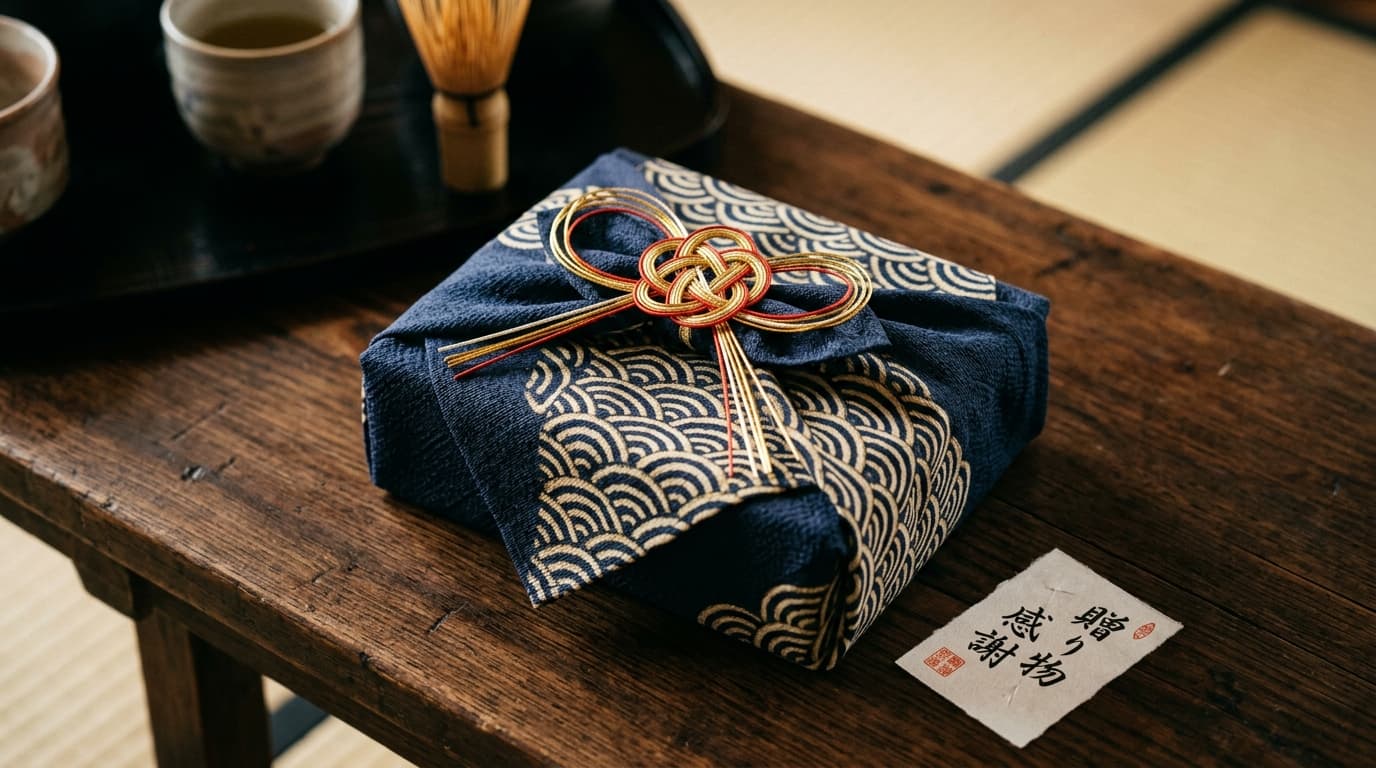
Welcome to J-Times! I'm Akira. Today on Japanese Manners Decoded — 'The Gift-Giving Code: Why Wrapping Matters More Than What's Inside.' Kyoko here. Gift-giving in Japan is an art form with rules that can make or break a relationship. So important to get right. Kenzo here. Japanese gift-giving culture — 'okurimono' — is deeply codified. The wrapping, timing, amount, and presentation all carry meaning. The wrapping is paramount. In Japan, presentation isn't just decoration — it's communication. Beautiful wrapping shows you've put thought and effort into the gift. Some say the wrapping IS the gift. 'Furoshiki' — traditional wrapping cloths — are making a comeback. They're eco-friendly, reusable, and the art of wrapping with fabric is itself a gift of skill and consideration. There are specific occasions for gift-giving. 'Ochugen' in summer and 'oseibo' in winter are the two major seasons. These are gifts of gratitude to people who've helped you throughout the year. When visiting someone's home, always bring a 'temiyage' — a hand gift. Regional specialties, quality sweets, or seasonal items are ideal choices. The value should be appropriate to the relationship. Here's an important rule: gifts are typically not opened in front of the giver. This avoids any embarrassment if the recipient doesn't like it. You open it later and express thanks next time you meet. Numbers matter too. Avoid giving things in sets of four — 'shi' sounds like the word for death. Sets of two, three, five, or eight are preferred. For weddings, odd numbers except for three. When presenting a gift, the ritual phrase is 'tsumaranai mono desu ga' — 'this is a trivial thing, but...' This extreme humility actually elevates the gift by showing your modesty. The concept of 'okaeshi' — return gift — is equally important. When you receive a gift, you're expected to give something back, typically worth about half to a third of the original gift's value. This creates a beautiful cycle of reciprocity. Gift-giving isn't transactional — it's about maintaining and strengthening social bonds over time through mutual consideration. For business gifts, brand matters. Department store wrapping — especially from Mitsukoshi or Isetan — adds prestige. The 'noshi' paper decoration on formal gifts indicates the occasion. Some things to avoid as gifts: anything too personal unless you're close friends, anything with the number four, white flowers associated with funerals, and anything that implies the recipient can't afford it. What I love about Japanese gift-giving is that it's really about mindfulness. Thinking about what the person would enjoy, choosing carefully, wrapping beautifully — the whole process is an act of love. Exactly. In a world of instant delivery and gift cards, the Japanese art of gift-giving reminds us that how we give matters as much as what we give. Thanks for listening to J-Times! Wrap up the culture and catch those Matsuri Coins. See you next time!