J-Times Editorial
J-Times 編集部 / J-Times Editorial Team
Tokyo language exchanges come as park picnics, café meetups, bar nights and online calls. How to pick a good one, stay safe in nightlife districts, and behave on the day (as of 2 Oct 2026).
Read this article to earn +5 MTC
How to join a language exchange in Tokyo
Short answer (as of 2026-10-02): Tokyo's language exchanges come in four main formats: park picnics, café meetups, bar or pub nights, and online calls. Choose one with a named host, a stated price, a group small enough to talk in, and a clear mix of languages. A free daytime picnic in a public park is the easiest first step.
Disclosure: J-Times and Matsuri are both operated by Jon&Coo Inc. Matsuri lists language-exchange meetups in Shinjuku, and this guide mentions them near the end. Everything we say about Matsuri was checked against its live site and public data on 2 October 2026.
A language exchange is a simple deal. You help someone with your language, and they help you with theirs. In Tokyo the pairing is usually Japanese and English, and the people in the circle tend to be a mix of travellers, international students, people who have just moved here for work, and Japanese residents who want to keep their English alive. This guide is for all of them. It covers where these meetups happen, how to spot a well-run one, and the few safety rules that matter at night.
What is a language exchange meetup?
A language exchange meetup is an informal gathering where people take turns speaking each other's languages. Native speakers of one language help learners of it, and the other way round.
Most Tokyo meetups have no lesson plan and no teacher. People sit in small circles, talk about ordinary things (work, food, the weekend, where they are from) and switch languages as they go. Some hosts split the time, for example half in Japanese and half in English. Others let each conversation find its own balance. Neither is wrong, but the listing should tell you which to expect.
People join for different reasons. Some are practising for a test or a job. Others are new to the city and want to meet people outside the office. Some just want company for an afternoon. A good meetup works for all of them because nobody is graded.
What kinds of language exchange can you join in Tokyo?
There are four common formats, plus a free public option run by Shinjuku City. Each suits a different kind of person and a different time of day.
| Format | Typical setting | Good for | Watch out for |
|---|---|---|---|
| Park picnic | A lawn in a public park, daytime or early evening | First-timers, people who want a relaxed and sober setting, families | Weather; each park has its own rules on sheets, fires and noise |
| Café meetup | A table or two in a chain or independent café | Weekday mornings or evenings, smaller groups, quieter talk | You usually buy your own drink; it can get loud if the group grows |
| Bar or pub night | A rented room or a bar, often with drinks included | People who like a party atmosphere | Legal drinking age is 20; the bill; nightlife-district safety (see below) |
| Online | Video call or app | People outside Tokyo, or anyone short of time | Harder to build a real circle of friends; protect your personal details |
| City-run plaza | Shinjuku Multicultural Plaza, Kabukicho | Residents who want free Japanese classes and local information | Not a party; it is a community facility with its own schedule |
Notice (checked 25 October 2026): Shinjuku Central Park has announced a full closure of its central lawn from Friday 30 October to Friday 13 November 2026 (park notice posted 6 October 2026). If a group plans a lawn picnic in that window, check the host's page for a changed meeting point. — https://shinjukuchuo-park.jp/
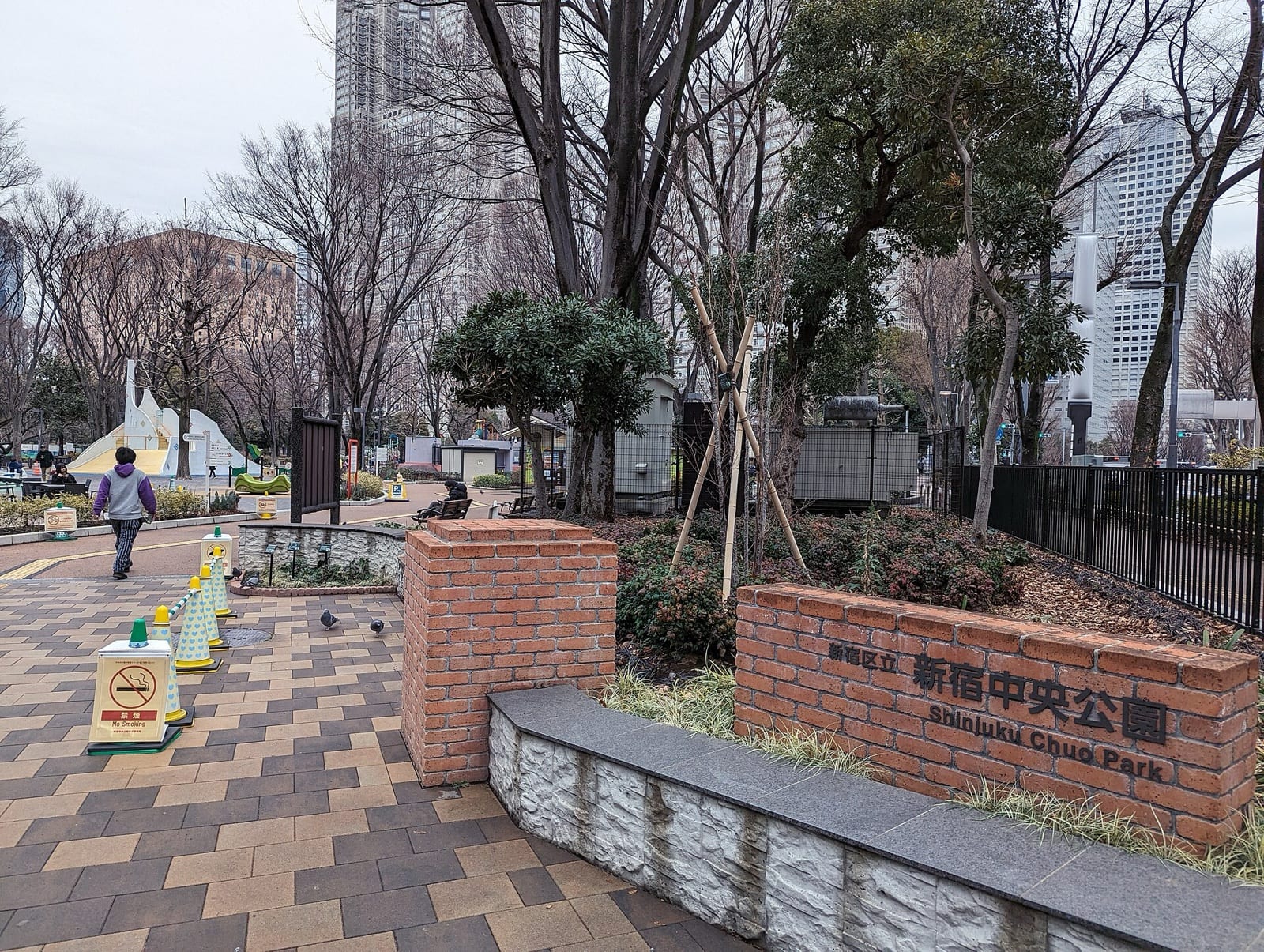
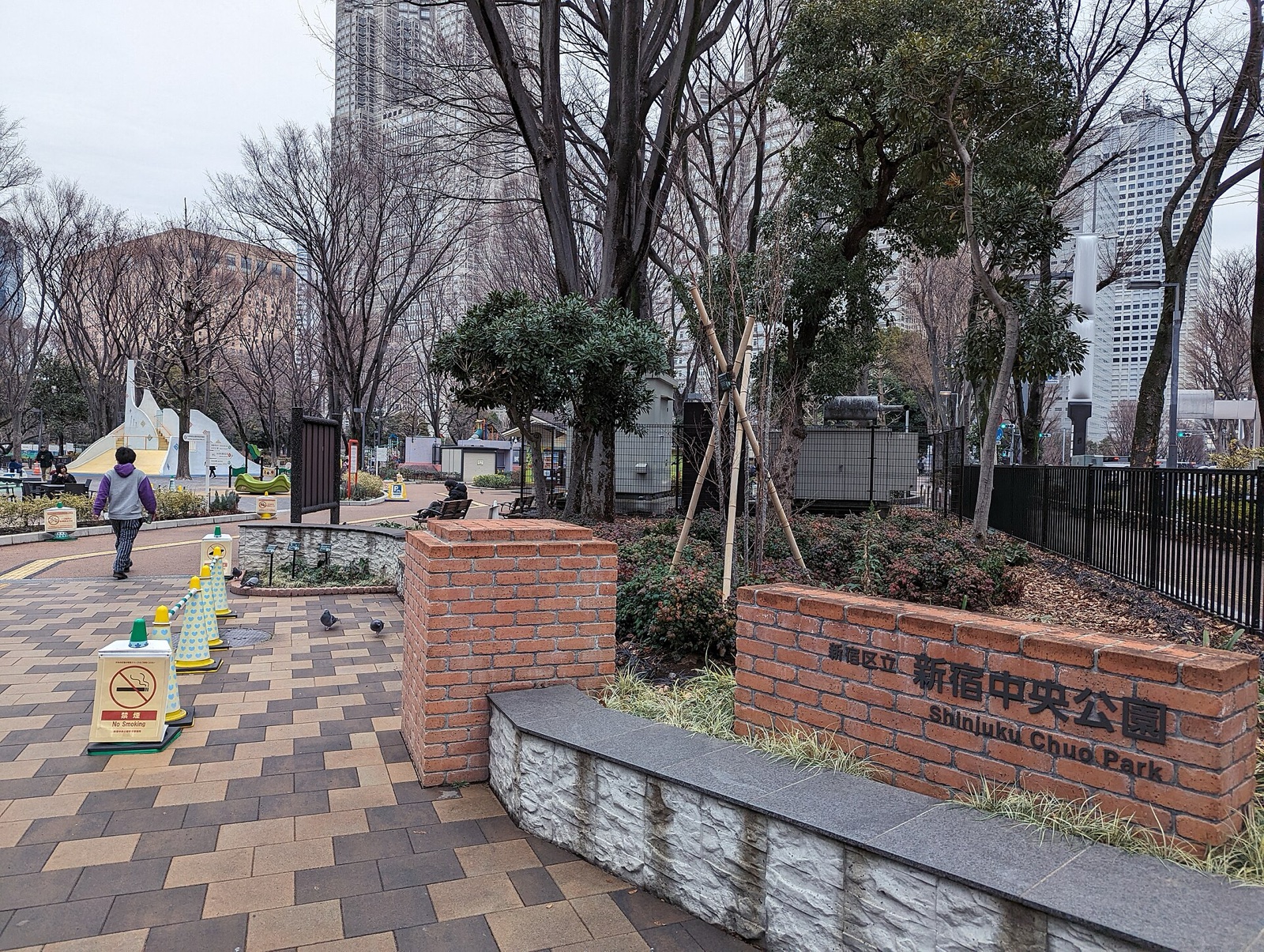
Picnics are where many people start. You can arrive, sit down and leave when you like, and nobody has to shout over music. Shinjuku Central Park is the largest park run by Shinjuku City, and picnics on its lawn are part of normal use; the management office even lends lawn mats on sunny days. The rules still matter. Fires and stoves are banned, so is drinking that disturbs others, and on the lawn you cannot use waterproof plastic sheets such as blue tarps, tables or chairs. Breathable mats are fine (Shinjuku City park rules and the park's management office, checked 2026-10-02). If you want to picnic in Shinjuku Gyoen instead, the rules are stricter, alcohol included. Our separate guide to Shinjuku Gyoen picnic rules explains them.
How do you choose a good language exchange?
Look at five things before you sign up: the host, the group size, the language balance, the price, and the meeting point. A listing that is clear about all five is usually run by someone who cares whether you have a good time.
- The host. Is there a named person or organiser, and can you contact them before the day? Meetups with a host who introduces newcomers are far easier to join alone than ones where everyone already knows each other.
- Group size. Ten to thirty people in a park still feels like a conversation. A hundred people in a bar is a party, which is fine if that is what you want, but you will practise less.
- Language balance. If almost everyone speaks English as a first language, Japanese learners will not get much practice, and the reverse is also true. Good hosts say who usually comes, or ask on sign-up which language you want to practise.
- Price, stated up front. Free events should say what you need to bring. Paid events should say exactly what the fee covers: a drink, snacks, a room. If the price is vague, ask before you go.
- A precise meeting point and a cancellation policy. "Shinjuku" is not a meeting point. "The lawn next to the Peace Bell in Shinjuku Central Park" is. The listing should also say what happens if it rains or if you cannot come.
One more test: do you have to give more personal information than the event needs? A name and an email address are normal. A request for your home address or passport number for a free picnic is not.
Are bar and pub language exchanges safe?
Bar events run by a known organiser in a booked venue are generally fine. The risk in Tokyo's nightlife districts comes from street touts and unknown bars, not from the meetup itself. Keep the two separate.
The UK government's travel advice for Japan says that drink spiking and credit card fraud are rising in entertainment districts. It names Kabukicho, Roppongi, Shibuya and Ikebukuro as high-risk areas identified by Japanese police, and says most British victims were targeted in Kabukicho after being approached in English by street touts (FCDO, checked 2026-10-02). The Shinjuku Police Station's English leaflet "Tips for Safe Drinking in Shinjuku" says the same thing from the local side: cases of customers following touts and being overcharged in Kabukicho bars have been increasing, although touting on the street is prohibited in Shinjuku.
Practical rules that follow from both sources:
- Go straight to the venue on the listing. Never follow someone from the street to "a better bar".
- See a menu with prices before you order, and keep track of what you have had.
- Don't leave a drink unattended, and don't accept one from a stranger.
- Carry only the cash and cards you need.
- In trouble, call 110 (police; the Shinjuku Police leaflet notes it is available in English) or walk to the nearest police box (koban).
Also remember that the legal drinking age in Japan is 20. Japan's age of adulthood dropped to 18 in 2022, but the law on underage drinking still sets the line at 20 (Ministry of Health e-healthnet; National Tax Agency). Bar meetups should check ages, and you may be asked for ID.
What should you bring, and how should you behave?
Bring something to share if it is a picnic, arrive on time, and give everyone an equal share of the conversation. The etiquette is mostly ordinary good manners. A few points are specific to Japan.
- Introduce yourself in both languages if you can, even badly. It signals that you are there to exchange, not just to practise.
- Switch languages fairly. If you have been talking in English for twenty minutes, offer to move to Japanese.
- Correct only when asked. Many people come because they are tired of being corrected.
- Leave space for quiet people. Japanese conversation often leaves more silence than English, and a pause is not always an invitation to fill it. Our piece on reading the air in Japan goes into why.
- Ask before taking photos of people, and before posting them.
- Swap contacts by choice. Exchanging LINE IDs is normal in Japan, but no one should feel obliged.
- Take your rubbish home from parks. Shinjuku City's park rules prohibit bringing in household rubbish.
- Walk away from sales pitches. A meetup is not the place for recruiting into businesses or groups, and a good host will step in if it happens.
For a picnic, a light jacket helps in autumn evenings, and a breathable mat or a cloth sheet works better than plastic on Tokyo lawns.
Is there a free, city-run place to meet people in Shinjuku?
Yes. Shinjuku Multicultural Plaza (Shinjuku Tabunka Kyosei Plaza) is a Shinjuku City facility for exchange between Japanese and non-Japanese residents, with free Japanese classes and free consultations. It is on the 11th floor of the Hygeia building at 2-44-1 Kabukicho and opens from 9 a.m. to 9 p.m. It closes on the second and fourth Wednesdays of each month and over the New Year holidays, 29 December to 3 January (Shinjuku City, checked 2026-10-02).
The plaza holds Japanese-language classes and events on international exchange. When no class is running, the open space can be used for studying and talking. Its consultation corner helps foreign residents with problems in daily life. It is less of a social night out than a meetup, but it is a steady, public place to start, especially if you live in Tokyo rather than visiting.
If you live in Tokyo, how do you keep going after the first meetup?
Go back to the same group two or three times. One meetup gives you conversations. Going back gives you friends, because you will see familiar faces and the host will remember you.
Residents can also offer to help. Newcomers stick with a meetup when someone shows them where to sit and whom to talk to. For a wider view of settling in, see our honest guide to living in Japan.
Which Matsuri meetups can you book right now?
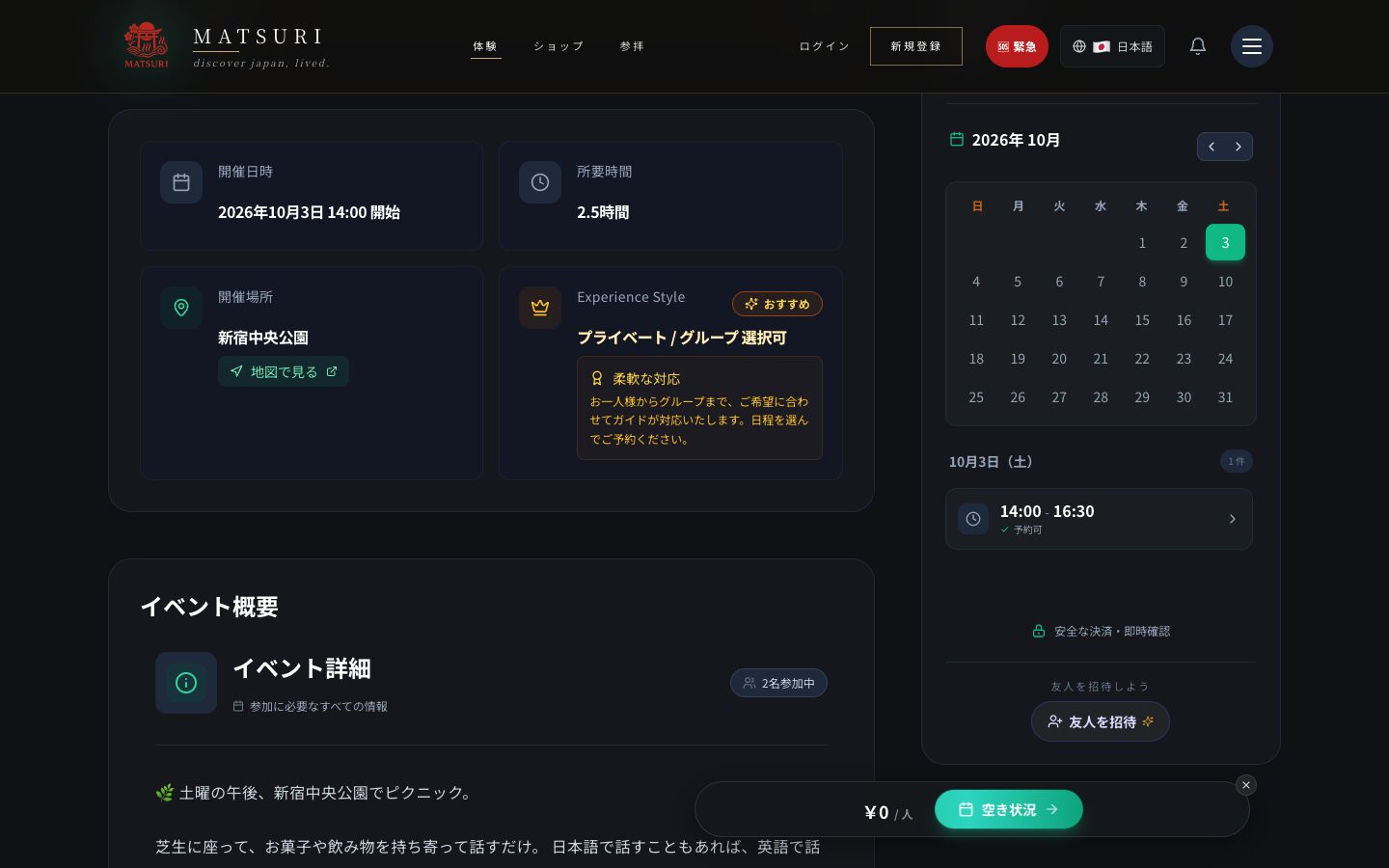
On 2 October 2026, one Matsuri meetup had a bookable date: a free Japanese–English picnic in Shinjuku Central Park on Saturday 3 October 2026, 14:00–16:30. Other meetup listings were on the site without open dates.
Matsuri (matsuri.group) lists meetups in Shinjuku: picnics on the lawn by the Peace Bell in Shinjuku Central Park, café chit-chats near Shinjuku Station, and a few evening events. On 2 October 2026 we checked the booking calendar of every listing. Only the 3 October picnic had a date you could book. It was free, had places for 30 people, and asked guests to bring snacks or drinks to share, a mat if they had one, and a layer for the cooler afternoon (listing page).
If you are reading this after 3 October 2026, that listing will show a past date. Matsuri shows a booking calendar on a listing only when the host has opened a date; when none is open, the booking box says the schedule is being arranged. How booking works, step by step, is in how to book an experience on Matsuri.
The Matsuri feature
- What is Matsuri? — the hub: what the site offers and how to read it
- How to book an experience on Matsuri — dates, payment and your QR ticket
- Shinjuku Gyoen picnic rules — hours, fees, the alcohol ban, and how the garden differs from Shinjuku Central Park
Sources and dates checked
- UK Foreign, Commonwealth & Development Office, "Japan: Safety and security" (drink spiking, high-risk districts, bar bills) — https://www.gov.uk/foreign-travel-advice/japan/safety-and-security — checked 2026-10-02
- Tokyo Metropolitan Police Department, Shinjuku Police Station, "Tips for Safe Drinking in Shinjuku" (English leaflet) — https://www.keishicho.metro.tokyo.lg.jp/about_mpd/shokai/ichiran/kankatsu/shinjuku/about_ps/safe_drinking.files/English.pdf — checked 2026-10-02
- Ministry of Health, Labour and Welfare, e-healthnet, "Drinking by persons under 20" (Japanese; drinking age 20) — https://kennet.mhlw.go.jp/information/information/dictionary/alcohol/ya-028.html — checked 2026-10-02
- National Tax Agency, measures to prevent drinking by people under 20 — https://www.nta.go.jp/taxes/sake/miseinen/torikumiyosei2022/01.htm — checked 2026-10-02
- Shinjuku City, "Rules for using parks" (Japanese) — https://www.city.shinjuku.lg.jp/seikatsu/midori01_000001_00022.html — checked 2026-10-02
- Shinjuku Central Park management office, park rules and lawn rules — https://shinjukuchuo-park.jp/about/ and FAQ (lawn mats, sheets) — https://shinjukuchuo-park.jp/faq/ — checked 2026-10-02
- GO TOKYO (Tokyo Convention & Visitors Bureau), Shinjuku Chuo Park — https://www.gotokyo.org/en/spot/613/index.html — checked 2026-10-02
- Shinjuku City, Shinjuku Multicultural Plaza (Japanese) — https://www.city.shinjuku.lg.jp/tabunka/file03_00018.html — checked 2026-10-02
- Shinjuku City foreign-resident site, Shinjuku Multicultural Plaza (English) — https://www.foreign.city.shinjuku.lg.jp/en/kurashi/tabunkakyosei/ — checked 2026-10-02
- matsuri.group listing pages and Matsuri public API (meetup listings and booking calendars) — checked 2026-10-02
Featured image: Syced / Wikimedia Commons / CC0 1.0 (https://commons.wikimedia.org/wiki/File:Shinjuku_Central_Park_2.jpg)
Written by
J-Times Editorial
J-Times 編集部 / J-Times Editorial Team