
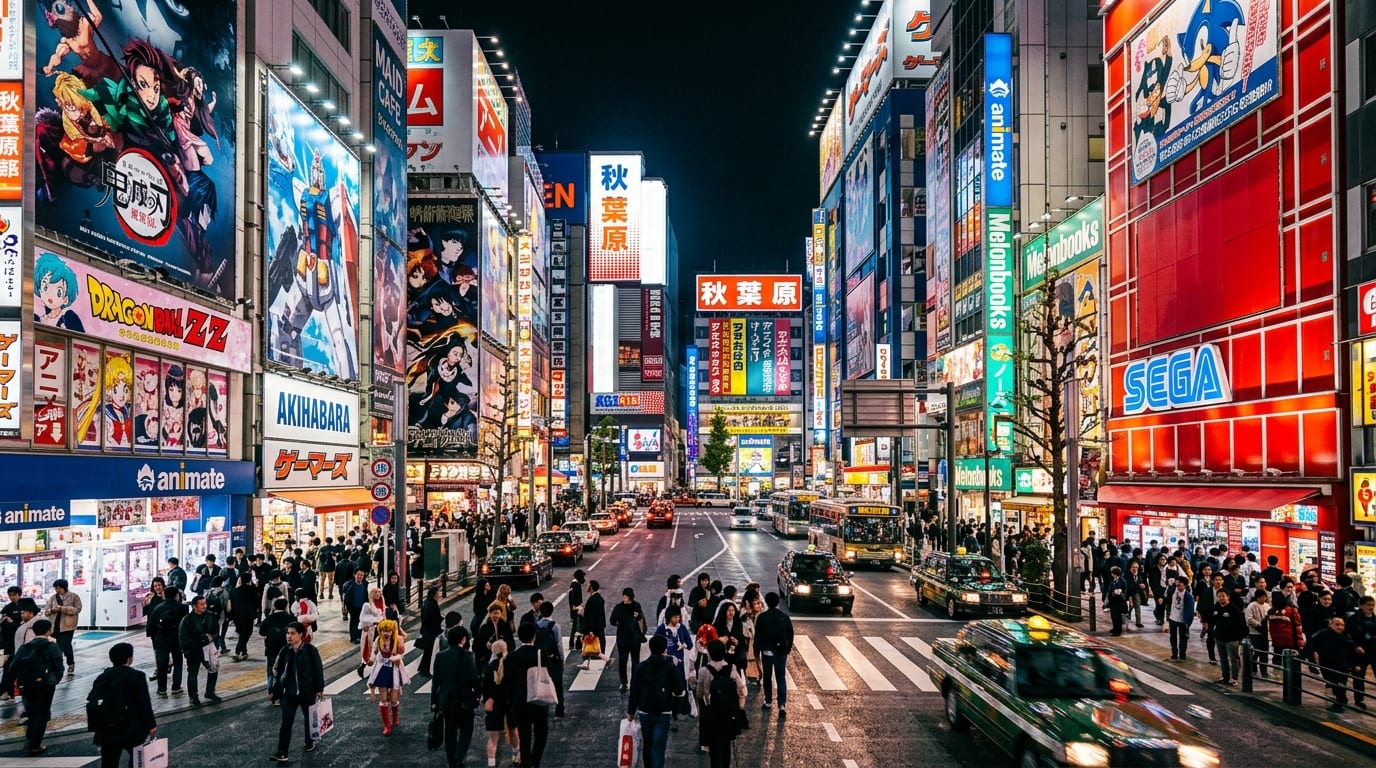
Anime is a $22B global industry projected to hit $50B by 2030. Netflix's $5B investment, AI controversy, Korean/Chinese rise, animator wages — the 2026 battlefield.
Read this article to earn +5 MTC
Japan's $20 Billion "Animation War" — The 2026 Studio Battles That Will Define the Next 10 Years
The Industry Nobody Saw Coming
In 2010, anime was a niche. By 2025, it's a $22 billion global industry. By 2030, projected to hit $50 billion.
That's bigger than the entire global music recording industry. Bigger than Hollywood's overseas box office. Anime quietly became one of the largest entertainment forces on Earth.
And in 2026, the battle for who controls this industry is intensifying like never before.
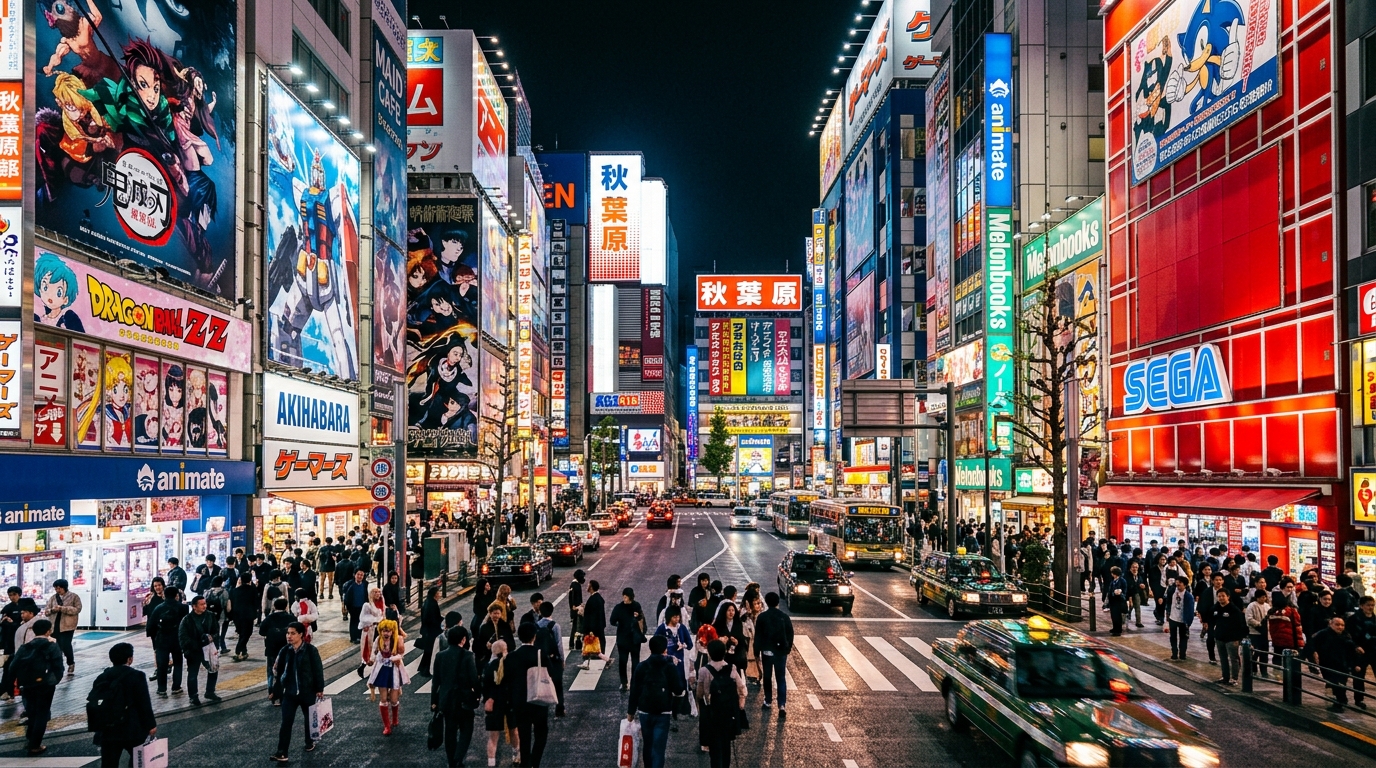
The Three Wars Happening Right Now
War #1: Streaming Platform vs. Production Studio
For decades, Japanese anime studios produced shows for Japanese TV. Now Netflix, Amazon, Crunchyroll, and Disney+ are fighting to lock up exclusive content.
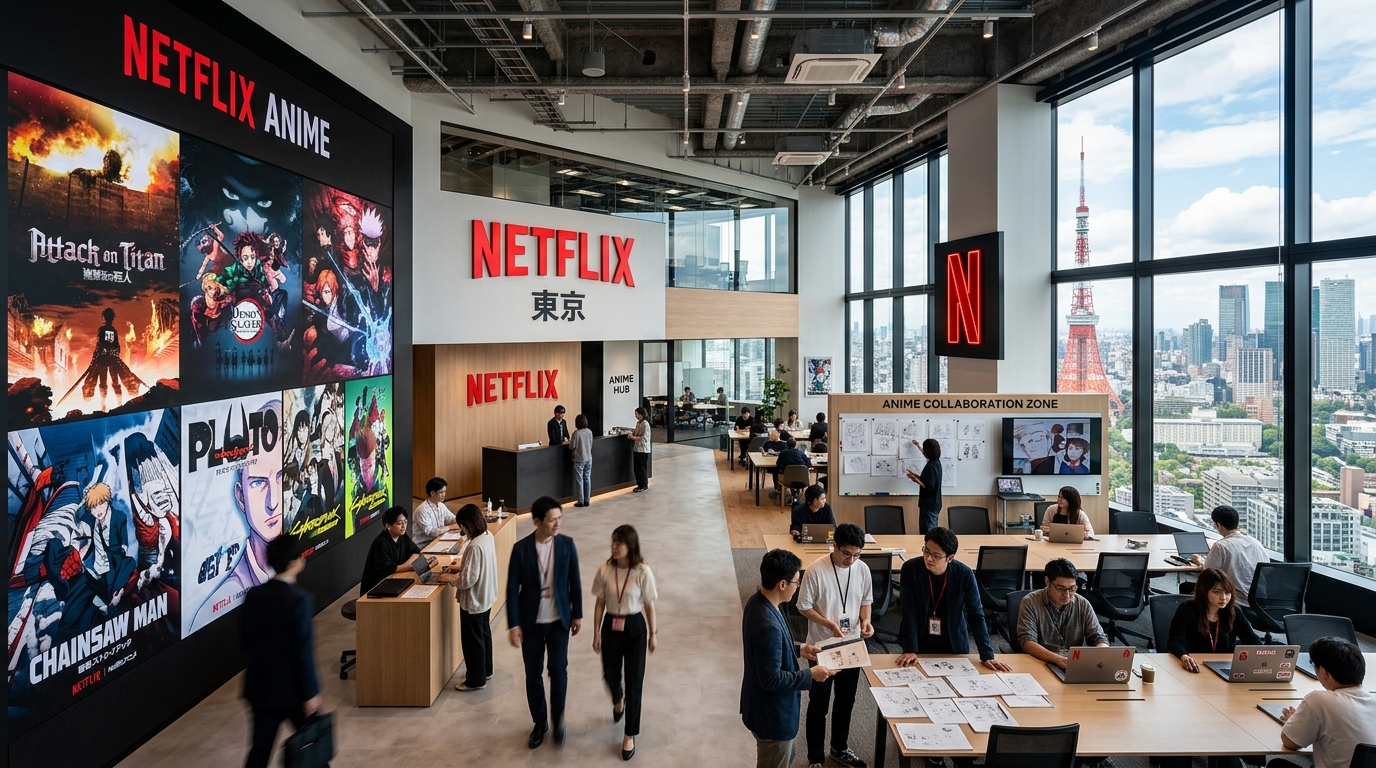
In 2025, Netflix announced $5 billion in anime investments through 2030. They're not just licensing — they're vertical-integrating, buying production studios outright.
This shifts the power: studios that used to be production houses now negotiate global distribution. Studio Kyoto Animation, Madhouse, MAPPA, Production I.G are now strategic assets.
War #2: AI vs. Hand-Drawn
The biggest controversy in anime right now: AI-assisted animation.
Studios using AI for in-betweens, color, and background work can produce shows 40-60% faster at much lower cost. But fans hate it. The 2025 backlash against AI-assisted anime was massive.
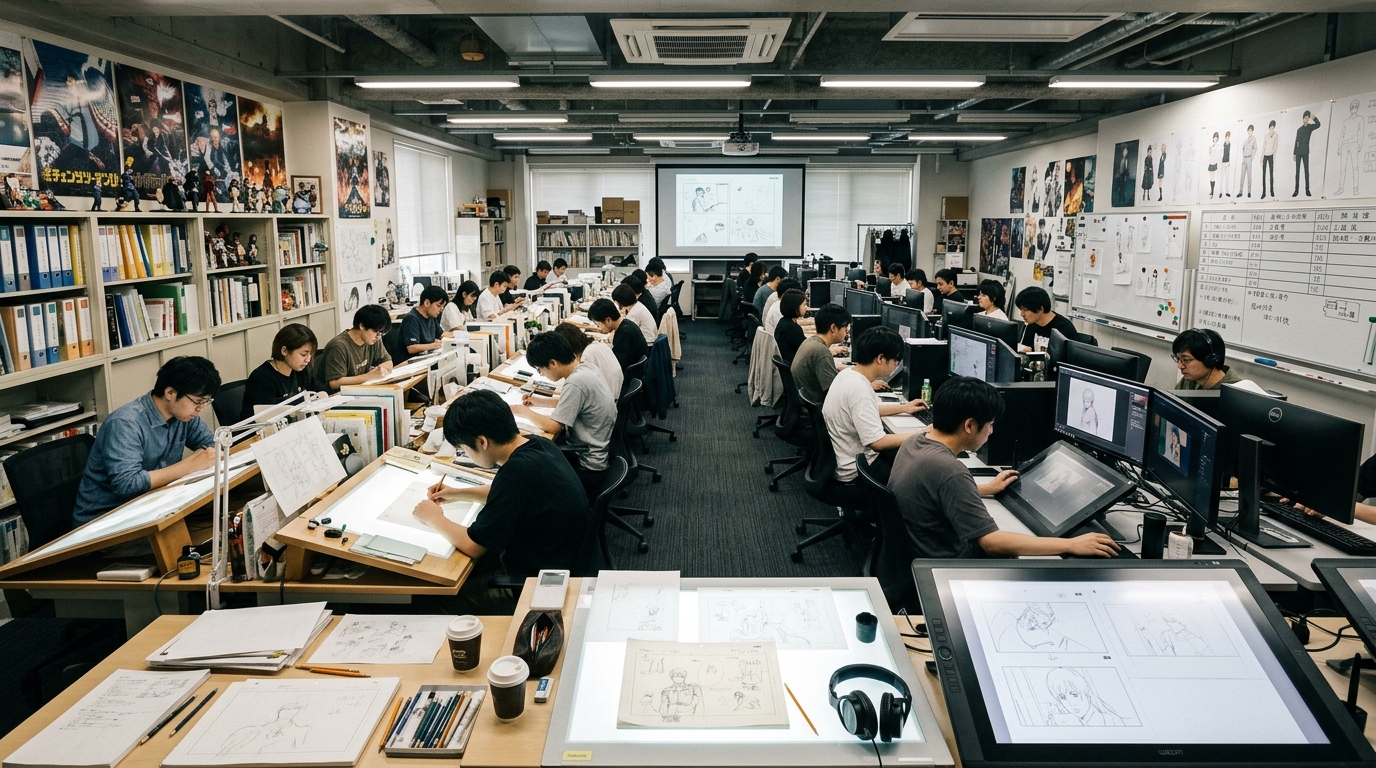
In 2026, studios are split:
- Pro-AI: Toei, Polygon Pictures, several smaller studios
- Anti-AI (purists): Studio Ghibli, Kyoto Animation, Wit Studio
- Hybrid: Most others, using AI selectively while marketing "human animation"
The market hasn't decided which approach wins yet.
War #3: Japan vs. Korea/China
For 50 years, "anime" meant "Japanese animation." That's changing fast.
Korean studios (NEW Animation, Locus) are producing increasingly sophisticated anime-style content. Chinese studios (Bilibili, Tencent) are pumping billions into anime production. Some 2025 hit shows are now Korean or Chinese productions visually indistinguishable from Japanese anime.
Japan still leads in storytelling and craftsmanship. But Korea has lower costs and faster production. China has massive domestic market.
The 2026-2030 question: Will "anime" remain Japanese, or become a global format?
The Top Studios Battling for Dominance
MAPPA — The Rising Powerhouse
Hits: Jujutsu Kaisen, Chainsaw Man, Vinland Saga, Attack on Titan (final season)
Founded 2011, exploded in 2020s. Known for high production quality and willingness to take on impossible projects.
Strategy: Take on prestige shows other studios refuse.
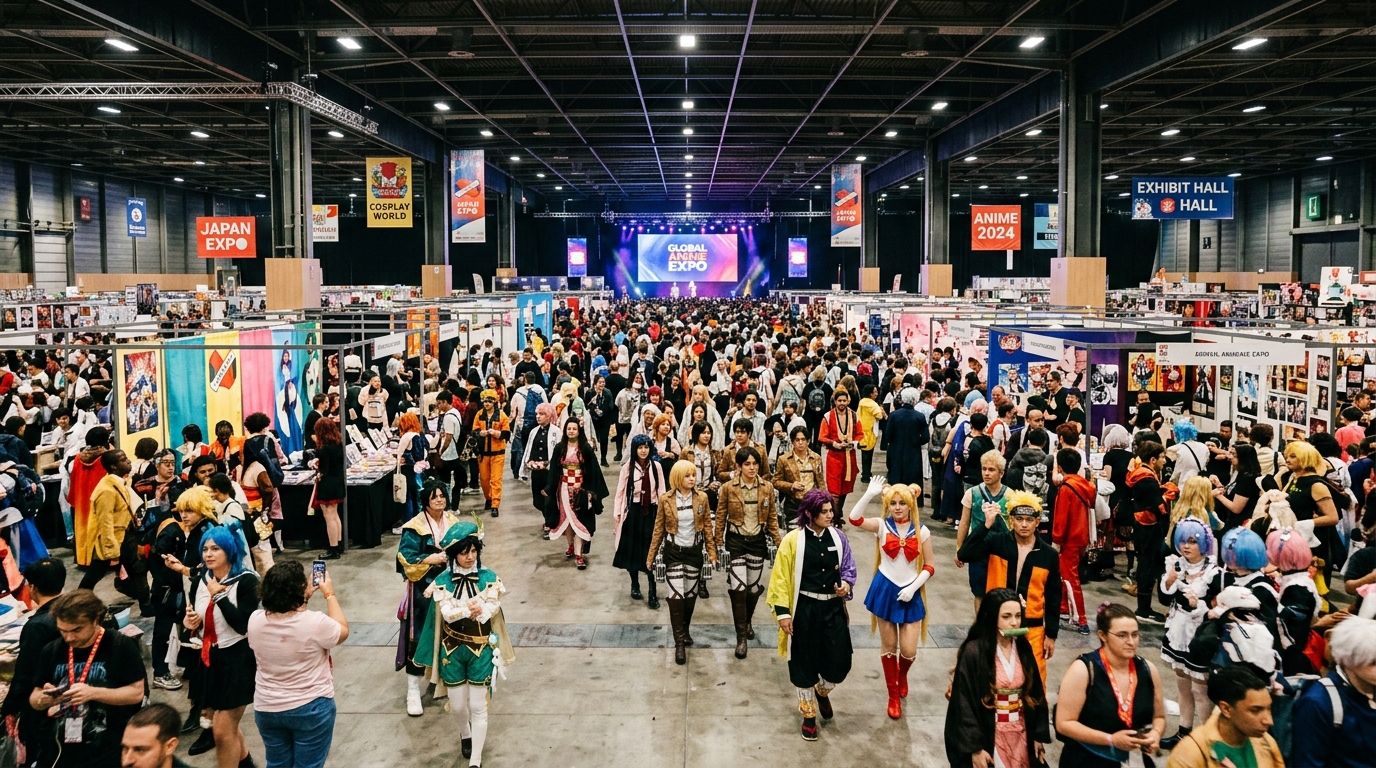
Studio Ghibli — The Legacy
Hits: Spirited Away, Princess Mononoke, The Boy and the Heron (2024 Oscar)
Production rate: 1 film every 3-5 years. But each film makes $200M+ globally.
Strategy: Quality over quantity. Hand-drawn purity.
Kyoto Animation — The Survivor
Hits: A Silent Voice, Sound! Euphonium, Free!
Survived a horrific 2019 arson attack that killed 36 staff. Made a comeback with international acclaim. Strategy: emotional storytelling and exceptional animation craftsmanship.
Toei Animation — The Veteran
Hits: One Piece, Dragon Ball, Sailor Moon, Pretty Cure
Founded 1948 (yes, 78 years old). The grandfather of anime studios. Owns franchises worth $100B+ in cumulative revenue.
Strategy: Long-running franchises that print money for decades.
MAPPA + Wit + Production I.G — The "Big 3" of New Anime
Together, these three studios produce most of Netflix's flagship anime hits. They're getting financial backing that lets them poach top talent.
Why Anime Conquered the World
It's not luck. Five reasons:
1. Visual Unique-ness
Anime looks like nothing else. The art style is instantly recognizable. In an era of homogenized global content, distinctiveness wins.
2. Story Diversity
Anime tackles topics Western shows won't: existential despair (Evangelion), workplace politics (Aggretsuko), philosophical sci-fi (Ghost in the Shell). It's a medium for adult themes.
3. Streaming Made It Free
Before Netflix and Crunchyroll, accessing anime required pirating or paying $30 for DVDs. Now it's $10/month for 1000+ shows. Friction-free access drove explosive growth.
4. Generation Z Adoption
Gen Z grew up with anime as normal. They don't see it as foreign. For them, anime is just "animation that happens to be made in Japan."
5. Soft Power Multiplier Effect
Watching anime makes you interested in Japan. Then Japanese food. Then Japanese language. Then visiting Japan. Anime is the gateway drug to all things Japanese.
The Hidden Crisis: Animator Wages
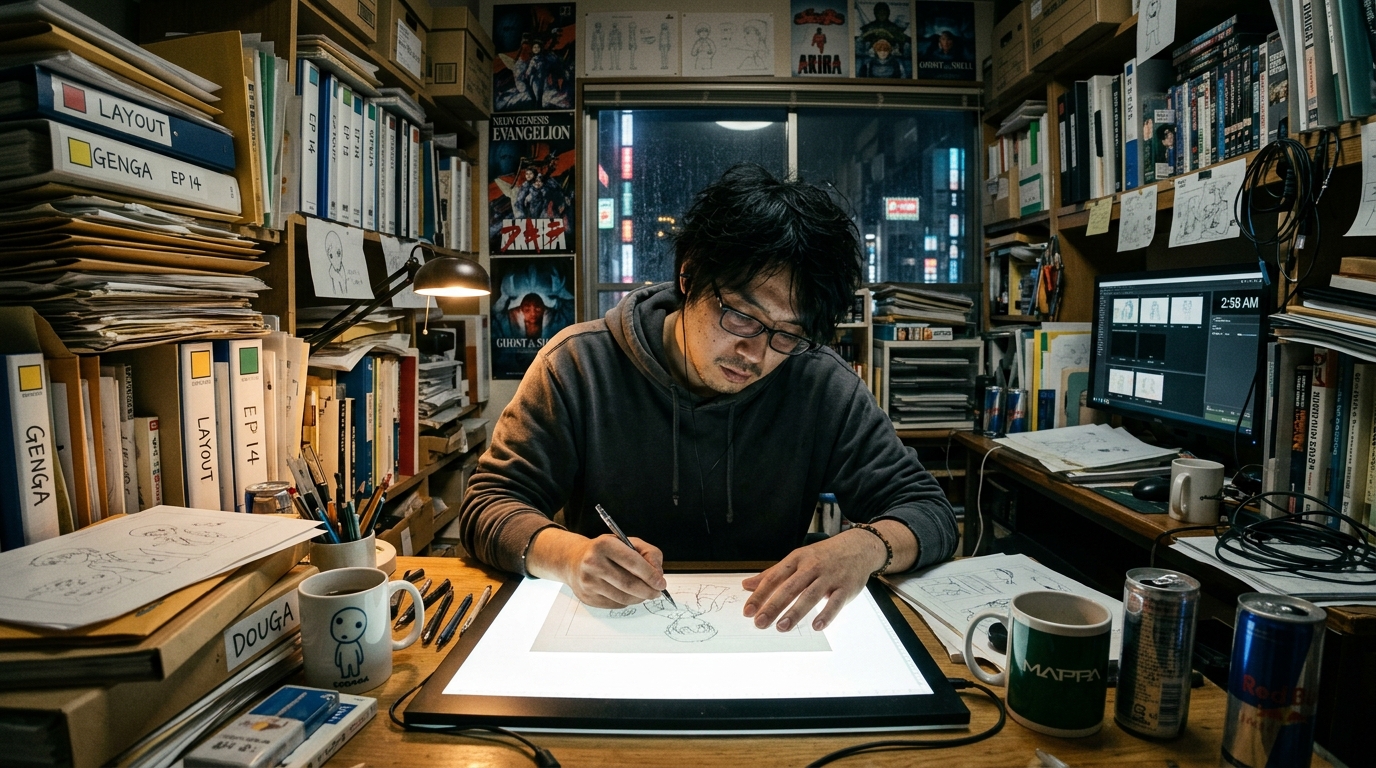
Here's the dark side: Japanese animators are paid notoriously poorly.
The average junior animator earns $1,500-2,500/month — barely above minimum wage. Senior animators make $4,000-6,000/month. By contrast, Hollywood animators make $80,000-150,000/year.
Why? The Japanese anime industry uses a "production committee" model where studios get paid little, distributors and merchandisers take most profits.
This is starting to change in 2026:
- MAPPA increased base salaries 30% in 2025
- Studio Ghibli pays union-negotiated rates
- Top Netflix-funded shows pay industry-leading wages
But many studios still struggle. The industry's $20B revenue isn't reaching the people making the actual art.
What Happens in 2026-2030
The next 4 years will reshape the industry permanently:
Predictions:
- Streaming will dominate: Netflix and Amazon will own 50%+ of new anime production by 2028
- AI will become standard: Even Studio Ghibli will use AI for non-key work
- Korea/China will produce 30% of global anime: Down from Japan's 90% today
- Anime budgets will quadruple: Top shows will get $30M-$50M budgets like prestige TV
- Animator wages will rise 50%+: The industry can no longer attract talent at current rates
What This Means for You
Whether you're:
- An anime fan: Your favorite shows are about to get visually richer and more diverse
- A Japan watcher: Anime is increasingly Japan's most influential cultural export
- An investor: This sector is doubling. Studios, streaming, merchandising all opportunities
- A creator: The path to making anime is more open than ever — Crunchyroll Originals accept submissions
The "Animation War" is the biggest entertainment industry transformation since Netflix vs. cable.
In 5 years, we'll look back at 2026 as the year everything changed. You're watching it happen now.
Pay attention. The studio that wins this war becomes the next Disney.