

28M NISA accounts in 2026 but 88% don't know how to use them. Core-satellite strategy, currency diversification, crypto ETFs, regional REITs explained.
Read this article to earn +5 MTC
2026 Investment Environment Transformed — What Japanese Investors Don't Know After New NISA
The Shock: 28 Million NISA Accounts Opened, But Only 12% Use Them Correctly
Two years after Japan's New NISA program launched in 2024, account count hit 28 million by early 2026 — about 30% of Japanese adults.
But latest FSA survey reveals a shocking fact: 88% of NISA users say "I don't know what to invest in" or "just S&P 500 for now." Less than 12% are using it correctly.

This is enormous opportunity loss. The 20-year wealth gap between "correct users" and others will be tens of millions of yen.
3 Major 2026 Investment Environment Changes
Change 1: Structural Rise of Nikkei
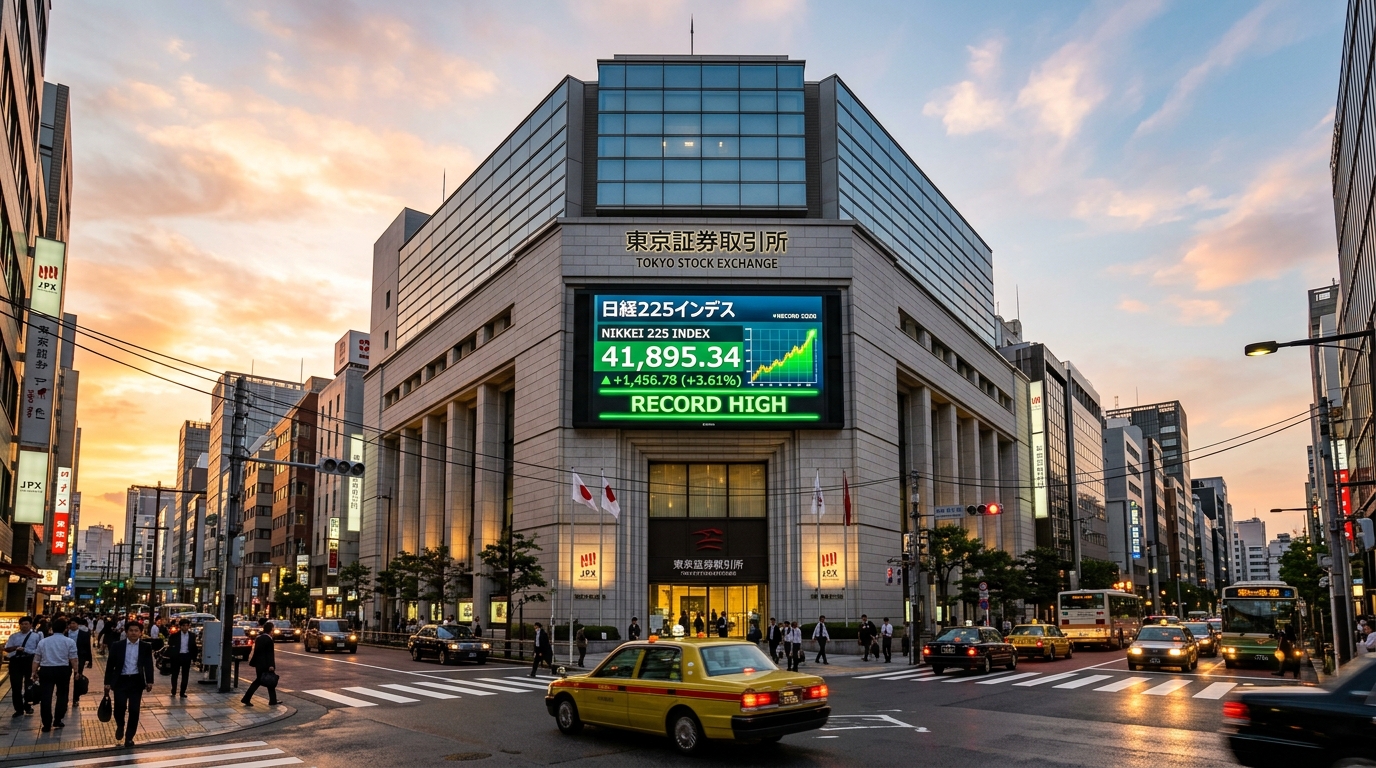
In 2024, Nikkei surpassed bubble-era highs. 2025-2026 trend continues. Driven by PBR-below-1 reform, wage revolution, foreign investor return.
"Japanese stocks are dead" is fully outdated. Now is the real time to buy Japanese stocks.
Change 2: Crypto Becomes Institutional
2024 US Bitcoin ETF approval, 2025 Japan spot crypto ETF expected to be authorized. Plus crypto tax reform debated: from current max 55% to flat 20%.
Institutional money flowing in. Crypto has shifted from "speculation" to "asset class."
Change 3: Real Estate Shift "Tokyo → Regional"
Central Tokyo yields dropped to 3-4%. Regional major cities (Sapporo, Fukuoka, Sendai) yield 6-8%. Regional REITs growing rapidly since 2025.
4 Strategies to Become a "12% Winner"
Strategy 1: Core-Satellite
Core (70%): eMAXIS Slim All-Country (Orukan) or S&P 500 Satellite (30%): Individual stocks, theme ETFs, emerging markets, crypto-related
Achieves both diversification and growth opportunity.

Strategy 2: Use the "Growth Investment Slot"
NISA has two slots: "Tsumitate (¥1.2M/yr)" and "Growth (¥2.4M/yr)". Most people don't use Growth.
Add individual stocks, international ETFs, real estate funds here for higher returns.
Strategy 3: Currency Diversification
Holding only yen is dangerous. With JPY long-term decline, more than half your portfolio should be in USD or other currencies.
NISA allows international equity funds and US ETFs — use them.
Strategy 4: Automatic Dividend Reinvestment
Don't consume dividends — auto-reinvest. This alone changes 20-year wealth by 2-3x. Compounding power is staggering.

3 New Trends Beyond NISA
1. Robo-Advisor Evolution
WealthNavi, THEO, RakuRap offer AI-driven fully automated investing. Annual fees 0.7-1.0% for pro-level portfolio management.
2. Crypto DCA (Dollar-Cost Averaging)
Auto-investing ¥10,000/month in Bitcoin is exploding. Easy setup via bitFlyer, Coincheck. 10-year wealth effect is remarkable.
3. International Real Estate REITs
ETFs investing in Singapore, US, EU REITs growing. "Global REIT ETF" tradable on Tokyo exchange = easy option.
3 "Don't Do This" Mistakes
Mistake 1: Theme Funds with High Fees
"AI funds," "Semiconductor funds" carry 1.5-2% annual fees. Same theme via ETF: ~0.3%. Fee difference dramatically impacts 20-year results.
Mistake 2: Short-Term Trading
NISA is designed for long-term holding. Buy-sell-buy-sell loses tax advantages. Buy and hold 20 years = correct answer.

Mistake 3: Believing "Japanese Stocks Are Dead"
Many say "only US stocks now" — completely wrong. Look at 2025-2026 Japanese stock surge. Geographic diversification is the basic of long-term investing.
Closing — "Not Investing" Is the Biggest Risk
Yen weakness, inflation, social security cuts — in this environment, holding cash is the biggest risk.
In 2026, you have all the weapons: New NISA, crypto ETFs, regional REITs, global diversification.
Investing your first ¥10,000 today changes your life 20 years from now.