2026 data: 29% of Japan crowds into Tokyo region. 744 municipalities at risk of extinction. Meanwhile 92% of rural migrants satisfied. Save ¥1.2M/yr rent, get back 500hrs/yr.
Read this article to earn +5 MTC
How "Tokyo Concentration" Is Killing Japan's Future — 5 Reasons Rural Migration Will Transform Your Life
The Shock: 29% of Japanese Live in Tokyo Region, Rural Collapse Accelerating in 2026
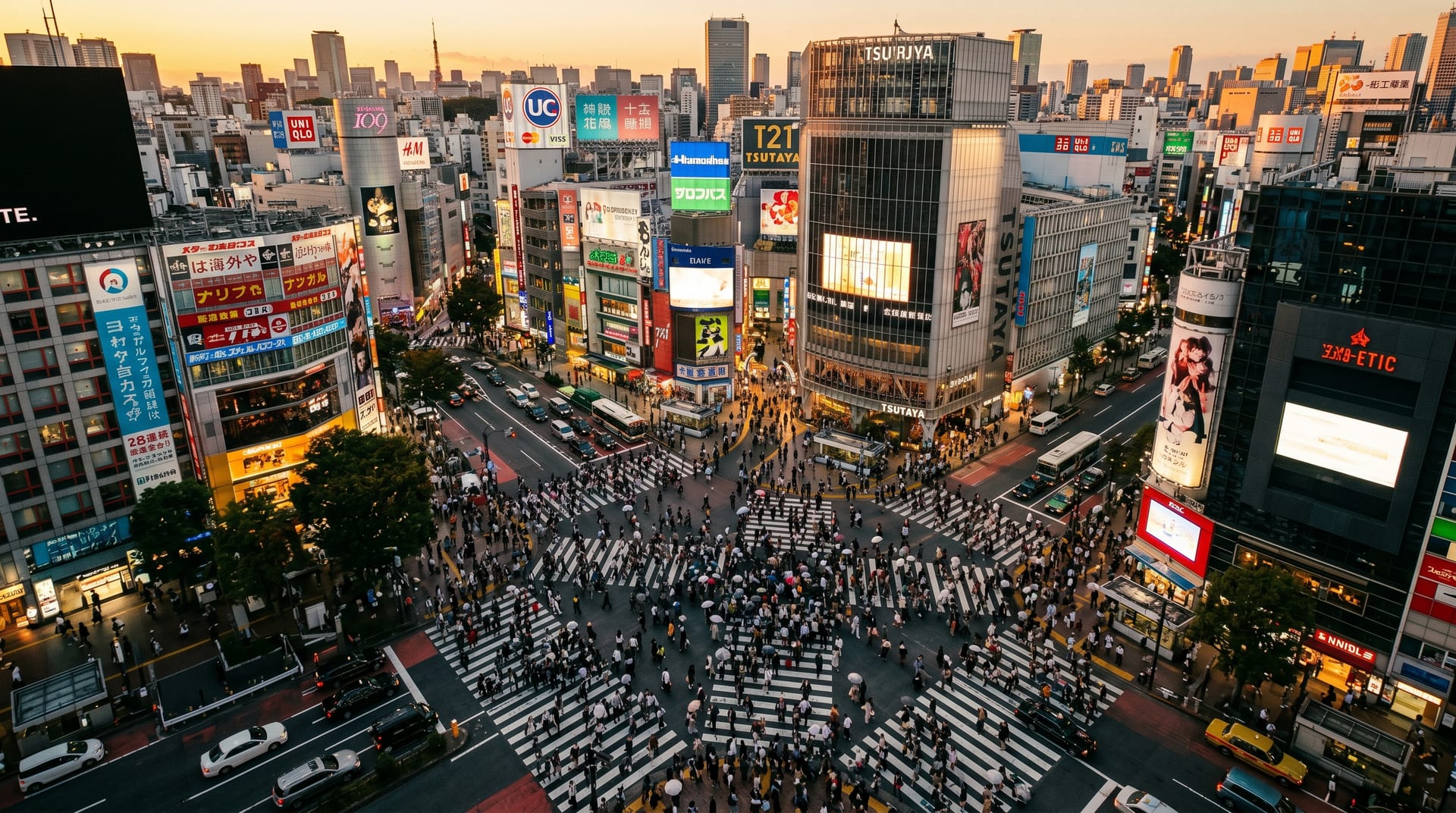
According to the latest 2026 data from Japan's Ministry of Internal Affairs, the Tokyo metropolitan area (Tokyo + Kanagawa + Saitama + Chiba) has a population of about 36.94 million — 29.4% of all Japan living on just 3.6% of the land area.
This is extreme concentration by global standards:
- Korea (Seoul region): 50% of population — even more concentrated
- France (Paris region): 19%
- USA (NY region): 6.4%
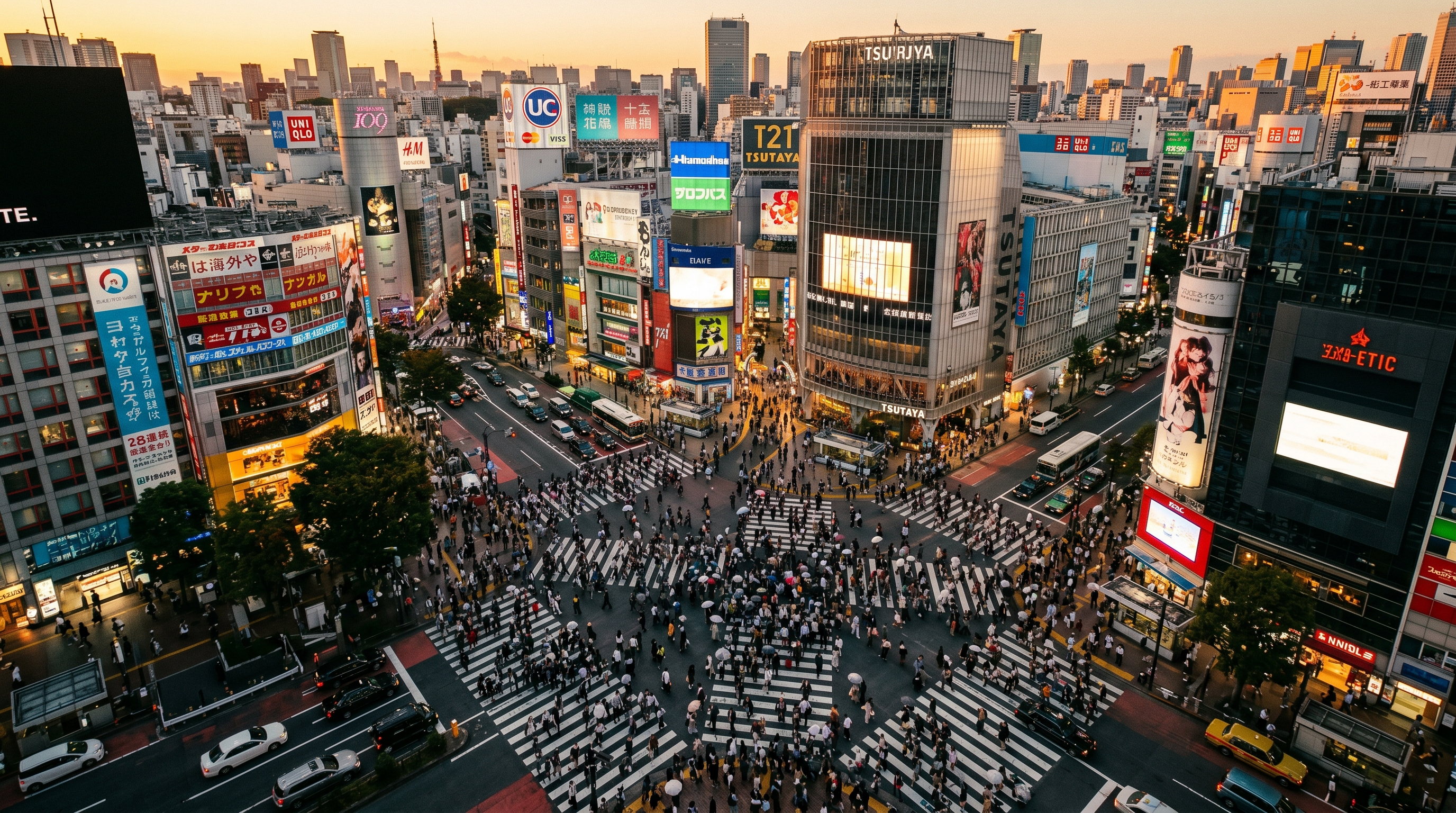
Worse: this is still accelerating. Meanwhile, "potentially extinct municipalities" hit 744 in the latest 2025 data — 42% of Japan's local governments.
Why "Hyper-Concentration" Is Destroying Japan — 5 Structural Problems
1. Catastrophic Fertility Decline
Tokyo region's fertility rate is 1.04 (2024) — significantly below the national 1.20 average and the lowest in the world.
Reasons: extreme housing costs, long work hours, daycare shortages, isolated parenting. Many young people simply consider raising children in Tokyo "economically impossible."
2. Concentrated Disaster Risk
A direct-strike Tokyo earthquake would cause estimated damage of ¥95 trillion (Cabinet Office latest estimate) — wiping out roughly 1/4 of Japan's GDP instantly.
3. Rural Infrastructure Collapse
Bus routes shutting down, gas stations closing, medical facilities withdrawing — all chain reactions making "anywhere outside Tokyo" increasingly unlivable.
4. Food Security Collapse
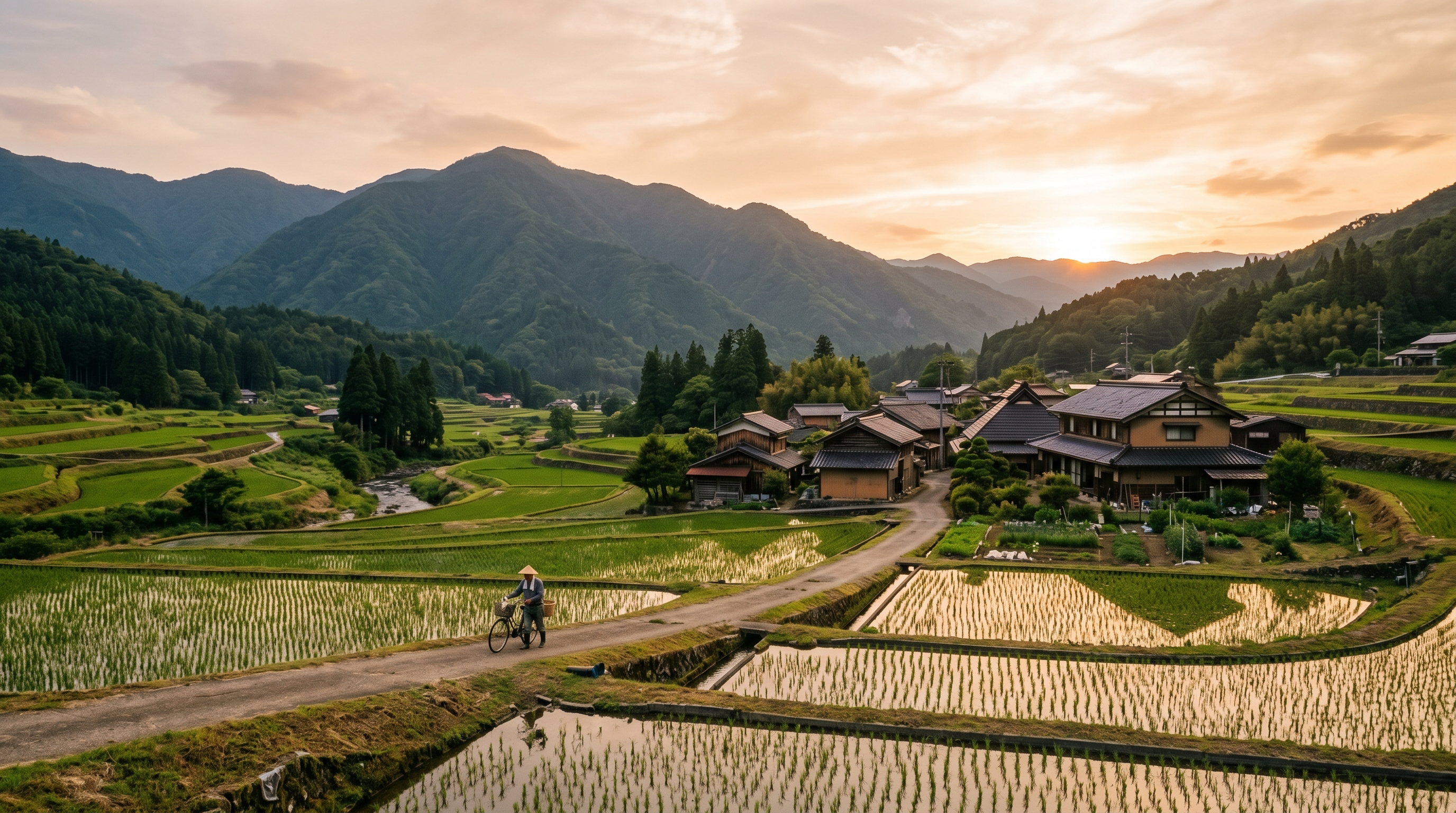
Average Japanese farmer age: 68 years old (2025 MAFF data). When rural production bases vanish, Japan's already-low calorie self-sufficiency (38%) will sink further.
5. Loss of Culture and Diversity
Local traditions, dialects, craftsmanship, community structures vanish with each generation. Lost culture never returns.
5 Reasons Rural Migration Will Transform Your Life
Reason 1: Dramatic Housing Cost Reduction
Tokyo 23 wards average rent: ¥150,000/month Rural city average rent: ¥50,000-70,000/month
Difference of ¥100,000/month = ¥1.2 million/year. This alone transforms your financial freedom. Plus "akiya banks" let you buy houses for under ¥5 million.
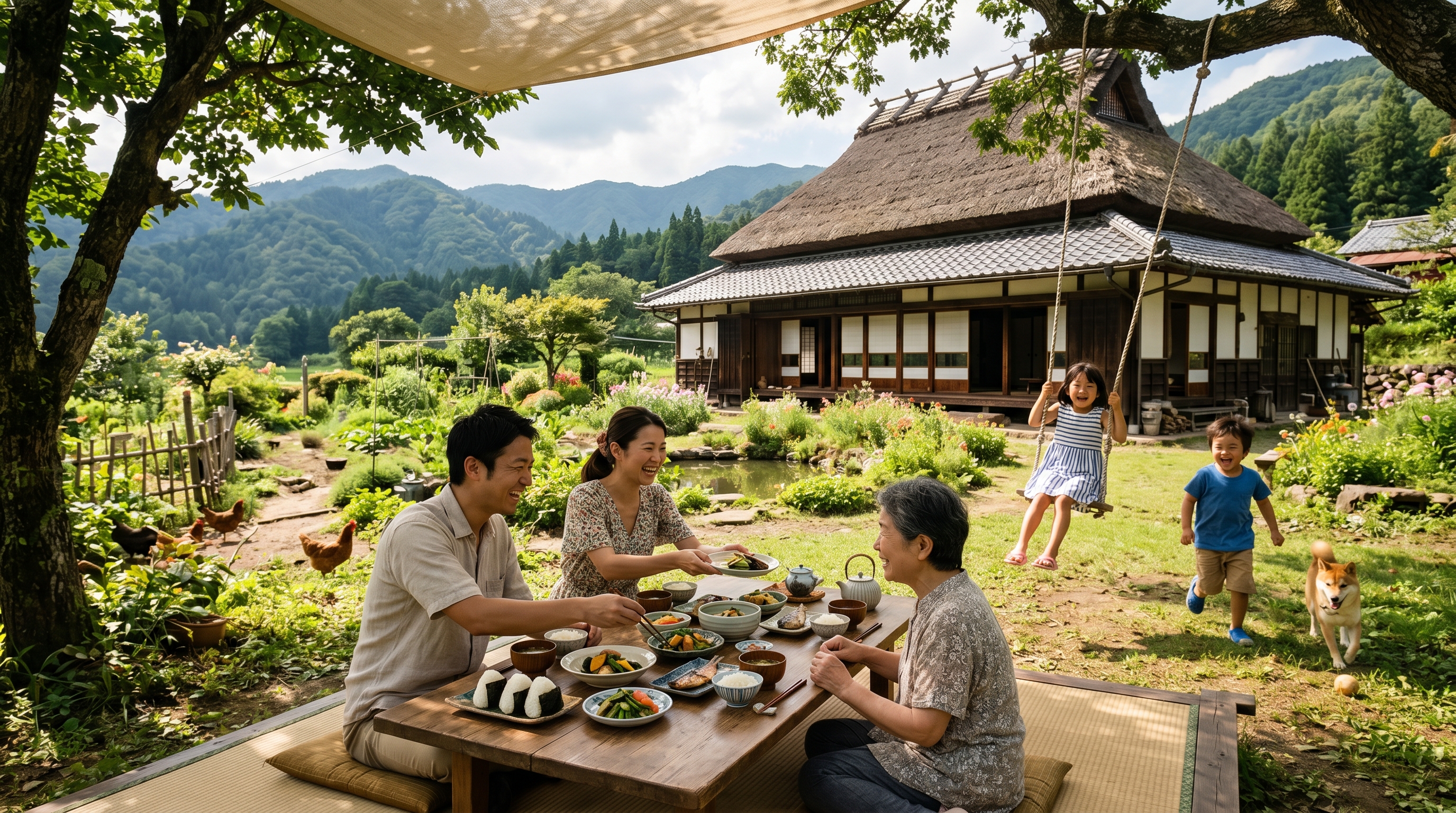
Reason 2: Escape from Commute Hell
Tokyo's average one-way commute is 68 minutes. Rural areas: 15-30 minutes. Get back 2 hours daily, 500 hours annually.
500 hours = your hobbies, family, learning, side projects, life.
Reason 3: Fundamentally Better Childcare Environment
Rural daycares have near-zero waitlists and lower fees. Smaller classes. Children grow up in nature. Quality of life impossible to recreate in Tokyo.
Actual data: 2024-2025 rural migrants report 92% satisfaction (NPO Furusato Kaiki Support Center survey).
Reason 4: Remote Work Made Geography Irrelevant
Post-pandemic, Japan's remote-capable jobs exploded. By 2026, IT, consulting, marketing, design — most knowledge work is location-independent.
Keep your Tokyo salary, live with rural costs. This is becoming the new standard.
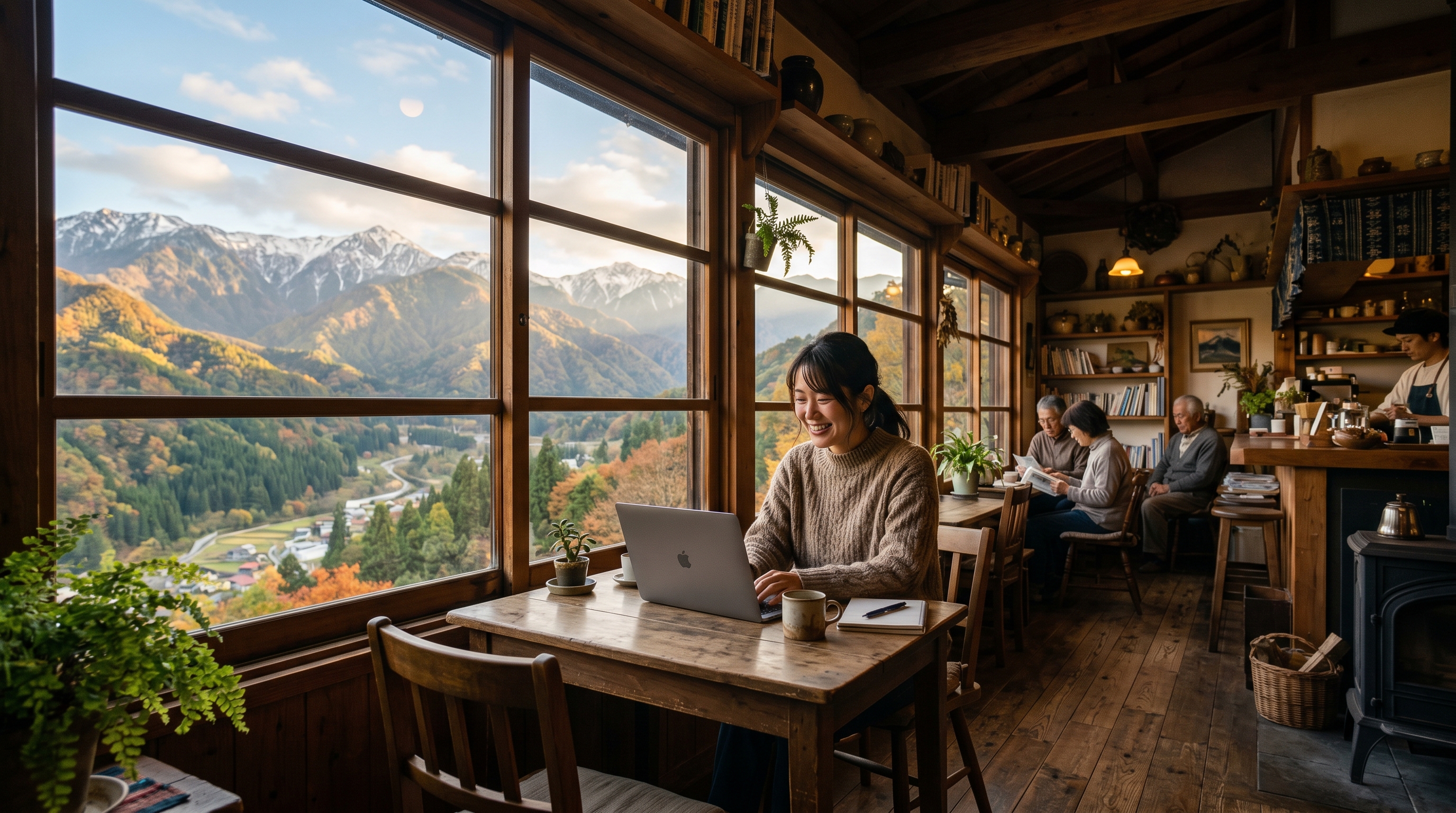
Reason 5: The Feeling of "Living Your Own Life"
Migrants consistently report: "For the first time in my life, I'm living at my own pace." Conversations with neighbors, feeling the seasons, contributing to community — quality of life Tokyo has erased.
Concrete Migration Steps — 3 Actions You Can Start Today
Step 1: Try a "Trial Migration" Program
Local governments offer 1-3 month trial programs with rent subsidies and job introductions. Test rural living risk-free.
Notable programs:
- Higashikawa (Hokkaido): "Short-term Stay"
- Minamishinshu (Nagano): "Trial Housing"
- Kochi Prefecture: "Furusato Kaiki Support"
Step 2: Research Properties via Akiya Banks
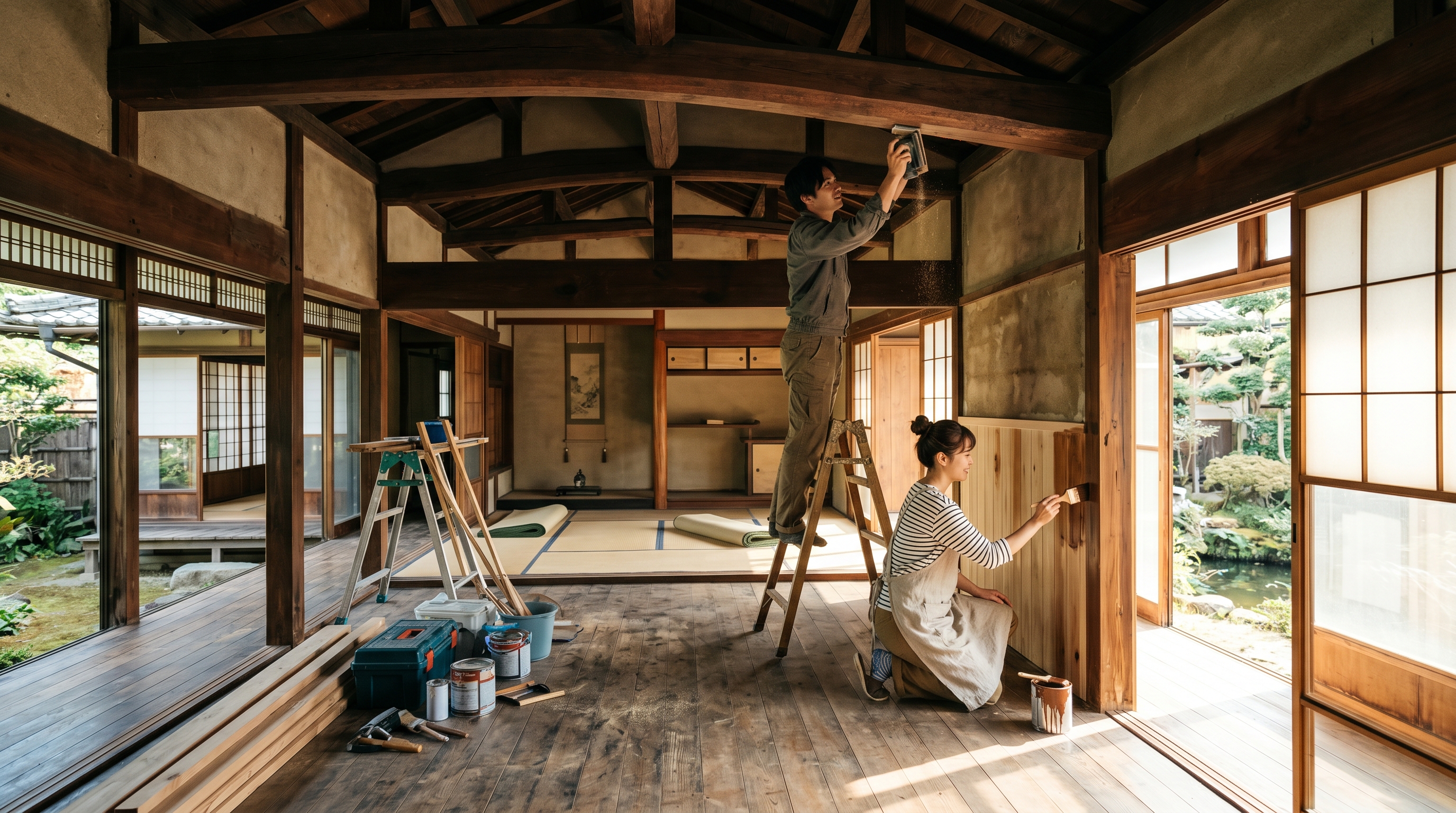
Japan has 9.4 million empty homes (2024 data). Some are stunningly cheap to buy or rent. Many municipalities offer renovation subsidies.
Step 3: Negotiate Remote Work with Your Employer
Don't quit suddenly — first ask if your current job can be remote. More companies are flexible: better than losing top talent.
Closing — "Burn Out in Tokyo, or Live in the Countryside"
The Showa-era belief that "succeeding means living in Tokyo" is dead.
In 2026, rural migration is no longer "compromise" but "choice." Technology removed location constraints, governments offer aggressive support, abundant empty homes await. These conditions never existed before.
Where is the life you actually want? In a packed Tokyo train?
Today, start by visiting the Furusato Kaiki Support Center website. A new life door opens.