
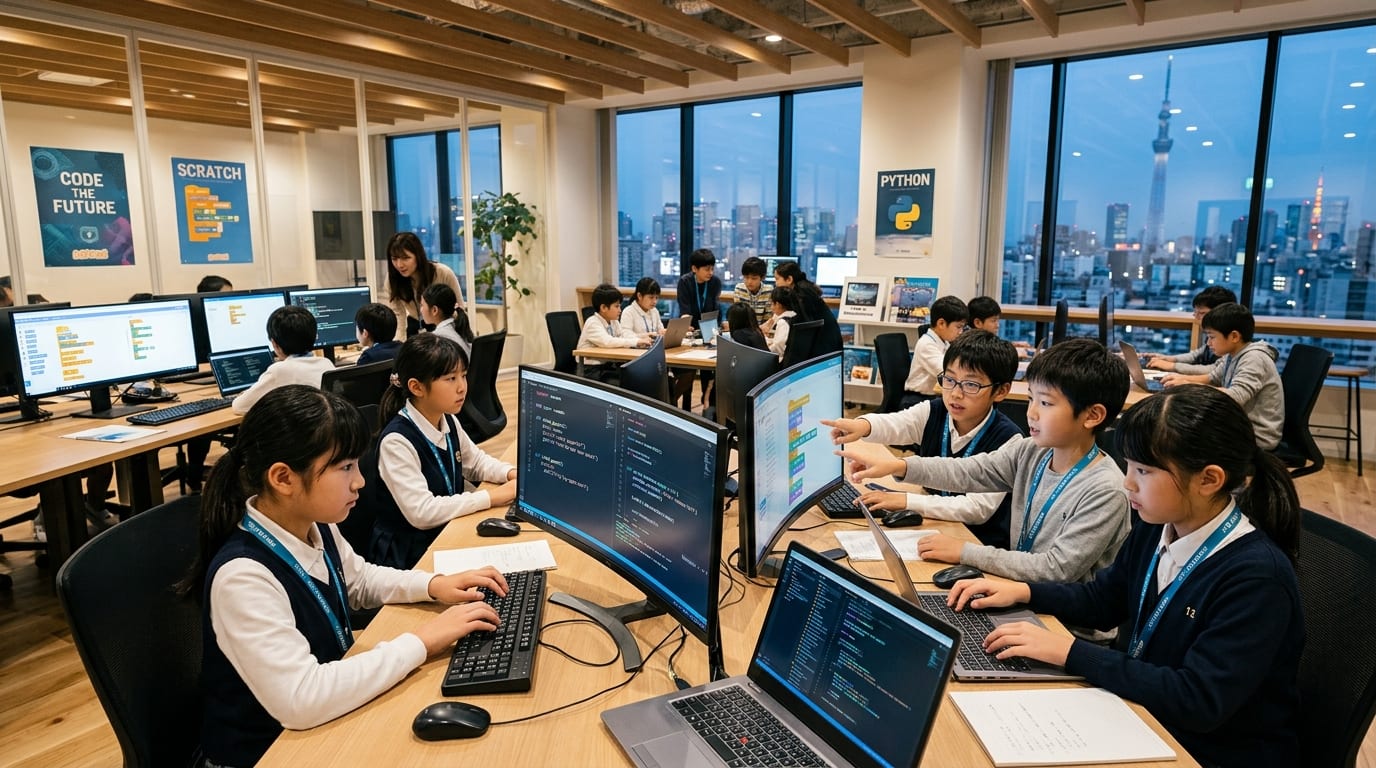
2026 Benesse data: high-income households accelerating "cram school departure." Top 10 ranking and the next-gen 5 activities wealthy families now choose.
Read this article to earn +5 MTC
2026 Kids' After-School Activities Ranking — What Wealthy Families Are Choosing Instead of Cram Schools
The Shift: "Cram School Departure" Is Happening
Benesse Education Research's latest 2026 survey shows a dramatic 3-year shift. Among households earning ¥15M+, "cram school" selection dropped from 73% → 38% — cut in half.
What are they choosing instead? The answer is clear.
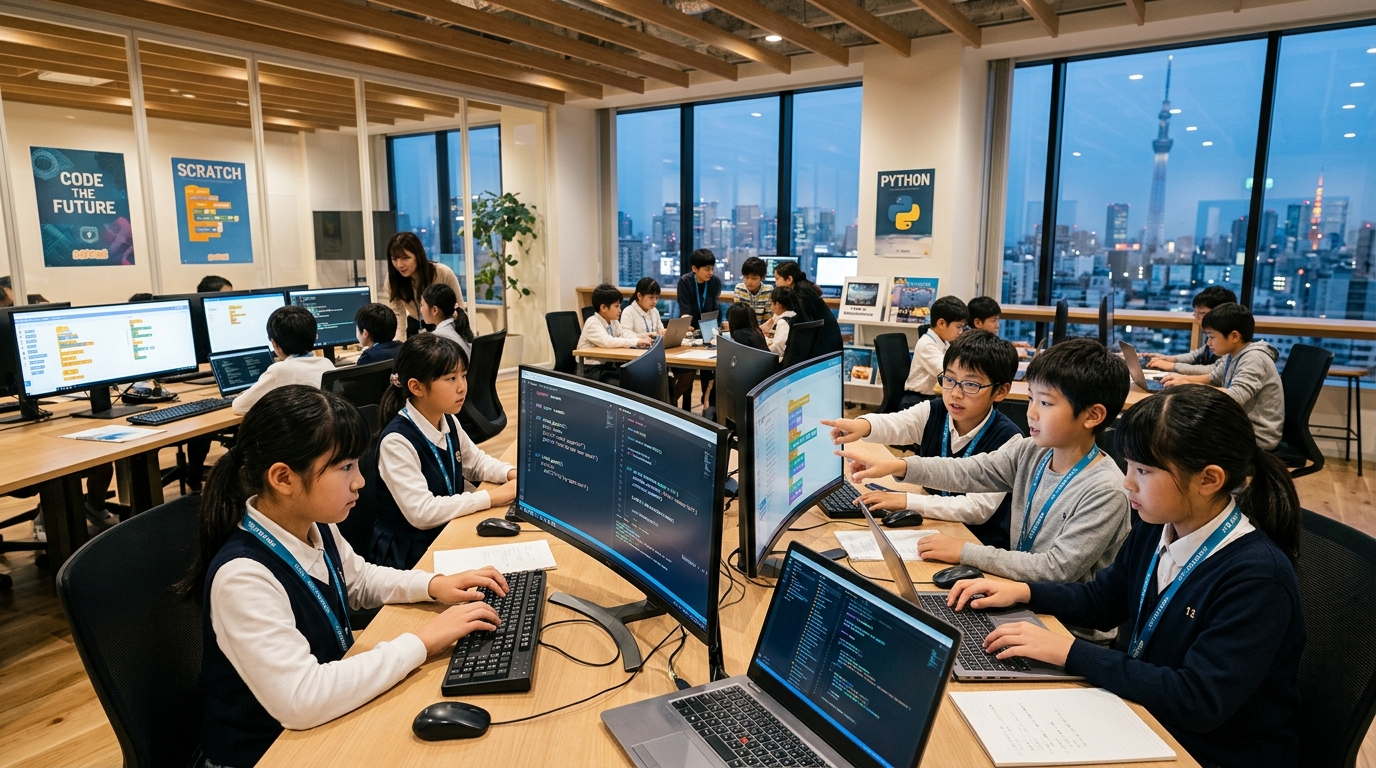
Programming, English, inquiry learning, music, sports — investment shifted from "school extension" to "skills that broaden life."
2026 Latest "Kids' Activities Ranking TOP 10"
Combined data from Benesse, Kumon, Gakken, ECC:
TOP 10 (Elementary, Multiple Selection)
| Rank | Activity | Enrollment | Avg Monthly Fee |
|---|---|---|---|
| 1 | Swimming | 38% | ¥8,000 |
| 2 | English | 35% | ¥12,000 |
| 3 | Programming | 28% | ¥18,000 |
| 4 | Piano/Music | 26% | ¥10,000 |
| 5 | Cram School | 24% | ¥25,000 |
| 6 | Soccer | 23% | ¥6,000 |
| 7 | Calligraphy | 18% | ¥5,000 |
| 8 | Dance | 17% | ¥9,000 |
| 9 | Soroban | 15% | ¥5,500 |
| 10 | Basketball | 12% | ¥7,000 |
Notable: Programming jumped from 2024's #7 to 2026's #3. AI-era parental psychology reflected.
"Next Generation 5" Wealthy Families Are Choosing
1. High-Level English Immersion
Not just "English conversation" — all subjects taught in English at international school style. Over ¥100,000/month, but huge popularity in high-income tier.
Reason: 2026 international university programs (Keio, Sophia English courses, UTokyo PEAK) admission rates surged. Open kids' choices to the world.
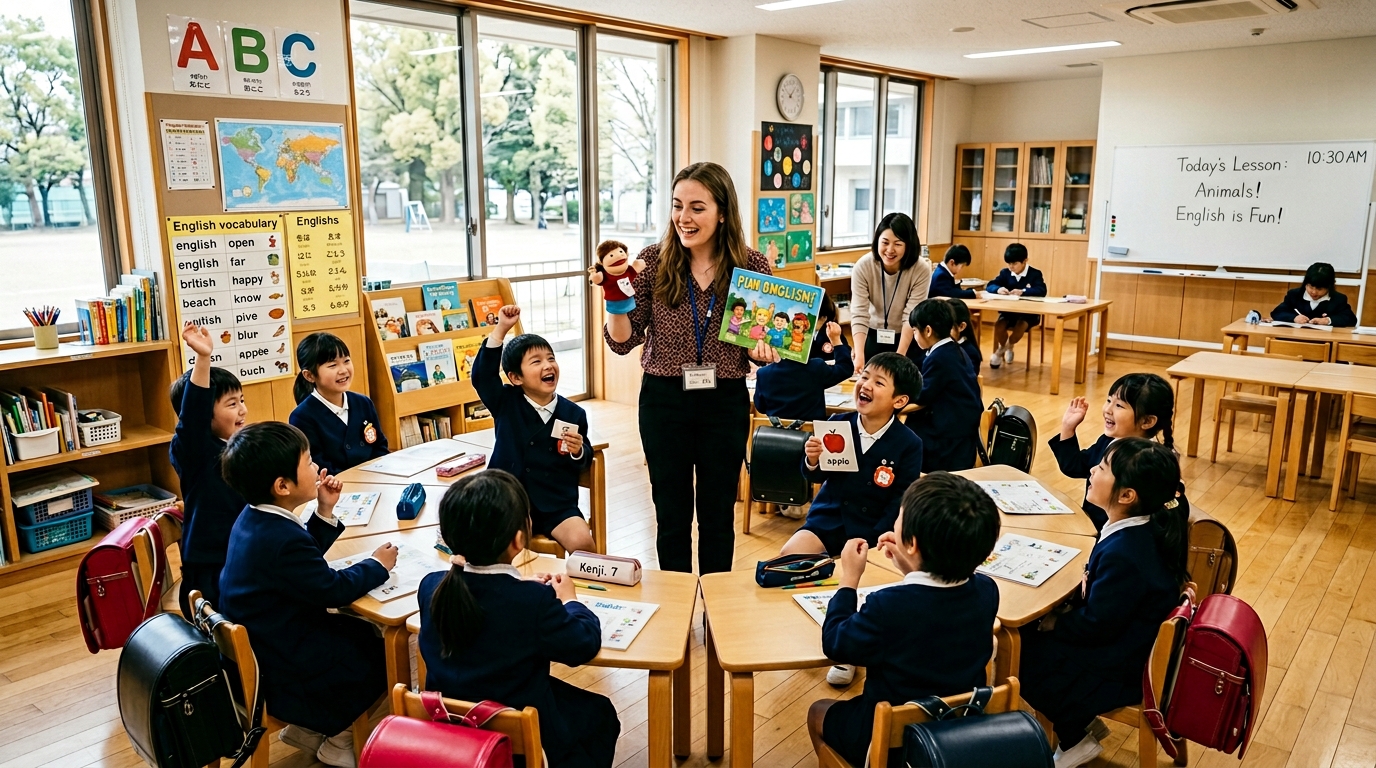
2. STEAM / Programming
CodeMonkey, Scratch, Python — kids' programming schools exploding. ¥18,000-30,000/month.
Reason: Crisis awareness about future jobs. Parental desire to put kids on AI-resistant side.
3. Inquiry-Based Learning
Not "solve problems with answers" cram-style, but classes that nurture "the ability to ask questions." Top picks: Hanamaru Gakushukai, Vista Works. ¥20,000-40,000/month.
Reason: Shift from "kids who memorize answers" to "kids who think for themselves."
4. Art + Design Thinking
Not painting/art per se, but learning the "observe → ideate → express" process. CANVAS, Little Artists. About ¥12,000/month.
Reason: Nurturing "uniquely human creativity" in the AI era.
5. Mental Training
Sometimes called "heart training" — meditation, mindfulness, coaching classes. About ¥15,000/month.
Reason: Investment in building "strong inner life" early to survive competitive society.
"Time Over Money" Strategy of Rich Families
Latest trend in high-income families: "Few things, deeply."
Strategy 1: Build "One Axis"
By age 5-7, find one "loves this" thing and continue 10 years. Swimming, piano, karate, English. Confidence gained from continuity is a lifetime asset.
Strategy 2: Weekly "Inquiry"
Family visits to libraries, museums, nature parks. Build "curiosity foundation" weekly. Creates the "ability to learn" used in college and adulthood.
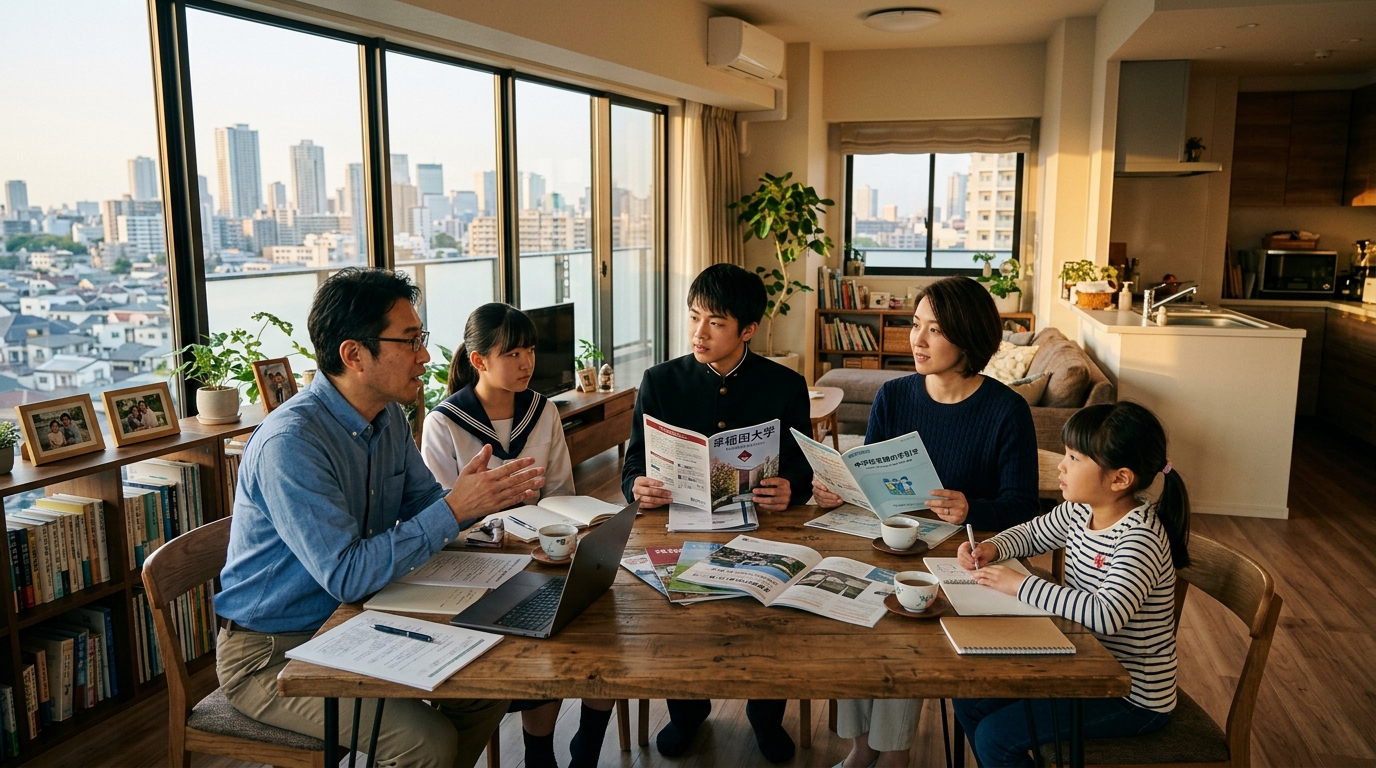
Strategy 3: Have a "Place to Fail"
Not perfectionist cram schools, but fail-safe environments (sports, art, programming). The habit of learning from failure is the core uniquely human trait AI can't replace.
Strategy 4: Parents "Enjoy Together"
What parents are interested in, kids become interested in. Reading, music, nature, cooking — enjoy alongside them, visibly.
3 Risks of "Cram School Dependence" to Know
Risk 1: Becoming a "Wait for Instructions" Person
Cram schools = teacher-led style. After 10 years, habit of not thinking for yourself. No growth as a working adult.
Risk 2: "Winning Tests" Becomes the Goal
True learning is "understanding the world and building your own life." When test scores become the goal, the essence is lost.
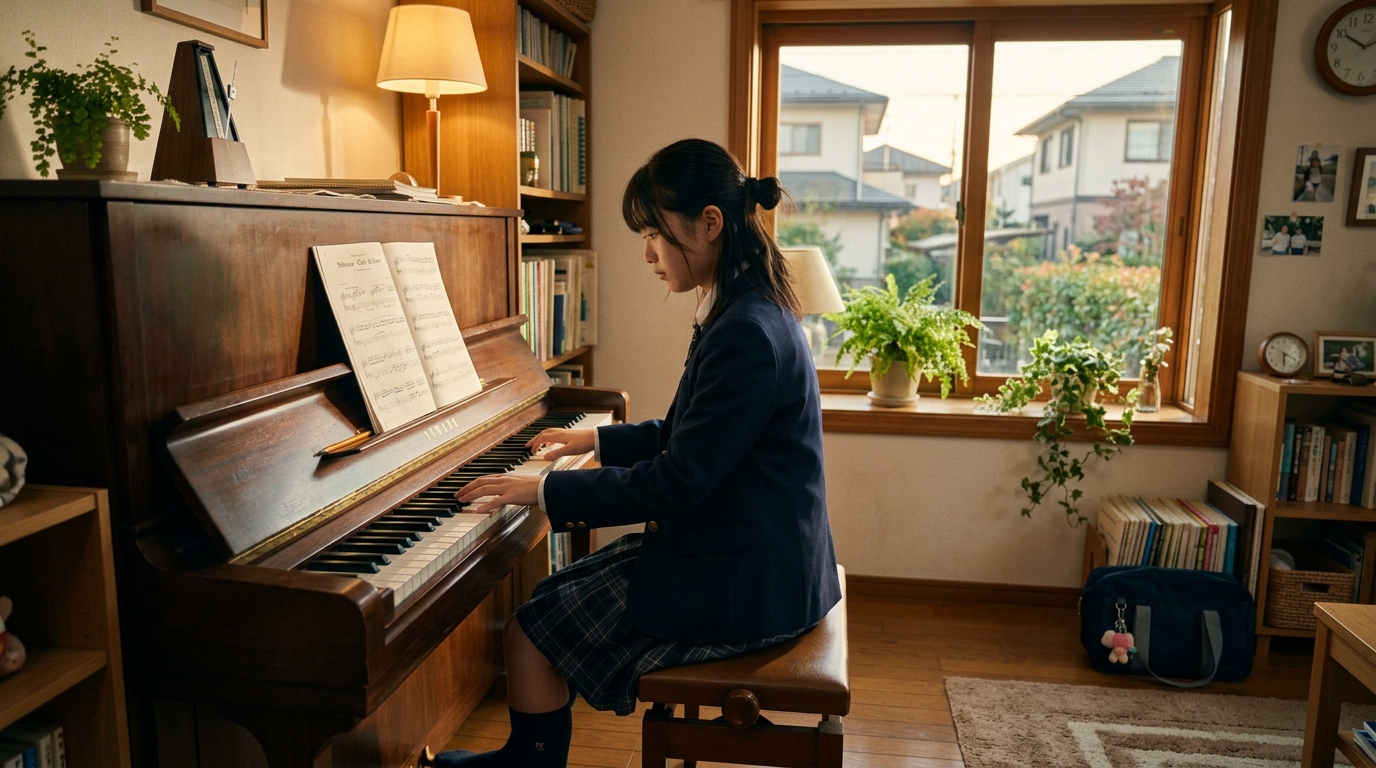
Risk 3: Burnout Risk
Kids drowned in cram schools from elementary school have 3x risk of burnout in middle/high school (UTokyo research). Loses long-term career.
Closing — "Education" Is Not "Investment" but "Sowing Seeds"
Kids' classes aren't "investments seeking returns" but "sowing seeds of future possibility."
The right answer differs per child. Don't copy what wealthy families choose. Continue what your child says "I like" for 5 years. That's the maximum return.
In 2026, what's needed in the AI era isn't cram-school scores but "the power to think, feel, and express for yourself." Today, sit down with your child and ask "what do you love?"