Read this article to earn +5 MTC
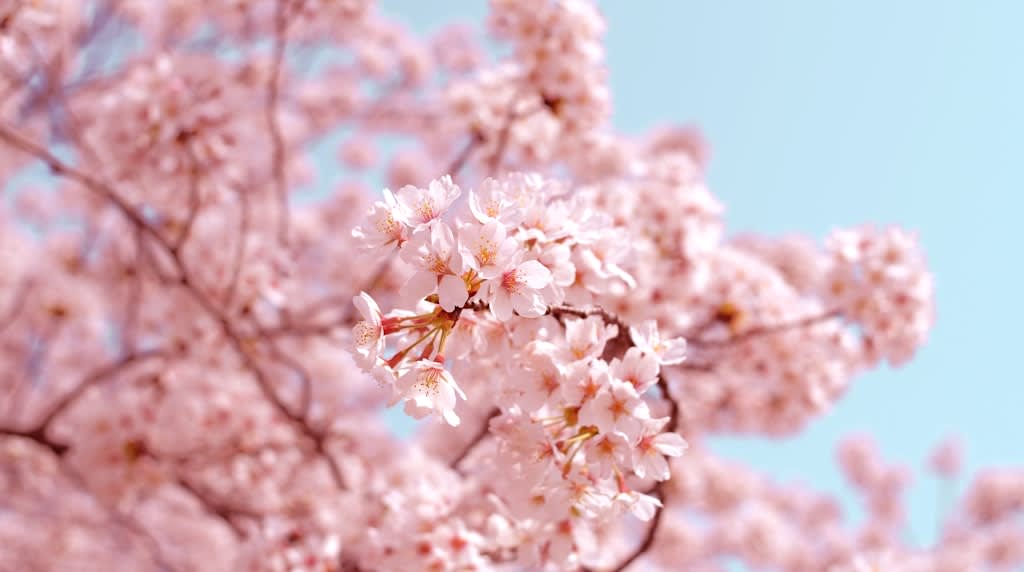
Every spring, millions of tourists flood Japan to see the cherry blossoms. They come armed with selfie sticks and Instagram filters, determined to capture the perfect pink canopy. And honestly, I get it — cherry blossoms are stunning.
But here's what most visitors miss entirely: the Japanese don't celebrate cherry blossoms because they're pretty. They celebrate them because they die.
The Illusion: "Japan Has Beautiful Flowers"
If you've ever scrolled through travel content about Japan, you've seen the pitch — ethereal tunnels of pink, couples posing under perfect canopies, petals drifting across castle moats. It's gorgeous. It also completely misses the point.
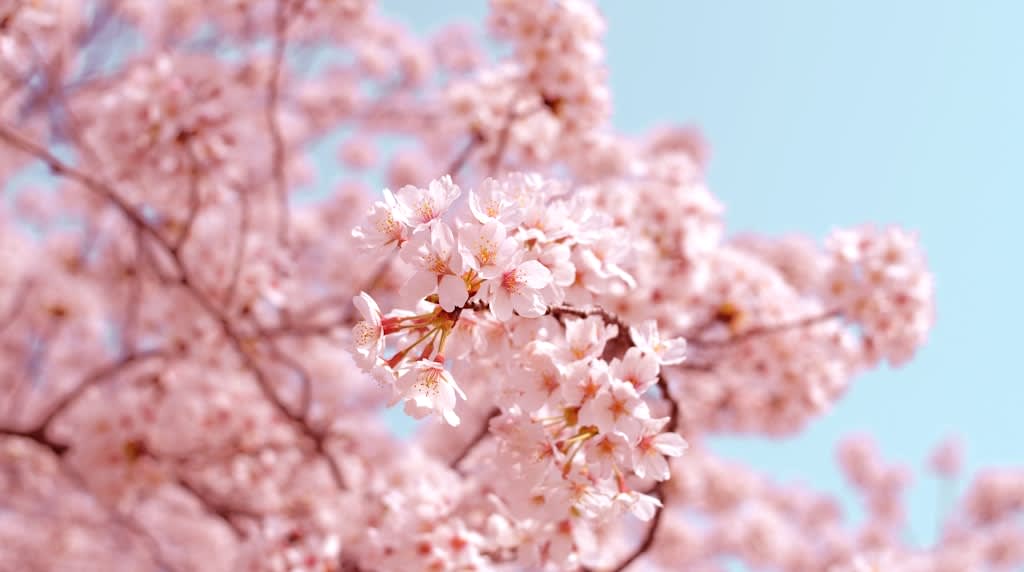
The cherry blossom season lasts roughly one week. Seven days. Sometimes less, if the wind picks up or the rain comes early. For a country that could have chosen any flower as its cultural symbol — the chrysanthemum is actually the imperial seal — Japan chose the one that barely hangs on.
That's not an accident. That's a philosophy.
Mono no Aware: The Beauty of Vanishing Things
The concept is called mono no aware, and it's one of the most important ideas in Japanese culture that almost nobody outside Japan actually understands.
Literally translated, it means something like "the pathos of things" or "the sadness of being." But that translation is misleading. Mono no aware isn't sadness in the way Westerners typically understand it — it's the bittersweet ache you feel when you're holding something beautiful and you know, in your bones, that it won't last.
Why Hanami Is Not a Picnic
When Japanese people gather under cherry trees for hanami (flower-viewing), tourists often see it as a picnic. And yes, there's absolutely food and alcohol involved.
But the tradition stretches back over a thousand years to the Heian period, when aristocrats would compose poetry under the blossoms, meditating on impermanence. The falling petals were a mirror — reflecting back the truth that everything you love will eventually scatter.
Even today, there's a word for the moment the petals begin to fall: sakura fubuki — cherry blossom blizzard. The Japanese didn't just notice this moment. They named it. They made it the climax, not the tragedy.
The Part Nobody Talks About
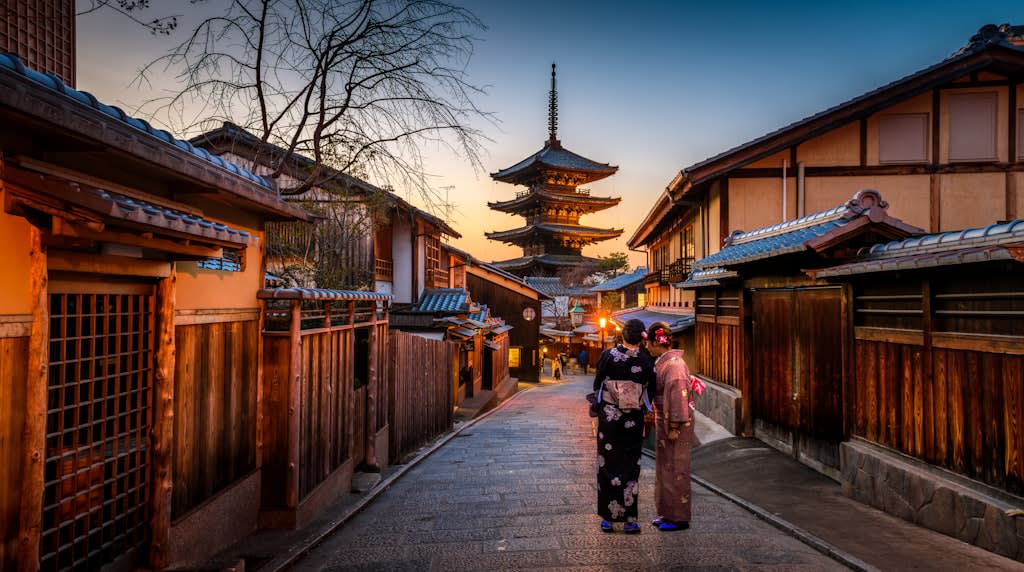
Many Japanese people feel their deepest connection to cherry blossoms not when the trees are in full bloom, but during the days after — when the petals carpet the ground and the rivers turn pink with fallen flowers.
There's a specific term for this too: hanaikada — flower rafts. It describes cherry blossom petals floating downstream in clusters, like tiny boats carrying beauty away from you.
This is the real Japan. Not a country obsessed with perfection, but a culture that found its deepest beauty in the gap between having and losing.
How This Changes Everything
Once you understand mono no aware, Japan starts making sense in ways it didn't before.
Why do Japanese craftspeople spend years perfecting a technique they know will eventually be forgotten? Mono no aware. Why does the tea ceremony treat every gathering as a once-in-a-lifetime event (ichigo ichie)? Mono no aware. Why do Japanese seasons matter so much that there are 72 micro-seasons in the traditional calendar? Because each moment is unrepeatable, and therefore sacred.
What This Means for You
Next time you see cherry blossoms — in Japan or anywhere else — try this: instead of rushing to capture the perfect photo of full bloom, wait. Wait for the wind. Wait for the petals to start falling.
And when they do, put your phone down.
That ache you feel? That mix of joy and loss, beauty and grief? The Japanese have been sitting with that feeling for a thousand years. They didn't try to fix it or avoid it. They decided it was the most beautiful thing in the world.
That's mono no aware. And once you feel it, you'll never see Japan — or anything else — the same way again.