

The deep logic and real costs of Japan's lifetime employment system. How it's breaking down in 2026 and what the world can learn.
Read this article to earn +5 MTC
Why Japanese Companies Have Lifetime Employment — And Whether It's Actually Better
A Foreign Concept That Built an Economy
Western capitalism is built on labor mobility. You take a job, get fired, switch every 2-3 years, climb by jumping. It's normal. It's even considered healthy.
Japanese capitalism is built on the opposite: shushin koyo (lifetime employment) — you join a company at 22, retire from it at 65, and that's the whole arc.
In 2026, this system is changing — but the model still defines roughly 60% of Japanese workers and is one of the most studied management systems in the world.

How Lifetime Employment Actually Works
A typical Japanese worker's career trajectory:
Age 22: Joining the Company
You're hired right out of university along with 100-500 other "new graduates" all on the same April 1st date. You become a "salaryman" or "OL" (office lady).
You spend the first year in rotation through different departments. The company invests heavily in your training.
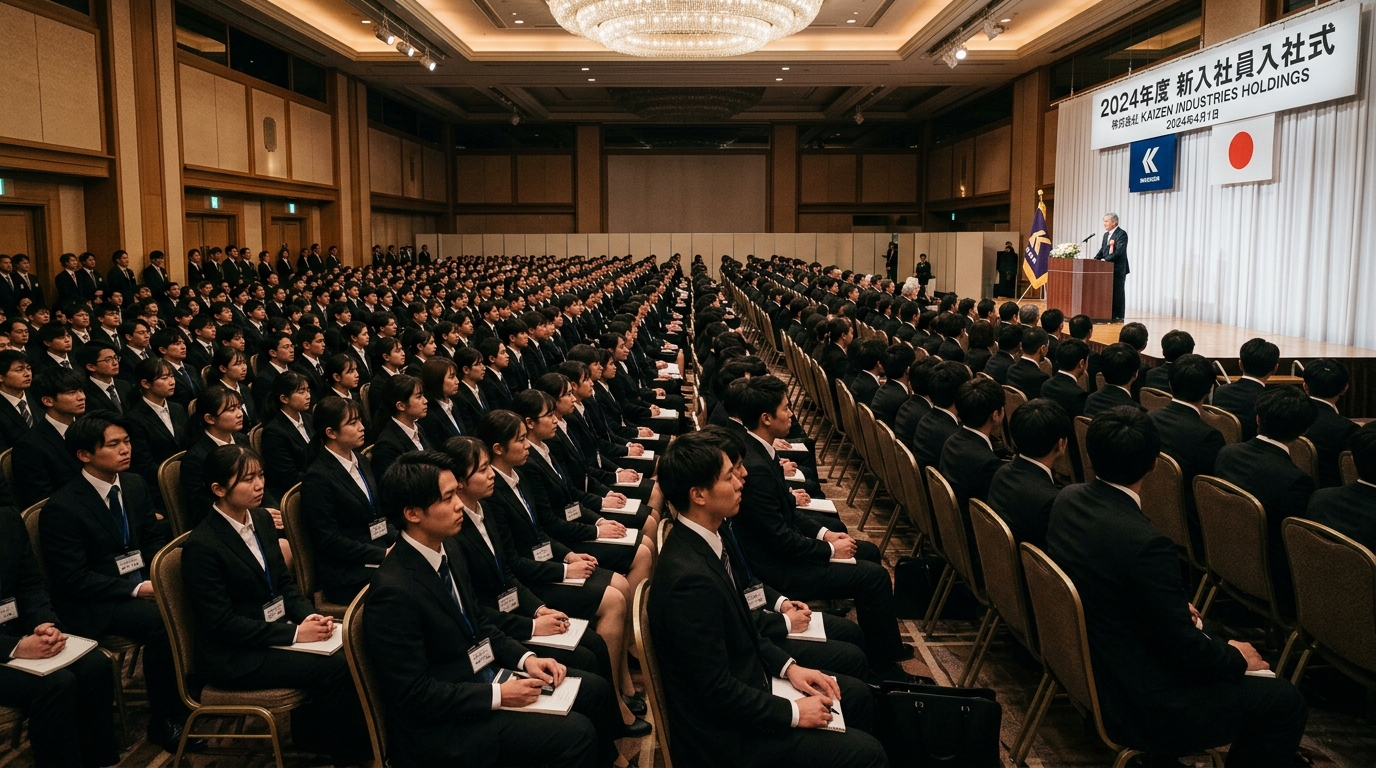
Age 22-30: Apprenticeship
You're paid little (¥3-4M/year). You work 60+ hours weekly. You attend after-work drinks (nominication) almost daily. You're learning the company's culture, methods, relationships.
Age 30-40: Specialization
You start being trusted with bigger projects. Your salary climbs ($5-7M/year). You may be sent overseas. You may marry a colleague.
Age 40-50: Management
You become a manager. Salary $7-10M/year. You're now responsible for younger employees. You're shaping the company.
Age 50-65: Senior Leadership or Retirement
You may rise to executive ranks. Or you may step into less stressful roles. Either way, the company supports you to retirement.
Age 65: Retirement Benefits
You receive lump-sum retirement pay (typically ¥20-50M for senior employees). You leave with deep relationships and a clear sense of having contributed to one entity.
The Hidden Logic of This System
It looks irrational from a Western lens. But it has a deep business logic:
1. Long-Term Investment in People
Companies pour resources into training young workers because they know those workers will stay. A 5-year training investment pays back over 40 years. In Western firms with 2-year retention, training never pays back.
2. Tacit Knowledge Preservation
Companies accumulate "tacit knowledge" — undocumented expertise that lives in people's heads. Lifetime employment preserves this. A 50-year employee at Toyota knows things that exist nowhere in writing.
3. Trust-Based Decision Making
Decisions in Japanese companies require consensus (nemawashi). This works because everyone knows each other deeply. Trust is the precondition.

4. Loyalty Both Ways
The company invests in you, you invest in the company. This bidirectional commitment creates engagement levels Western firms can't match.
5. Risk Sharing
In economic downturns, Japanese companies cut bonuses, freeze promotions, reduce hours — but rarely fire. The pain is shared. This sustains social stability.
The Real Costs of Lifetime Employment
It's not all good. The costs are significant:
1. Innovation Slowness
When promotion is by seniority, young talent is suppressed. Brilliant 28-year-olds wait 15 years to lead. Many leave for foreign firms or startups.
2. Excessive Hours
Lifetime employment creates pressure to "show face." Workers stay late not for productivity but for visibility. Average overtime: 20+ hours weekly unpaid.
3. Suppressed Mobility
Workers stuck in declining companies can't leave easily — they'd lose seniority, retirement, network. Bad companies survive longer than they should.
4. Risk Aversion
Why innovate if there's no upside (you stay), and there's downside (you fail)? Japanese companies are notoriously slow to take risks.

5. The Female Trap
The system was designed assuming women would be housewives. Women who leave to have children can't easily return. Female labor participation suffers.
How It's Changing in 2026
Lifetime employment is breaking down. Trends from 2025-2026:
1. Mid-Career Hiring Booms
For the first time in Japan's history, mid-career hiring exceeds new graduate hiring at major companies. The "join at 22, stay forever" model is ending for the next generation.
2. Gen Z Rejects It
Surveys show 70% of Japanese Gen Z workers expect to change jobs 2-4 times. They don't want lifetime employment. The cultural attractor is gone.
3. Foreign Companies Flooding In
Google Japan, Amazon Japan, and Goldman Sachs Japan offer 2x the salary of Japanese firms — and only require 5-7 year commitments. They're poaching Japan's best talent.
4. Startup Boom
Japan's startup scene is finally vibrant. Smart 28-year-olds increasingly choose startups over Toyota. The system can't compete with equity upside.
Is Lifetime Employment Better? The Verdict
It depends on what you optimize for:
Lifetime employment WINS if you optimize for:
- Stability of employment (no firing)
- Deep institutional knowledge
- Long-term thinking
- Worker loyalty and engagement
- Social cohesion
Western model WINS if you optimize for:
- Innovation speed
- Personal career growth
- Risk-taking
- Mobility for talent
- Adaptability to change
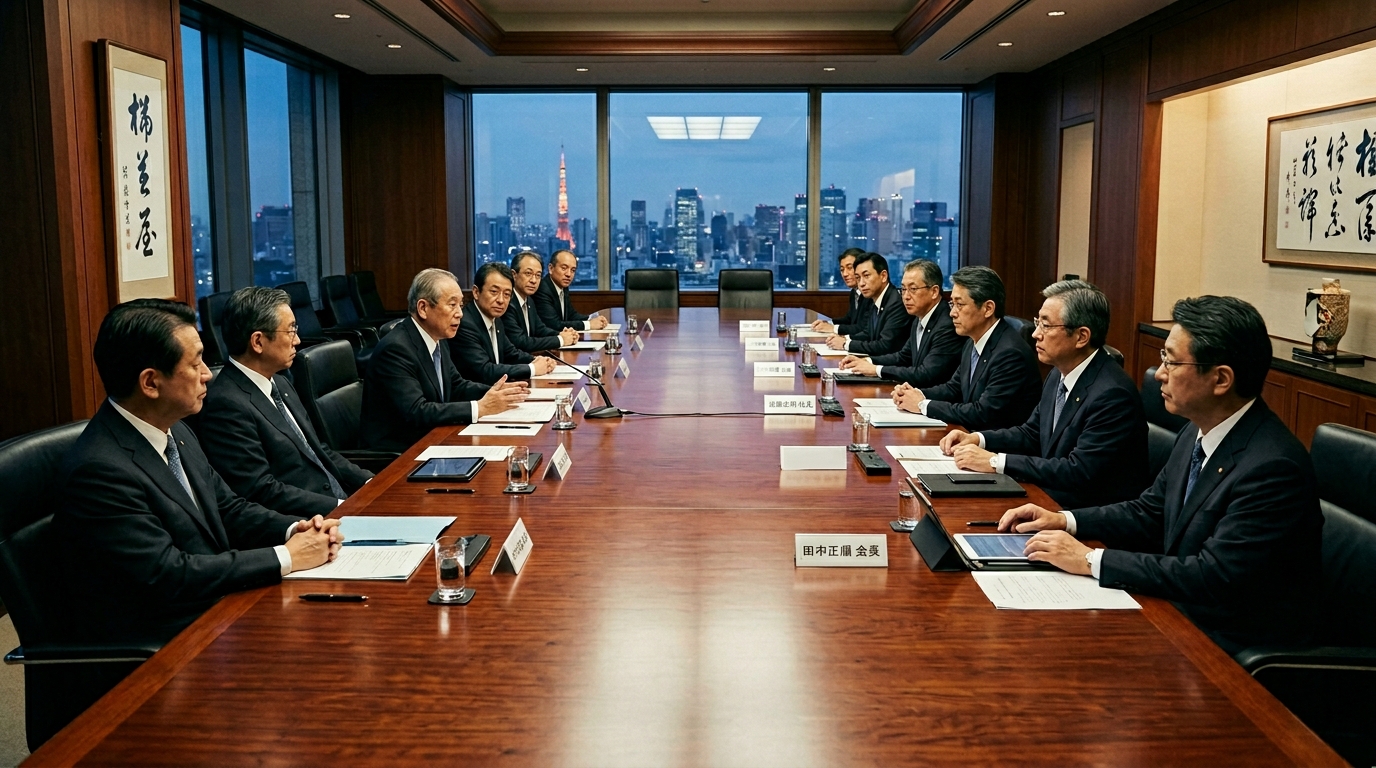
Japan is gradually moving toward a hybrid: stability + flexibility, lifetime employment + mid-career hiring, deep training + agility.
What the World Can Learn
Even as Japan moves away from full lifetime employment, the principles remain valuable:
- Invest in people — they pay back over decades
- Preserve tacit knowledge — culture matters more than processes
- Build trust — it's the prerequisite for everything else
- Share economic risk — workers and companies are partners
- Think long-term — quarterly earnings hide the real game
The next 10 years will show whether Japan can preserve the strengths of lifetime employment while shedding its weaknesses. If it succeeds, the model could become a global template.
If you ever wondered why Japanese companies behave so differently — now you know. It's not just culture. It's the 5-decade contract every worker signs at age 22, and the deep social engineering that makes it work.