J-Times Editorial
J-Times 編集部 / J-Times Editorial Team
Sumo stables practise early in the morning outside tournament and tour periods, and you need the stable's permission to watch. Here is when to go, how to get in, and how to behave (as of 2 Oct 2026).
Read this article to earn +5 MTC
How to watch sumo morning practice at a Tokyo stable
Short answer (as of 2026-10-02): Sumo stables train early in the morning, and only on days with no tournament or regional tour. You can watch only with the stable's permission, so go through a stable that publishes open viewing or through an official tour. Never just turn up.
Disclosure: J-Times and Matsuri are both operated by Jon&Coo Inc. Matsuri has no sumo-stable visit you can book (checked 2 October 2026). This guide relies on the Japan Sumo Association, GO TOKYO, and the tourism associations of Sumida and Chuo cities.
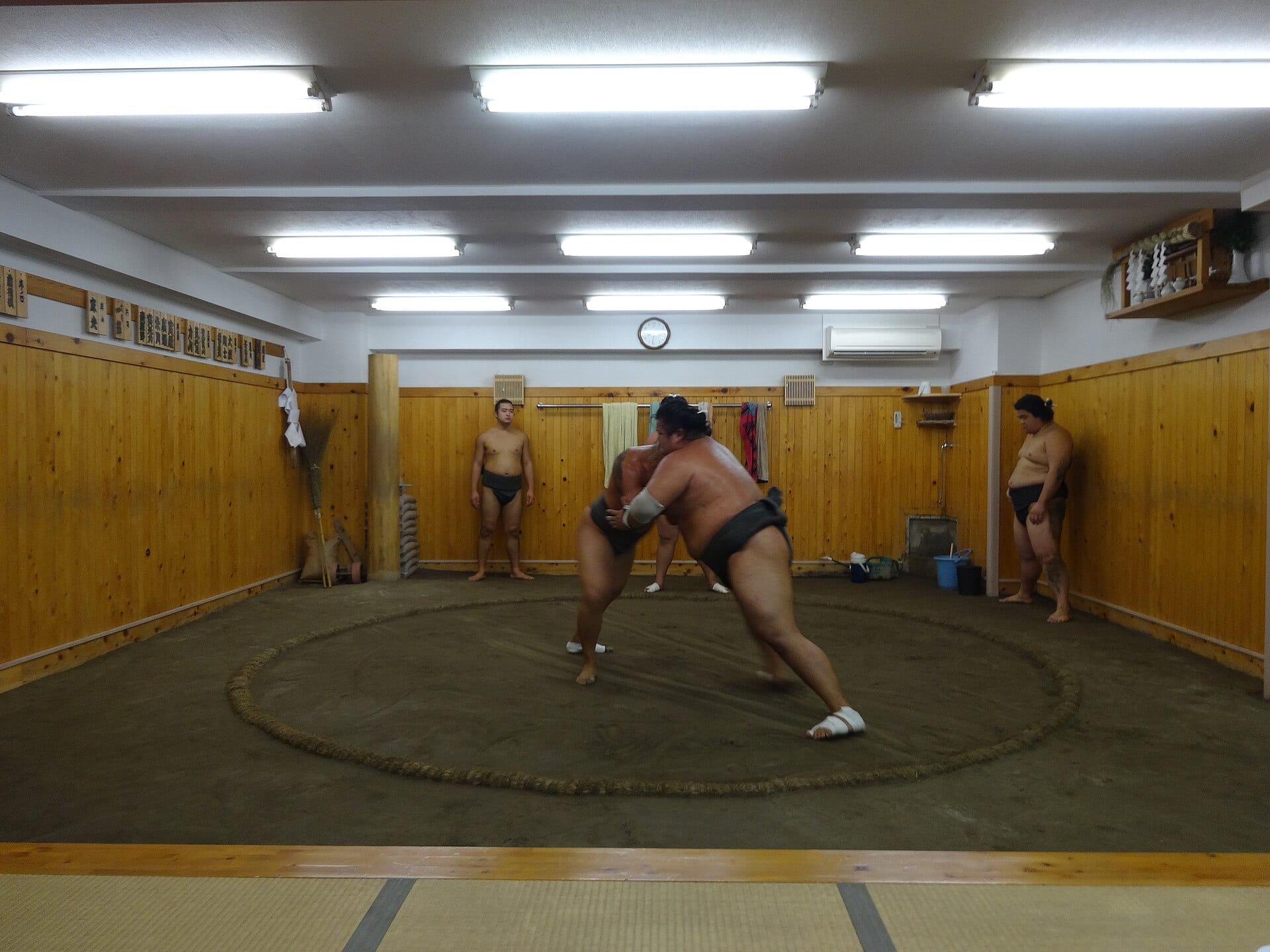
Watching asa-geiko (morning practice) is one of the most memorable things a visitor can do in Tokyo. You sit a few metres from wrestlers who are slamming into each other on a clay ring, in a room so quiet you can hear them breathe. It is also easy to get wrong. A sumo stable (heya or beya) is not a tourist attraction. It is a home and a training hall, and the wrestlers there are working. This guide explains when practice actually happens, the ways in that exist in autumn 2026, how to behave once you are inside, and what is true about chanko, the famous sumo hotpot.
What is sumo morning practice?
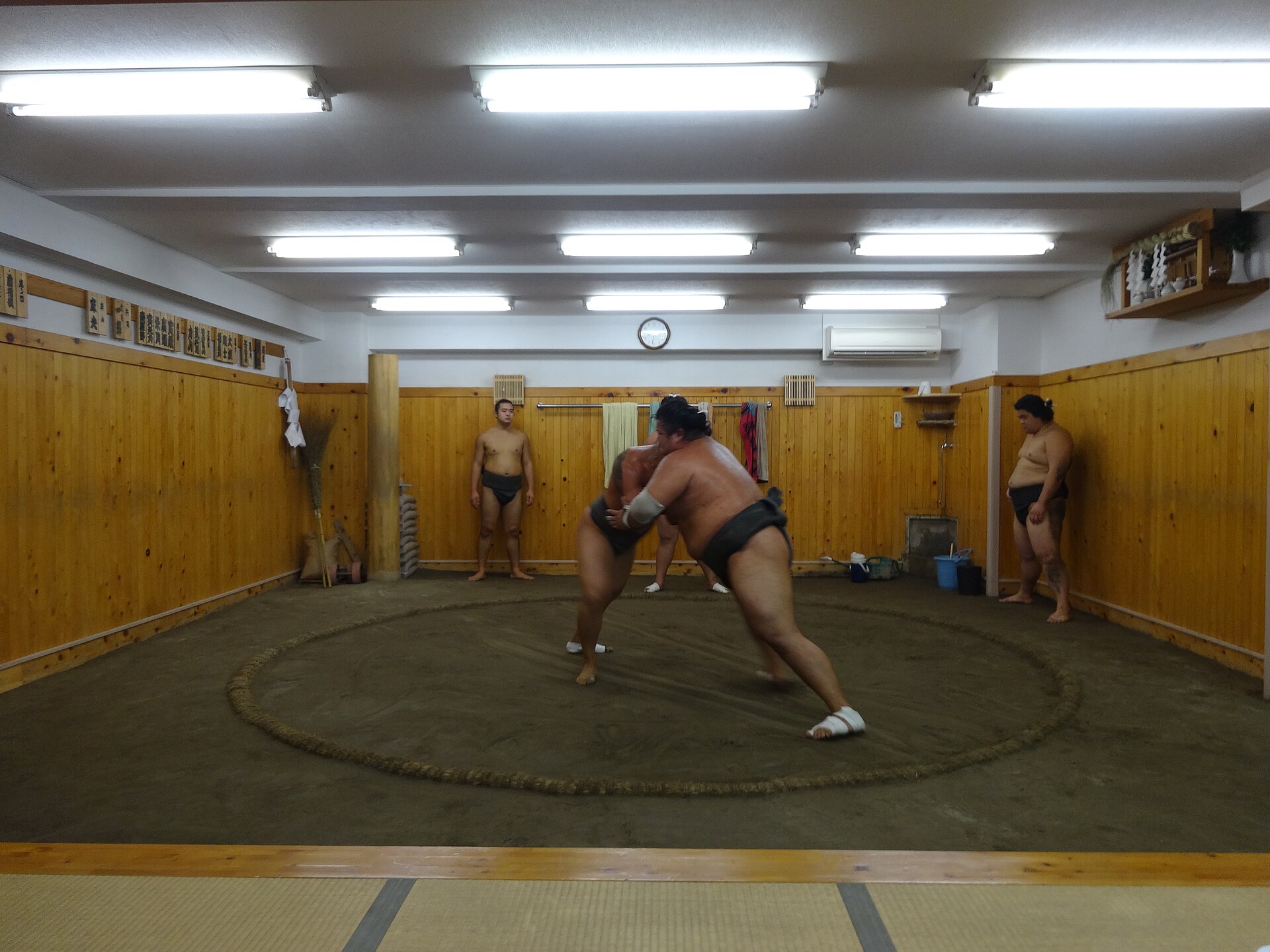
Morning practice is the daily training session that every sumo stable holds before the wrestlers eat their first meal of the day.
A sumo stable is a training establishment run by a retired wrestler who holds elder (toshiyori) status in the Japan Sumo Association, and every professional wrestler must belong to one, as Japanese dictionaries define it. New recruits apply through a stable, according to the association. The Japan Sumo Association's directory lists 45 stables (checked 2 October 2026). Many of them are clustered near the Ryōgoku Kokugikan arena in Tokyo, often in plain buildings on side streets, as both the Japan National Tourism Organization (JNTO) and GO TOKYO, the Tokyo Metropolitan Government's official travel site, point out.
The Heibonsha World Encyclopedia explains that wrestlers skip breakfast so they can train in the morning, and then live on two meals a day. The Chuo City Tourism Association describes the same routine: training begins without breakfast, and after individual warm-ups come two kinds of practice bouts. Sanban-geiko is a long run of bouts between two evenly matched wrestlers. In mōshiai-geiko, the winner stays in the ring and picks his next opponent. The session ends with butsukari-geiko, a gruelling pushing drill.
Start times vary from stable to stable. GO TOKYO's Japanese-language page says practice that visitors can watch starts around 6:30 a.m. Arashio stable says it practises from about 7:30 a.m., and the Sumida City Tourism Association's guidance for travel agents gives a viewing slot of 8:00 to 10:00 a.m.
When is there no practice to watch?
There is no practice to watch during the six grand tournaments, during the regional tours, or while a stable is away for a tournament outside Tokyo.
GO TOKYO states that you can watch only outside the grand tournament periods. The Sumida City Tourism Association, which arranges stable visits, excludes all of these from its calendar: the Tokyo tournaments in January, May and September; the regional tournaments in March, July and November; every day from the 20th of the month before a regional tournament; and the New Year holidays. During away tournaments, stables train away from Tokyo. Arashio stable's own site, for example, describes its quarters at a shrine in Sakai during the Osaka tournament.
The Japan Sumo Association's 2026 calendar:
| Tournament | Venue | Dates |
|---|---|---|
| January | Ryōgoku Kokugikan, Tokyo | 11–25 January 2026 |
| March | EDION Arena Osaka | 8–22 March 2026 |
| May | Ryōgoku Kokugikan, Tokyo | 10–24 May 2026 |
| July | IG Arena, Nagoya | 12–26 July 2026 |
| September | Ryōgoku Kokugikan, Tokyo | 13–27 September 2026 |
| November | Fukuoka Kokusai Center | 8–22 November 2026 |
| January 2027 | Ryōgoku Kokugikan, Tokyo | 10–24 January 2027 |
| March 2027 | EDION Arena Osaka | 14–28 March 2027 |
Regional tours (jungyō) travel in April, August, October and December. The 2026 autumn tour runs from 6 to 25 October, starting in Tsukuba and ending in Ube. The winter tour runs from 29 November to 20 December, from Amakusa to Uruma in Okinawa. For the rest of 2026, the realistic windows for a Tokyo stable visit are short, so check the stable's own calendar or the tour operator's dates before you plan around one.
Can you just walk into a sumo stable?
No. Casual, unannounced visits are not welcome. You need the stable's permission, which usually comes through a published viewing policy or an organised tour.
JNTO puts it plainly: "casual, spontaneous visits are not encouraged", although some travel agencies arrange tours for small groups. GO TOKYO's Ryōgoku page says some stables allow viewing, but "strict conditions apply" and you need to do your own research first. Policies differ from stable to stable, and no single list covers them all.
There is also a recent complication. On 11 April 2026, Kodansha's news site Gendai Business reported that the Japan Sumo Association had told stables to refrain from practice-viewing tours run with travel agencies, after concerns about over-commercialisation. We could not find a notice about this among the announcements on the association's website (checked 2 October 2026). Treat it as a report, but expect fewer tours and more cancellations than in past years.
What ways in exist right now?
As of 2 October 2026, three routes are verifiable: a stable that publishes open viewing, a tour run by a city tourism association, and practice sessions that the Japan Sumo Association itself opens to the public.
- Window viewing at Arashio stable (Nihonbashi-Hamachō, Chuo City). The stable's official site says you can watch its daily practice free of charge, with no reservation, from about 7:30 to 9:00 a.m. You watch from outside through the large windows, not inside. Practice can be cancelled at short notice, so the stable asks you to check its online calendar instead of calling. It also asks visitors to stay quiet, use no flash, avoid eating and drinking, and not sit on neighbours' steps. Its Japanese page notes that visitors of any gender are welcome.
- The Chuo City Tourism Association tour at Arashio stable. The association sells a guided tour on its official shop that seats you inside the stable behind a glass wall, with live commentary through an audio guide. On 2 October 2026 the booking page showed dates on 6, 7, 8 and 14 October 2026. Children under 11 cannot join. Bookings close 7 days ahead.
- Sumida City Tourism Association. The association has run English-guided practice tours in the past, for example on 14 December 2024, through its booking site a day in SUMIDA. On 2 October 2026 the site's sumo-stable category showed no plans available.
- Practice the Japan Sumo Association opens itself. On 1 May 2026 the association opened the Yokozuna Deliberation Council's practice review (keiko sōken) at the Kokugikan to the public, with free entry from 8:00 a.m. Regional tour days also open with early-morning practice that ticket holders can watch. The 2026 autumn tour's first stops near Tokyo are Tsukuba (6 October), Ebina (7 October), Sayama (8 October) and Chichibu (9 October).
Commercial operators also sell stable tours online. We have not listed them, because we could not confirm their arrangements with the stables against a primary source.
What is the etiquette inside a stable?
Stay silent, sit on the floor without stretching your legs out, keep your phone silent and your flash off, don't eat or drink, and don't come and go during practice.
These rules come from the two tourism associations and from Arashio stable. They overlap almost completely:
- Silence. GO TOKYO asks you to keep conversations to a whisper and turn devices off. Sumida's tour rules say you may not talk to wrestlers during practice.
- How to sit. You sit on the floor. There are no chairs. Sumida's rules allow cross-legged, seiza (kneeling), or knees up, but not legs stretched out. The floor is tatami or wood, and you take your shoes off (see our guide to why Japanese people take their shoes off).
- Photos. No flash anywhere. Chuo City's tour bans video and asks you to mute the shutter sound. Rules vary, so ask before you raise a camera.
- No food or drink, inside the stable or, at Arashio, on the street outside.
- Hats and sunglasses off when you enter (Chuo City).
- Arrival and leaving. Use the toilet before you go in. You cannot leave your seat during practice (Chuo City), and once you leave you may not re-enter (Sumida).
- What to wear. No beach sandals, shorts or revealing clothes, and no perfume (Sumida). Jeans are fine.
For the wider picture, see our guide to Japanese etiquette.
Do visitors get to eat chanko at the stable?
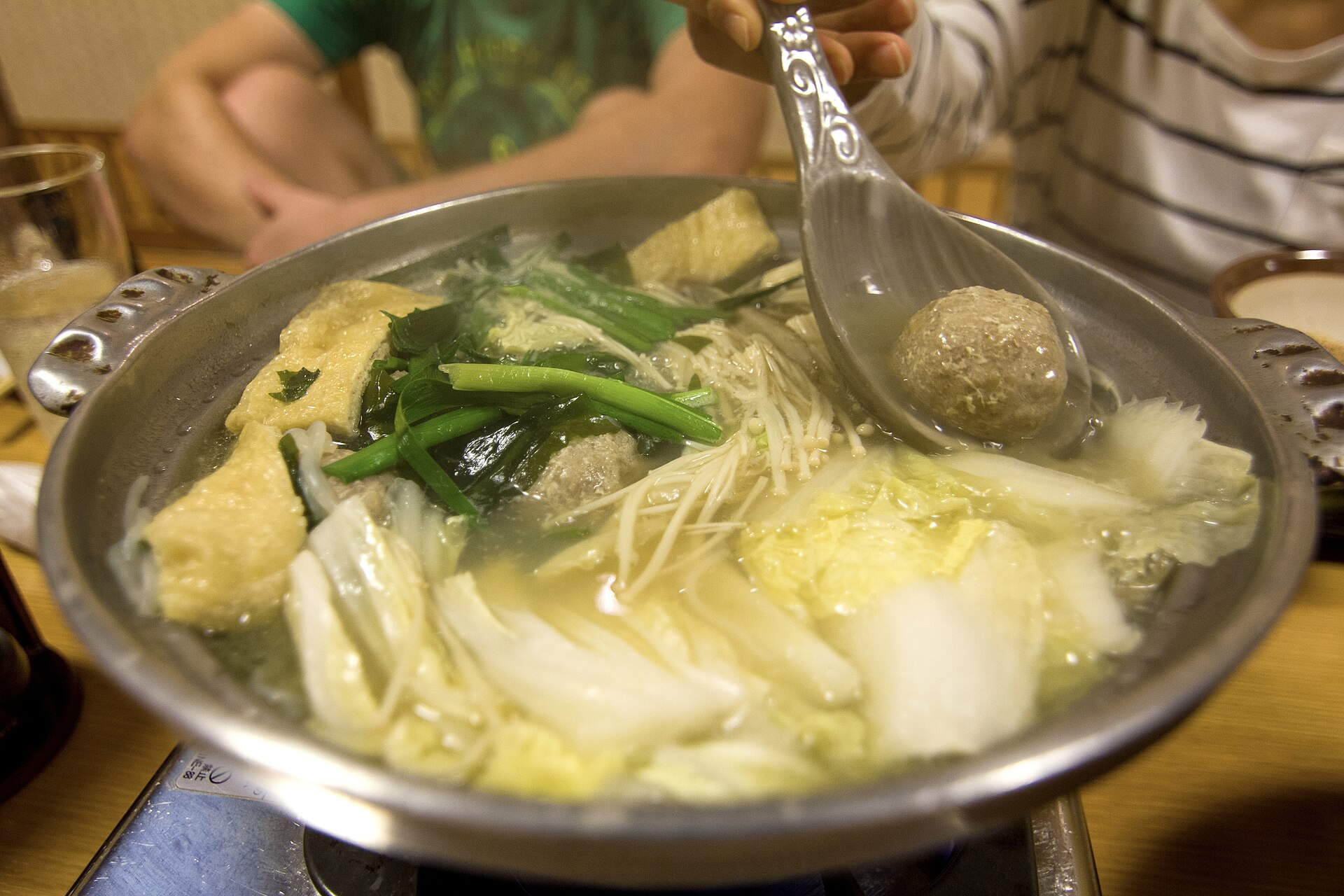
Usually not. Chanko is the wrestlers' own meal. A few private tours arrange it, but the normal way to try it is at a chanko restaurant in Ryōgoku.
Chanko is the name for the food that wrestlers cook for themselves in the stable. According to the Heibonsha World Encyclopedia, the word originally meant the hotpot, but it has come to cover every meal made in a stable. Junior wrestlers take turns on cooking duty. A typical pot is a chicken-broth soppu-daki seasoned with soy sauce, full of chicken, cabbage, potatoes, daikon and carrots.
Eating with the wrestlers is the exception. The Sumida City Tourism Association lists a chanko meal only as an option "by consultation". JNTO describes it as something a private tour can include. Both JNTO and GO TOKYO point visitors to the chanko restaurants around the Kokugikan, and the Sumida City Tourism Association publishes a Ryōgoku chanko map.
What else is there to do in Ryōgoku?
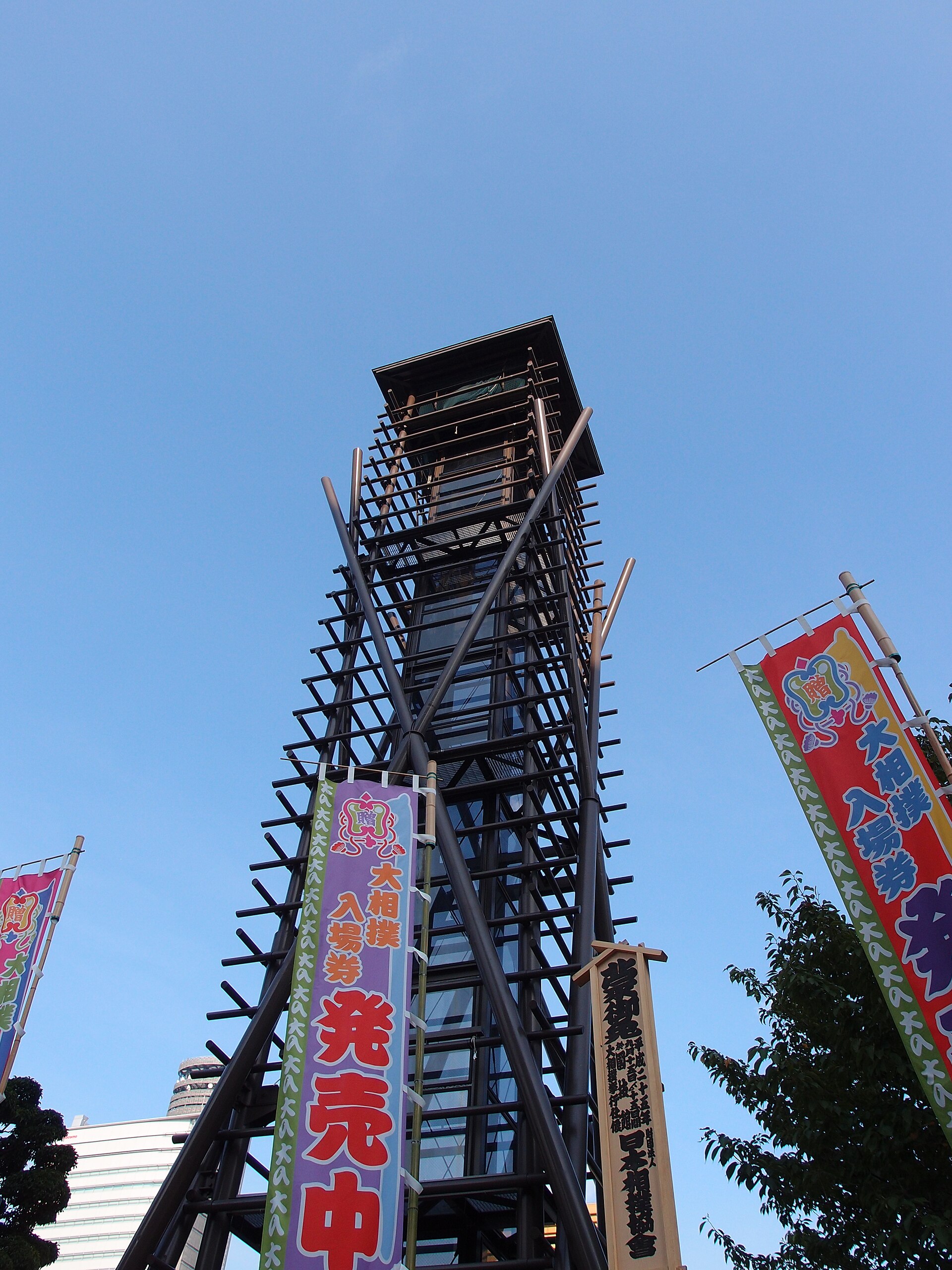
The Kokugikan, which holds the three Tokyo tournaments, is two minutes' walk from the west exit of JR Ryōgoku Station. Its free Sumo Museum is open on weekdays.
The Japan Sumo Association's museum page gives the details. The museum on the Kokugikan's first floor is open 10:00 a.m. to 4:30 p.m. (last entry 4:00 p.m.). It is closed on Saturdays, Sundays, national holidays (with some exceptions) and over the New Year. Entry is free, except during Tokyo tournaments, when you need a sumo ticket. GO TOKYO notes that wrestlers often walk the streets around the arena, and that the area also has the Sumida Hokusai Museum and the Edo-Tokyo Museum, which reopened on 31 March 2026.
Can you book a sumo stable visit on Matsuri?
No. As of 2 October 2026, Matsuri has no sumo-stable experience with bookable dates.
In 2026, Matsuri hosted a crowdfunding project built around a morning-practice visit in Ryōgoku with a chanko lunch. Its funding period ended on 30 September 2026 and the project did not reach its goal, so its page now shows it as closed. For sumo in particular, use the routes above. For guided walks, meetups and classes in Tokyo, our Matsuri feature explains what you can book there now.
The Matsuri feature
- What is Matsuri? A screen-by-screen guide: the hub for this feature, covering what is listed, how prices are shown, and which listings have open dates.
Sources and dates checked
- Japan Sumo Association, 2026 and 2027 grand tournament schedule (English) — https://www.sumo.or.jp/EnTicket/year_schedule/ (checked 2026-10-02; primary)
- Japan Sumo Association, 本場所の年間日程表 (Japanese) — https://www.sumo.or.jp/Admission/schedule/ (checked 2026-10-02; primary)
- Japan Sumo Association, 2026 regional tour schedule — https://www.sumo.or.jp/Jungyo/schedule_2026/ and https://www.sumo.or.jp/EnJungyo/schedule/ (checked 2026-10-02; primary)
- Japan Sumo Association, "A day at Jungyo" (tours in April, August, October, December; morning training) — https://www.sumo.or.jp/EnJungyo/aday/ (checked 2026-10-02; primary)
- Japan Sumo Association, stable directory (45 stables) — https://www.sumo.or.jp/ResultRikishiData/sumo_beya/ (checked 2026-10-02; primary)
- Japan Sumo Association, notice on the public keiko sōken of 1 May 2026 — https://www.sumo.or.jp/IrohaKyokaiInformation/detail?id=746 (checked 2026-10-02; primary)
- Japan Sumo Association, notices list — https://www.sumo.or.jp/IrohaKyokaiInformation/wrap/ (checked 2026-10-02 for any notice on stable tours; none found)
- Japan Sumo Association, Sumo Museum (hours, admission, access) — https://www.sumo.or.jp/KokugikanSumoMuseum/overview/ and https://www.sumo.or.jp/EnSumoMuseum/ (checked 2026-10-02; primary)
- Arashio stable, official practice-viewing pages (Japanese and English) — https://arashio.net/tour.html and https://arashio.net/tour_e.html, and site top https://arashio.net/ (checked 2026-10-02; primary)
- Chuo City Tourism Association, "Sumo Morning Practice Tour in Arashio Stable" (official shop) — https://ippin-do.chuocity.tokyo/products/202403211001?variant=44668655632576 (checked 2026-10-02; primary)
- Sumida City Tourism Association, "Sumo Morning Practice Tour with English-speaking Guide" (14 Dec 2024) — https://visit-sumida.jp/2024/11/07/9291/ (checked 2026-10-02)
- Sumida City Tourism Association, a day in SUMIDA, sumo-stable category — https://visit-sumida.jp/exp_genre/exp-sumo/ (checked 2026-10-02: no plans available)
- Sumida City Tourism Association, stable-visit tariff for travel agents (Nov 2025; excluded dates, dress code, chanko by consultation) — https://visit-sumida.jp/cms/wp-content/uploads/2025/11/%E5%A2%A8%E7%94%B0%E5%8C%BA%E3%82%BF%E3%83%AA%E3%83%95_-%E7%9B%B8%E6%92%B2%E9%83%A8%E5%B1%8B%E7%A8%BD%E5%8F%A4%E8%A6%8B%E5%AD%A6_202511.pdf (checked 2026-10-02)
- Sumida City Tourism Association, Ryōgoku chanko map — https://visit-sumida.jp/ebook/chankoresmap/pageindices/index1.html (checked 2026-10-02)
- GO TOKYO (Tokyo Metropolitan Government), "Enjoy Tokyo in the early morning" — https://www.gotokyo.org/en/see-and-do/morning/index.html and Japanese edition https://www.gotokyo.org/jp/see-and-do/morning/index.html (checked 2026-10-02)
- GO TOKYO, "Ryogoku – the center of sumo" — https://www.gotokyo.org/en/destinations/eastern-tokyo/ryogoku/index.html (checked 2026-10-02)
- JNTO, "Experience Sumo" — https://www.japan.travel/en/guide/experience-sumo/ (checked 2026-10-02)
- JNTO, "Watch Sumo Wrestling Practice" — https://www.japan.travel/en/luxury/detail/watch-sumo-wrestling-practice/ (checked 2026-10-02)
- Kotobank, "相撲部屋" (Digital Daijisen; Nihon Kokugo Daijiten) — https://kotobank.jp/word/%E7%9B%B8%E6%92%B2%E9%83%A8%E5%B1%8B-85075 (checked 2026-10-02)
- Japan Sumo Association, 新弟子検査・入門 (applications go through a stable) — https://www.sumo.or.jp/IrohaKnowledge/nyumon/ (checked 2026-10-02; primary)
- Kotobank, "ちゃんこ料理" (Heibonsha World Encyclopedia, Ikeda Masao) — https://kotobank.jp/word/%E3%81%A1%E3%82%84%E3%82%93%E3%81%93%E6%96%99%E7%90%86-3159109 (checked 2026-10-02)
- Gendai Business (Kodansha), report on the Japan Sumo Association's request to stables about practice-viewing tours, 11 April 2026 — https://gendai.media/articles/-/166082 (checked 2026-10-02; secondary, single source)
- Matsuri, public API and campaign page for the 2026 Ryōgoku crowdfunding project (status only; no amounts used) — checked 2026-10-02
Written by the J-Times Editorial Team. Facts current as of 2026-10-02.
Featured image: amanderson2 / Wikimedia Commons / CC BY 2.0 (https://commons.wikimedia.org/wiki/File:Practice_at_Arashio_Stable_2014-08-05.jpg)
Written by
J-Times Editorial
J-Times 編集部 / J-Times Editorial Team